
Custom Manufacturing, Project Outsourcing, your Trusted Partner from China
In the stringent world of pharmaceutical manufacturing, the purity and quality of every component are paramount, especially for intermediates used in the synthesis of Active Pharmaceutical Ingredients (APIs). Acetamide, N-[6,9-dihydro-9-[[2-hydroxy-1-(hydroxymethyl)ethoxy]methyl]-6-oxo-1H- purin-2-yl]-, bearing the CAS number 84245-12-5, is one such critical fine chemical. Its reliable sourcing and consistent quality are non-negotiable for drug developers and manufacturers.
The journey of a pharmaceutical intermediate begins with its synthesis and continues through rigorous quality control (QC) processes before it reaches the end-user. For compounds like Acetamide CAS 84245-12-5, which is typically supplied as a 'White powder' with a '≥99%' purity, these QC measures are designed to detect and quantify any potential impurities. Common analytical techniques employed include High-Performance Liquid Chromatography (HPLC), Gas Chromatography (GC), Mass Spectrometry (MS), and Nuclear Magnetic Resonance (NMR) spectroscopy.
A reputable pharmaceutical intermediate manufacturer will implement comprehensive QC protocols at every stage of production. This begins with the sourcing of raw materials, ensuring they meet predefined quality standards. During synthesis, in-process controls monitor reaction progress and identify potential deviations. Post-synthesis, the final product undergoes extensive testing to confirm its identity, purity, and compliance with specified parameters. For example, a supplier advertising 'CAS 84245-12-5 for APIs' must be able to provide documentation, such as a Certificate of Analysis (CoA), detailing these test results.
The appearance of the material is often the first indicator of quality. For Acetamide, N-[6,9-dihydro-9-[[2-hydroxy-1-(hydroxymethyl)ethoxy]methyl]-6-oxo-1H- purin-2-yl]-, a consistent 'White powder' form suggests uniformity and absence of gross contamination. However, visual inspection is only a preliminary step. The true measure of quality lies in its chemical purity and the absence of harmful impurities that could impact the downstream API synthesis or the final drug's safety profile.
When engaging with a pharmaceutical intermediate supplier, especially from regions like China where large-scale manufacturing capabilities exist, it's essential to inquire about their QC procedures. Key questions to ask include: What analytical methods are used? What is the typical impurity profile? What is the retest period or shelf life? Are they ISO certified?
By prioritizing suppliers who demonstrate a strong commitment to quality control and transparency, pharmaceutical companies can ensure that the intermediates they buy, such as Acetamide CAS 84245-12-5, meet the highest standards. This not only safeguards the integrity of the drug development process but also contributes to the production of safe and effective medicines for patients worldwide.
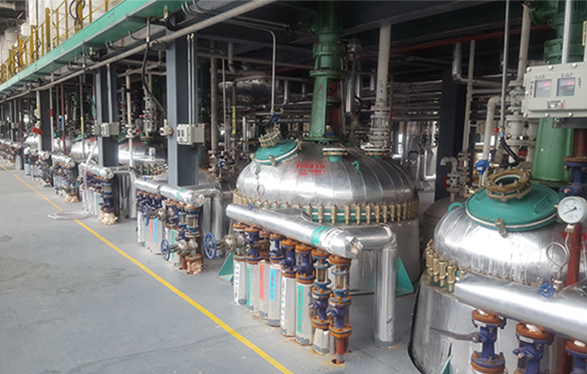
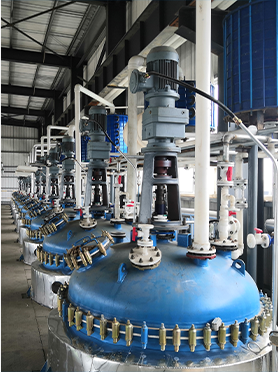
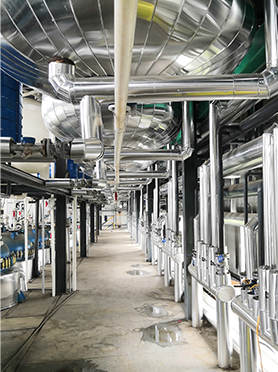
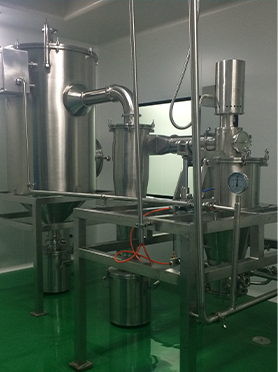
Manufacturing Facilities
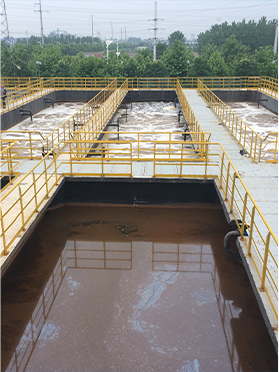
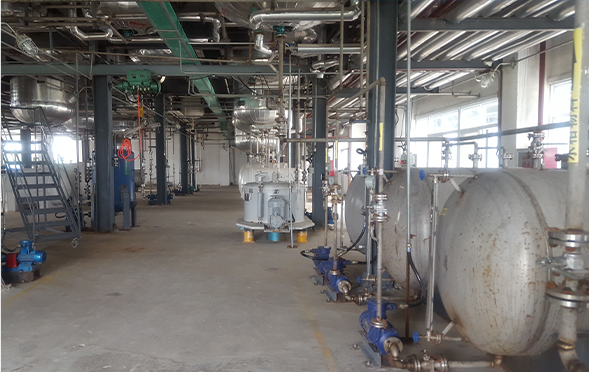
Professional Export Experience
to Global Customers
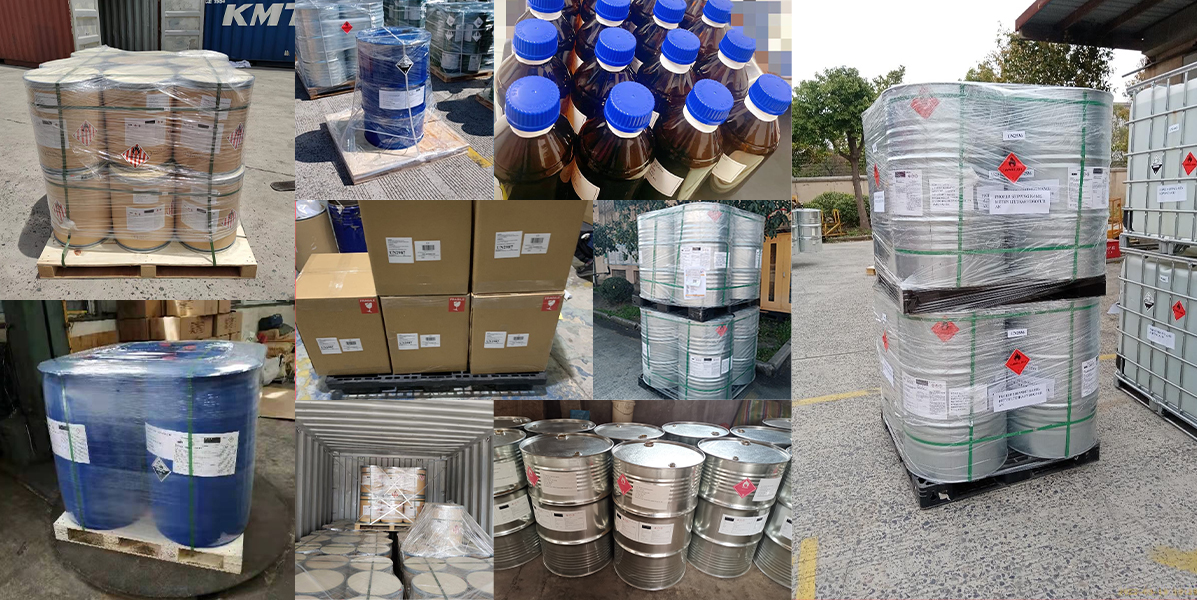
1. 20 years of R&D, manufacturing and sales experience, serving customers in 60 countries and regions around the world;
2. Own R&D laboratory, pilot platform and large-scale production workshop, which can meet the audit requirements of global customers;
3. We can satisfy customers' perfect transition from small scale lab requirements (gram level) to commercialization requirements (hundred tons level).
A: We don't have Minimum Order Quantity, exact quantity should be provided before quotation for us to calculate the exact cost.
A: We don't provide free samples due to lots of request and expensive international courier's cost, we can deduct the sample charge after commercial order placed.
A: Our payment terms: Small or sample order: T/T IN ADVANCE. Commercial order: First order should be by T/T IN ADVANCE or L/C at sight, and following orders T/T 30~90days is acceptable subject to approval of credit application.