
Custom Manufacturing, Project Outsourcing, your Trusted Partner from China
The pharmaceutical industry operates under the strictest quality controls, where the integrity of every component, from the final API to the intermediate raw materials, is non-negotiable. For a compound like (1S)-3-(dimethylamino)-1-(2-thienyl)propan-1-ol,(2S)-2-hydroxy-2-phenylacetic acid (CAS 287737-72-8), its role as a precursor to widely used drugs like Duloxetine places immense responsibility on its manufacturers. Ensuring the highest quality of this intermediate is paramount for drug safety and efficacy.
Manufacturers producing CAS 287737-72-8 for pharmaceutical applications must adhere to a rigorous set of standards. These typically begin with the selection of high-grade raw materials and extend through every stage of the synthesis process. Key quality parameters for this intermediate include: chemical purity, enantiomeric purity (enantiomeric excess or ee%), residual solvent levels, heavy metal content, and microbial limits. For a chiral intermediate, maintaining the correct stereochemistry is of utmost importance, as incorrect enantiomers can be inactive or even harmful.
Advanced analytical techniques are indispensable tools for manufacturers. High-Performance Liquid Chromatography (HPLC) is commonly used to determine chemical purity and enantiomeric purity. Gas Chromatography (GC) is employed to quantify residual solvents, ensuring they are within acceptable limits as defined by regulatory guidelines such as ICH (International Council for Harmonisation). Spectroscopic methods like Nuclear Magnetic Resonance (NMR) and Mass Spectrometry (MS) are crucial for confirming the molecular structure and identity of the compound.
Reputable suppliers, such as NINGBO INNO PHARMCHEM CO.,LTD., invest heavily in robust quality management systems. These often include ISO certifications and adherence to Good Manufacturing Practices (GMP) principles, even for intermediates. GMP ensures that products are consistently produced and controlled according to quality standards appropriate to their intended use. For buyers, requesting Certificates of Analysis (CoA) for each batch is standard practice. The CoA should detail all relevant specifications and the analytical results obtained for that specific lot.
When considering purchasing (1S)-3-(dimethylamino)-1-(2-thienyl)propan-1-ol,(2S)-2-hydroxy-2-phenylacetic acid, pharmaceutical companies should seek manufacturers who are transparent about their quality control procedures and regulatory compliance. This due diligence is a critical step in the procurement process, ensuring that the intermediates used contribute positively to the quality and safety of the final pharmaceutical product. Partnering with manufacturers dedicated to quality assurance provides peace of mind and strengthens the supply chain for vital medicines.
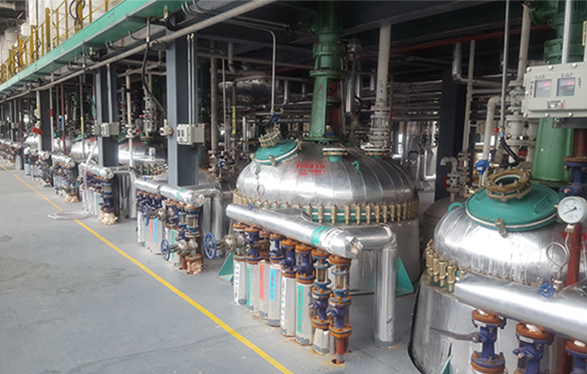
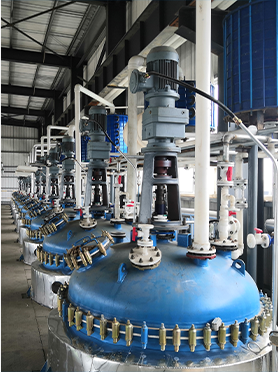
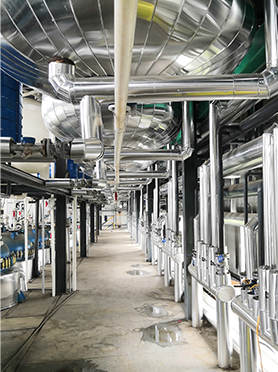
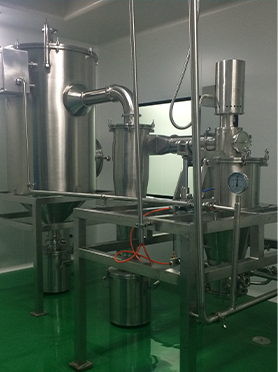
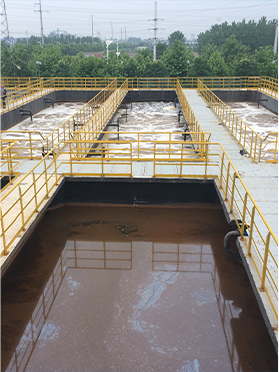
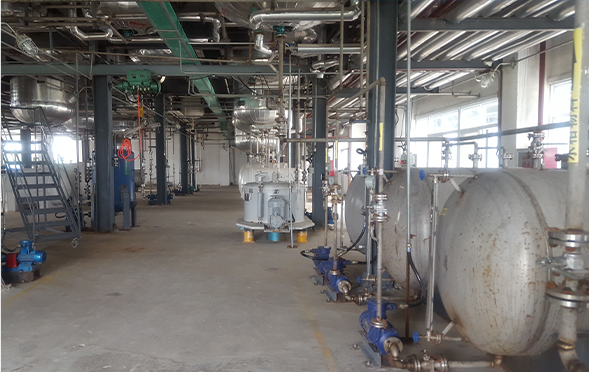
Manufacturing Facilities
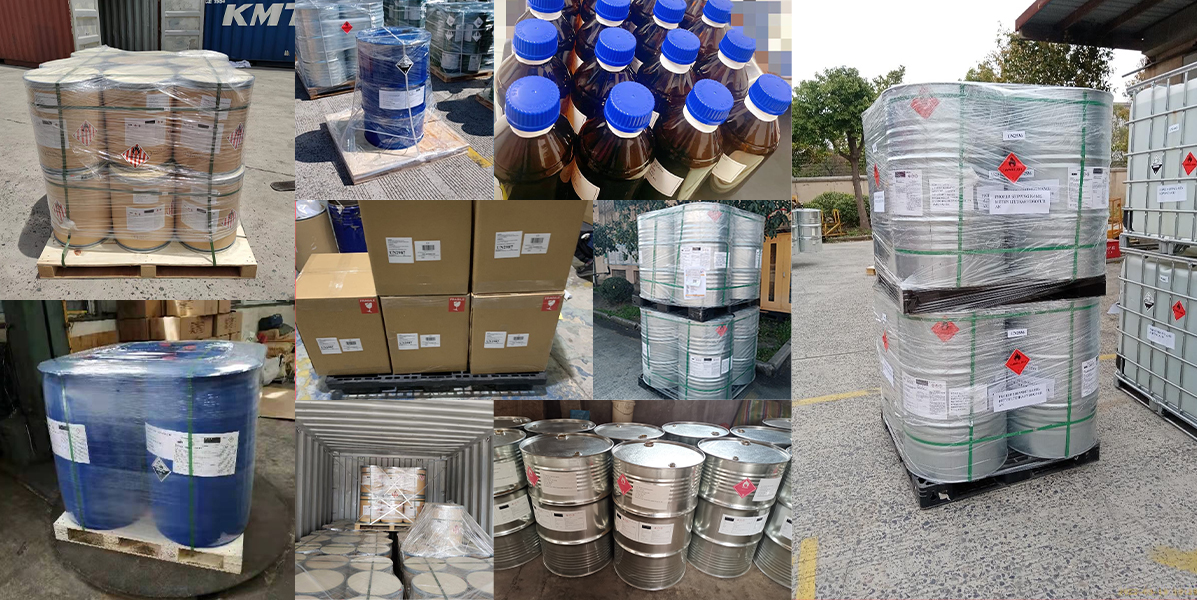
Professional Export Experience
to Global Customers
1. 20 years of R&D, manufacturing and sales experience, serving customers in 60 countries and regions around the world;
2. Own R&D laboratory, pilot platform and large-scale production workshop, which can meet the audit requirements of global customers;
3. We can satisfy customers' perfect transition from small scale lab requirements (gram level) to commercialization requirements (hundred tons level).
A: We don't have Minimum Order Quantity, exact quantity should be provided before quotation for us to calculate the exact cost.
A: We don't provide free samples due to lots of request and expensive international courier's cost, we can deduct the sample charge after commercial order placed.
A: Our payment terms: Small or sample order: T/T IN ADVANCE. Commercial order: First order should be by T/T IN ADVANCE or L/C at sight, and following orders T/T 30~90days is acceptable subject to approval of credit application.