
Custom Manufacturing, Project Outsourcing, your Trusted Partner from China
In an era increasingly focused on environmental responsibility and sustainable product development, the chemical industry is under pressure to innovate and offer safer alternatives. Flame retardants, essential for preventing fires and enhancing product safety, have historically relied on halogenated compounds. However, growing concerns about the environmental persistence, bioaccumulation, and toxic byproducts of halogenated flame retardants have spurred a shift towards halogen-free alternatives. Isopropylated Triaryl Phosphate (IPPP) stands as a prime example of an effective halogen-free flame retardant, offering significant environmental benefits. This article will delve into these advantages and the broader implications for sustainable manufacturing.
The Problem with Halogenated Flame Retardants
For decades, brominated and chlorinated flame retardants were the go-to solution for imparting fire resistance to materials like plastics, textiles, and electronics. However, scientific research has revealed several drawbacks:
The increasing awareness of these issues has led to regulatory action, such as the phasing out of certain brominated diphenyl ethers (PBDEs) under international conventions. This has created a strong market demand for safer, more sustainable alternatives.
The Advantages of IPPP as a Halogen-Free Solution
Isopropylated Triaryl Phosphate (IPPP), with CAS number 68937-41-7, offers a compelling alternative, providing effective flame retardancy without the associated environmental and health liabilities of halogenated compounds. Its benefits include:
Broader Impact on Industry and Consumers
The adoption of halogen-free flame retardants like IPPP has a cascading positive effect across industries and for consumers:
Choosing a Sustainable Supplier
When sourcing IPPP, selecting manufacturers and suppliers who prioritize environmental responsibility is essential. Companies that have transparent production processes, adhere to environmental standards, and can provide detailed product stewardship information contribute to a more sustainable supply chain. Sourcing from reputable China manufacturers often means partnering with companies that are investing in cleaner production technologies and meeting international environmental certifications.
Conclusion
The transition to halogen-free flame retardants like Isopropylated Triaryl Phosphate (IPPP) is a vital step towards a more sustainable and safer future. By offering effective fire protection without the environmental persistence and toxicity concerns associated with halogenated compounds, IPPP enables manufacturers to produce superior products while minimizing their ecological footprint. Embracing these greener alternatives is not just a compliance measure but a proactive commitment to environmental stewardship and enhanced product safety for the benefit of all.
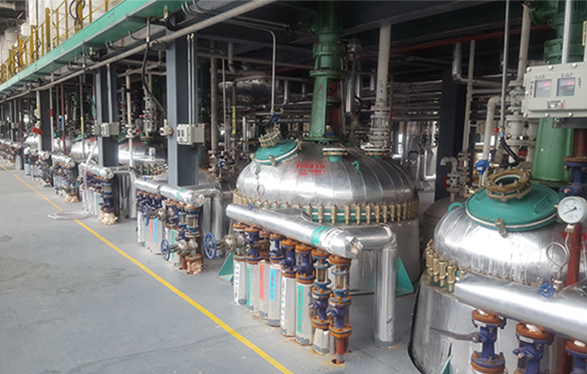
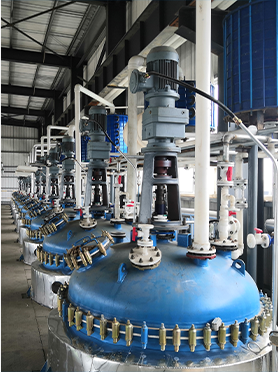
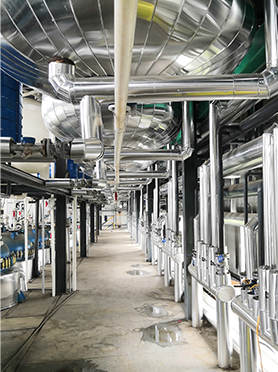
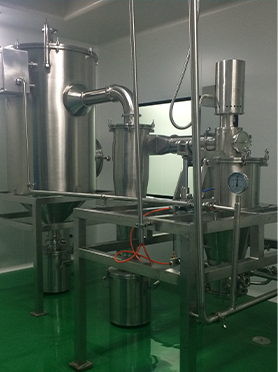
Manufacturing Facilities
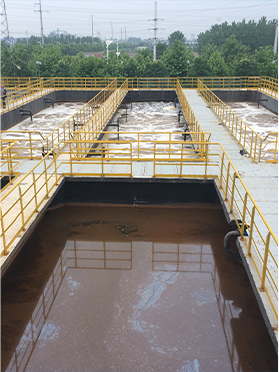
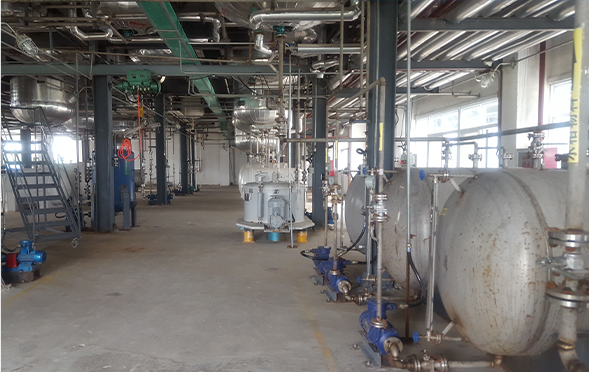
Professional Export Experience
to Global Customers
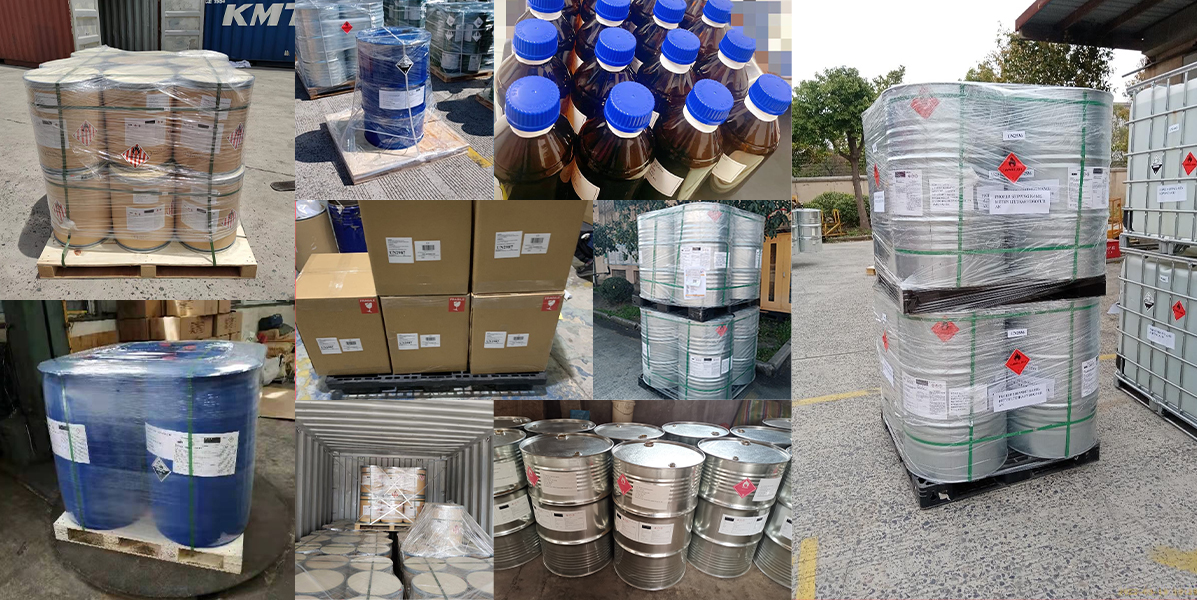
1. 20 years of R&D, manufacturing and sales experience, serving customers in 60 countries and regions around the world;
2. Own R&D laboratory, pilot platform and large-scale production workshop, which can meet the audit requirements of global customers;
3. We can satisfy customers' perfect transition from small scale lab requirements (gram level) to commercialization requirements (hundred tons level).
A: We don't have Minimum Order Quantity, exact quantity should be provided before quotation for us to calculate the exact cost.
A: We don't provide free samples due to lots of request and expensive international courier's cost, we can deduct the sample charge after commercial order placed.
A: Our payment terms: Small or sample order: T/T IN ADVANCE. Commercial order: First order should be by T/T IN ADVANCE or L/C at sight, and following orders T/T 30~90days is acceptable subject to approval of credit application.