Custom Manufacturing, Project Outsourcing, your Trusted Partner from China
The extensive use of synthetic dyes like Basic Orange 14 in industries, particularly textiles, raises significant environmental concerns regarding their release into aquatic ecosystems. Understanding the environmental fate of Basic Orange 14, including its ecotoxicity and the difficulties in its remediation, is crucial for developing effective pollution control strategies and ensuring water quality.
Basic Orange 14, like many synthetic azo dyes, can persist in the environment due to its complex chemical structure, which is often resistant to natural degradation processes. When discharged into water bodies, its high water solubility allows it to be transported over long distances, impacting a wider area. The primary environmental concern is its potential ecotoxicity. Studies on similar reactive dyes have indicated that they can be harmful to aquatic life. The presence of these dyes in water can reduce sunlight penetration, inhibiting photosynthesis in aquatic plants and algae, which disrupts the entire aquatic food web. Furthermore, the breakdown products of azo dyes, such as aromatic amines, can sometimes be more toxic than the parent dye itself, posing risks of genotoxicity and carcinogenicity.
The remediation of wastewater containing Basic Orange 14 presents several challenges. Conventional biological treatment methods, which are effective for many organic pollutants, often struggle with the recalcitrant nature of azo dyes. The azo bond (-N=N-) and the complex aromatic structures make them resistant to microbial breakdown. While anaerobic conditions can facilitate the reductive cleavage of the azo bond, the resulting aromatic amines may require subsequent aerobic treatment for complete mineralization. Even then, achieving complete degradation efficiently can be difficult.
Advanced Oxidation Processes (AOPs), such as photocatalysis and ozonation, offer more potent solutions. These methods generate highly reactive hydroxyl radicals that can effectively break down the dye molecule. However, AOPs can be energy-intensive and may require specific catalysts or chemical agents, which can increase operational costs. Adsorption, using materials like activated carbon or modified agricultural waste, is another viable method, but its effectiveness is dependent on the adsorbent's capacity and the specific interactions with the dye. Regeneration of spent adsorbents also needs to be considered for a sustainable process.
The complexity of dye removal necessitates a multi-pronged approach. Integrating different treatment technologies—for example, a combination of AOP pre-treatment followed by biological degradation or adsorption—can often yield better results. Furthermore, research into the development of novel, cost-effective, and environmentally benign remediation technologies, alongside robust wastewater management practices, is essential. By understanding the full environmental lifecycle of dyes like Basic Orange 14, from their application to their ultimate fate, we can work towards minimizing their impact and preserving our aquatic ecosystems.
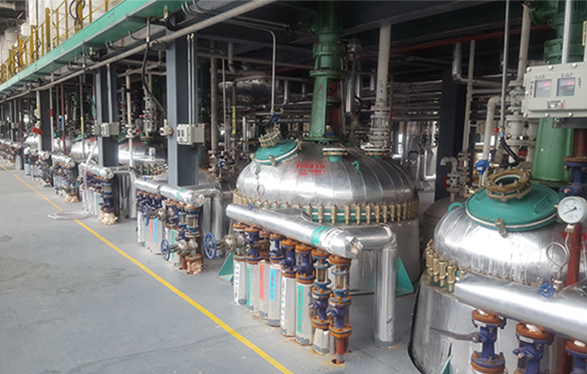
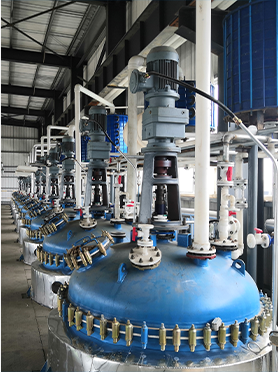
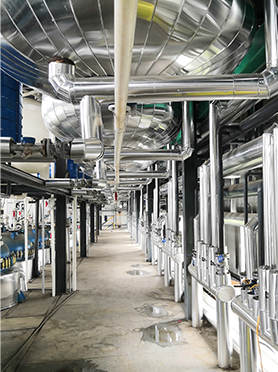
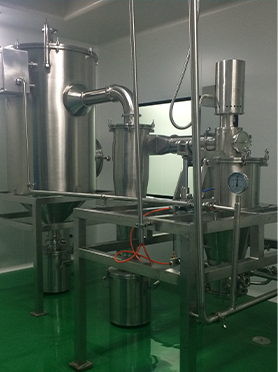
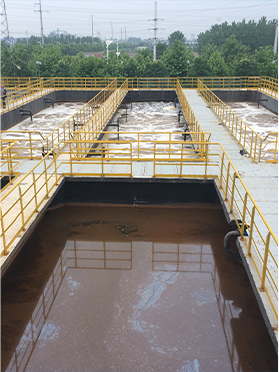
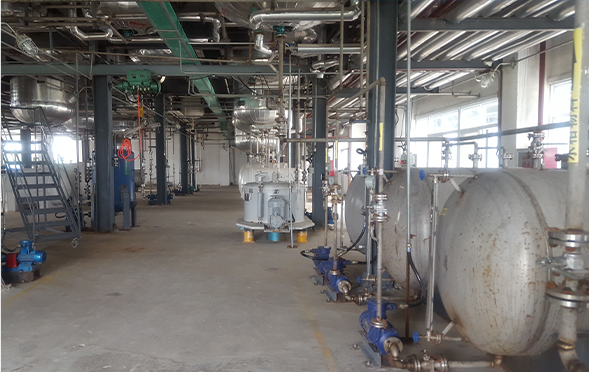
Manufacturing Facilities
Professional Export Experience
to Global Customers
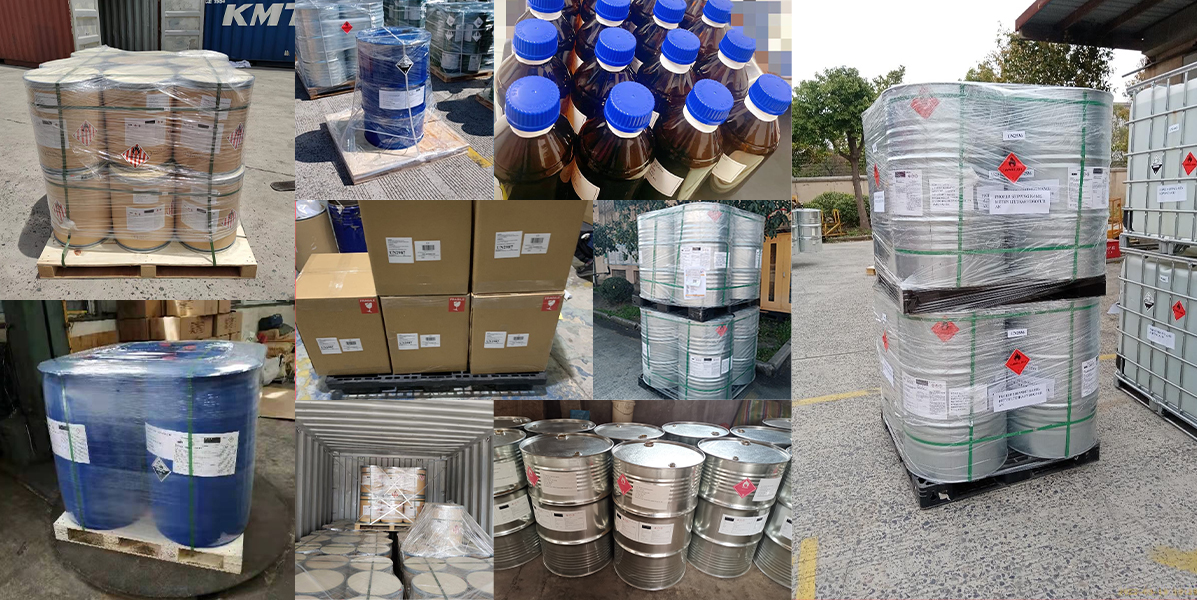
1. 20 years of R&D, manufacturing and sales experience, serving customers in 60 countries and regions around the world;
2. Own R&D laboratory, pilot platform and large-scale production workshop, which can meet the audit requirements of global customers;
3. We can satisfy customers' perfect transition from small scale lab requirements (gram level) to commercialization requirements (hundred tons level).
A: We don't have Minimum Order Quantity, exact quantity should be provided before quotation for us to calculate the exact cost.
A: We don't provide free samples due to lots of request and expensive international courier's cost, we can deduct the sample charge after commercial order placed.
A: Our payment terms: Small or sample order: T/T IN ADVANCE. Commercial order: First order should be by T/T IN ADVANCE or L/C at sight, and following orders T/T 30~90days is acceptable subject to approval of credit application.