
Custom Manufacturing, Project Outsourcing, your Trusted Partner from China
The pursuit of brighter, whiter textiles is a constant in the industry. Optical brighteners (OBAs) are key chemical agents that achieve this, but understanding their environmental and health implications is becoming increasingly important for manufacturers, procurement professionals, and consumers alike. As a responsible chemical supplier, we believe in providing transparency regarding the performance and profile of our products, including Optical Brightener BYB.
How Optical Brighteners Work and Their Common Usage
Optical brighteners, or fluorescent whitening agents (FWAs), function by absorbing ultraviolet light and re-emitting it as visible blue light. This masks yellowing and enhances the perceived whiteness and brightness of fabrics. They are widely used in laundry detergents, paper manufacturing, and crucially, in textile finishing for fibers like cotton and polyamide.
Environmental Considerations: Biodegradability and Aquatic Life
A primary concern with many chemical additives is their impact on the environment, particularly their biodegradability. Many optical brighteners, including certain stilbene derivatives, are known to be slow to biodegrade. This means that after they are released into wastewater streams from manufacturing processes or laundry cycles, they can persist in the environment. Unlike some more advanced chemical intermediates designed for eco-friendliness, traditional OBAs may pass through wastewater treatment plants largely unchanged. This can lead to their accumulation in aquatic ecosystems. Some studies indicate that certain optical brighteners can be acutely toxic to aquatic organisms, posing a risk to fish, invertebrates, and plant life. Manufacturers are increasingly under pressure to develop and utilize OBAs with improved biodegradability profiles to mitigate these risks. When you consider purchasing OBAs, inquiring about their environmental certifications and biodegradability data from your supplier is a responsible step.
Health and Safety Profile: Skin Contact and Long-Term Effects
Optical brighteners are designed to bind to textile fibers, remaining on the fabric even after rinsing to provide a lasting whitening effect. This proximity to skin raises questions about potential health impacts. While specific OBAs vary in their safety profiles, some concerns are frequently cited:
Choosing Responsible Chemical Solutions
As a supplier of textile chemicals like Optical Brightener BYB, we understand the importance of balancing performance with safety and environmental responsibility. While BYB is a highly effective OBA for cotton, we encourage our customers to stay informed about the evolving landscape of chemical safety and sustainability. Research into OBAs is ongoing, with a focus on developing agents that are safer, more biodegradable, and equally effective. When making purchasing decisions, consider the transparency of your supplier regarding product safety data and environmental impact assessments. By choosing well-researched and responsibly manufactured chemicals, the textile industry can continue to deliver bright, attractive products while minimizing its ecological footprint and prioritizing consumer well-being.
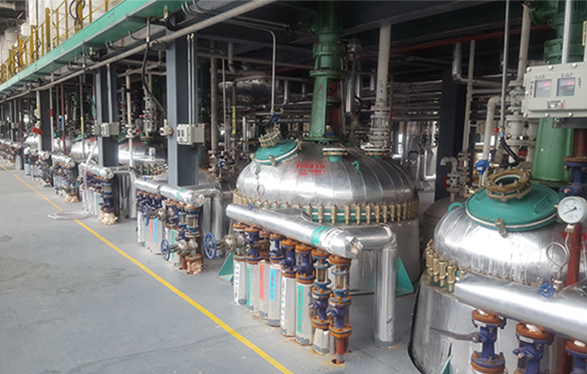
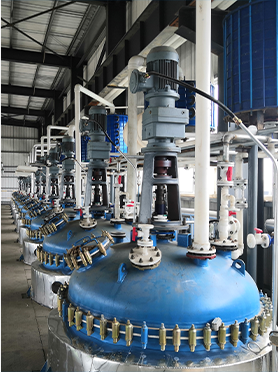
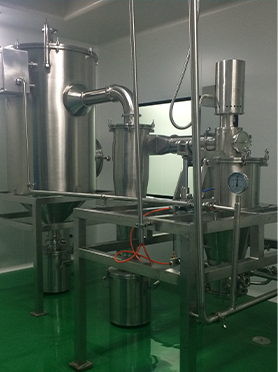
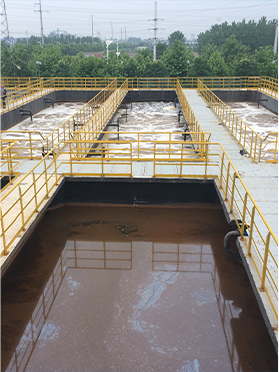
Manufacturing Facilities


Professional Export Experience
to Global Customers
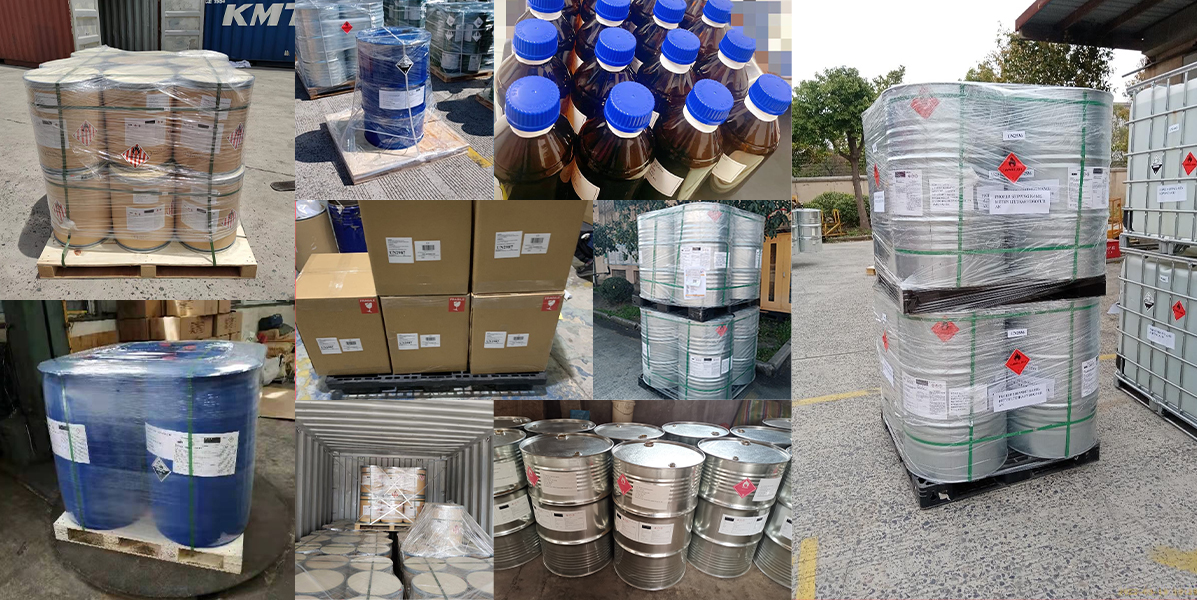
1. 20 years of R&D, manufacturing and sales experience, serving customers in 60 countries and regions around the world;
2. Own R&D laboratory, pilot platform and large-scale production workshop, which can meet the audit requirements of global customers;
3. We can satisfy customers' perfect transition from small scale lab requirements (gram level) to commercialization requirements (hundred tons level).
A: We don't have Minimum Order Quantity, exact quantity should be provided before quotation for us to calculate the exact cost.
A: We don't provide free samples due to lots of request and expensive international courier's cost, we can deduct the sample charge after commercial order placed.
A: Our payment terms: Small or sample order: T/T IN ADVANCE. Commercial order: First order should be by T/T IN ADVANCE or L/C at sight, and following orders T/T 30~90days is acceptable subject to approval of credit application.