
Custom Manufacturing, Project Outsourcing, your Trusted Partner from China
As consumer consciousness around environmental impact grows, the ingredients used in personal care products are under increasing scrutiny. Cocamidopropyl Betaine (CAPB), a widely used surfactant derived from coconut oil, is no exception. Understanding its environmental profile is key for manufacturers committed to sustainability.
Cocamidopropyl Betaine is an amphoteric surfactant that offers excellent cleansing and foaming properties. Its derivation from coconut oil, a renewable resource, initially positions it favorably from a sustainability perspective. However, like many synthetic chemical processes, the production of CAPB involves chemical reactions that require careful management to minimize environmental impact.
One significant aspect of CAPB's environmental profile is its biodegradability. Studies indicate that CAPB is generally biodegradable, meaning it can break down into simpler substances in the environment over time. This is a crucial factor in assessing its ecological footprint, as persistent chemicals can accumulate in water systems and harm aquatic life.
While CAPB itself is considered biodegradable, there are ongoing discussions regarding potential environmental concerns, particularly related to its manufacturing by-products and its impact on aquatic ecosystems. Some research suggests that certain impurities present in CAPB can be toxic to aquatic organisms. However, the industry is continuously working towards developing higher purity grades of CAPB with reduced levels of these impurities, thereby mitigating potential environmental risks.
Furthermore, the overall sustainability of personal care products also depends on the entire lifecycle, including sourcing of raw materials and manufacturing processes. Responsible sourcing of coconut oil and efficient manufacturing practices are vital to ensure that CAPB contributes positively to eco-friendly formulations.
For manufacturers aiming to create sustainable personal care products, choosing high-quality, rigorously tested CAPB from responsible suppliers is paramount. It's about balancing the ingredient's functional benefits with its environmental impact. As a supplier dedicated to supporting our clients with both effective and conscientious ingredients, we are committed to providing transparency regarding the sourcing and quality of our Cocamidopropyl Betaine. By making informed choices about ingredients, the personal care industry can continue to innovate while prioritizing environmental well-being.
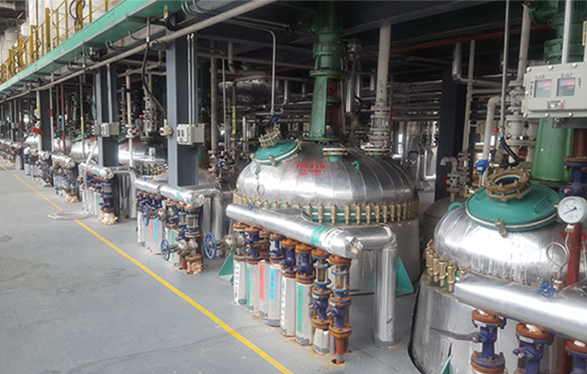
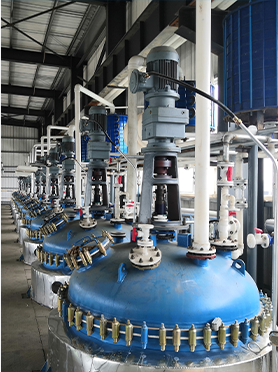
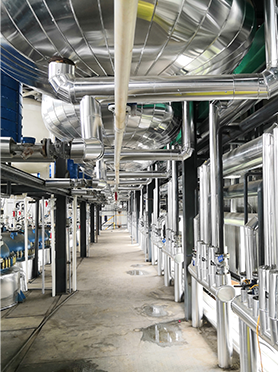
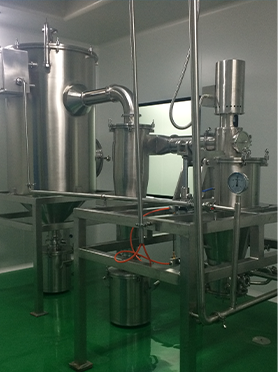
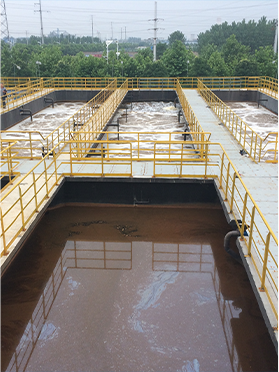
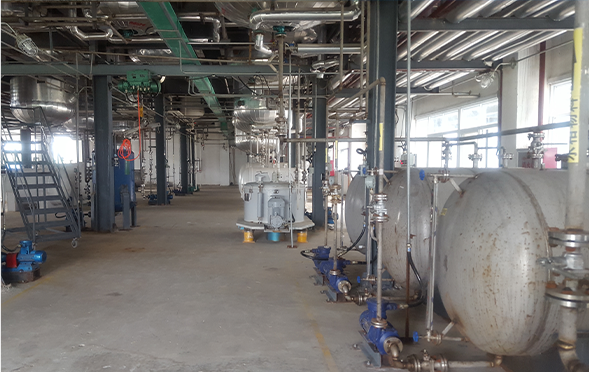
Manufacturing Facilities
Professional Export Experience
to Global Customers
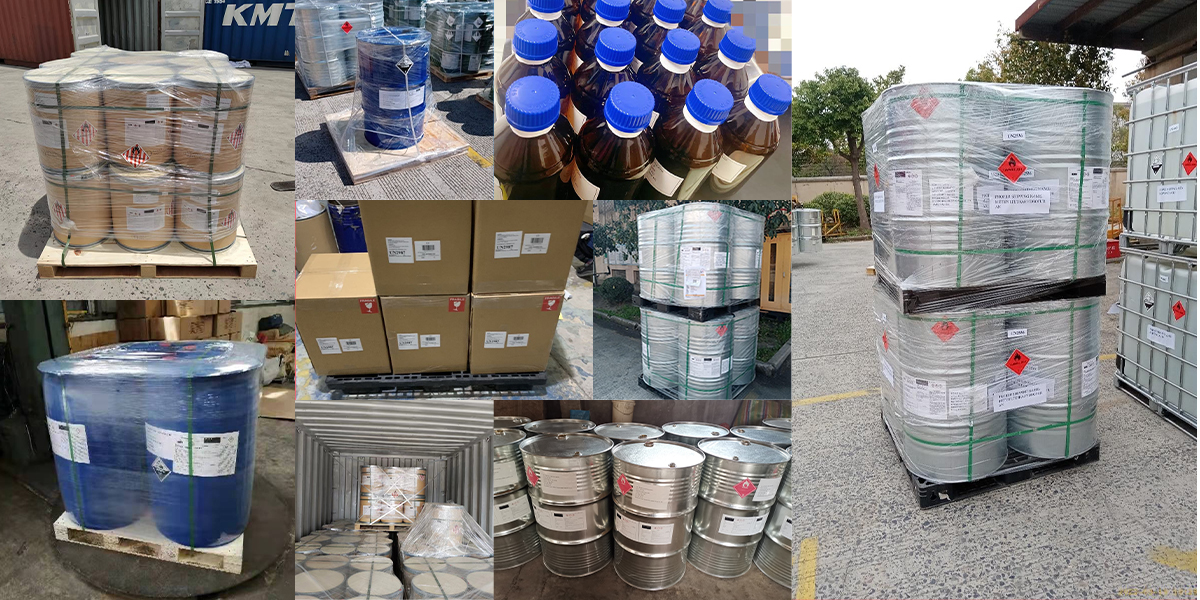
1. 20 years of R&D, manufacturing and sales experience, serving customers in 60 countries and regions around the world;
2. Own R&D laboratory, pilot platform and large-scale production workshop, which can meet the audit requirements of global customers;
3. We can satisfy customers' perfect transition from small scale lab requirements (gram level) to commercialization requirements (hundred tons level).
A: We don't have Minimum Order Quantity, exact quantity should be provided before quotation for us to calculate the exact cost.
A: We don't provide free samples due to lots of request and expensive international courier's cost, we can deduct the sample charge after commercial order placed.
A: Our payment terms: Small or sample order: T/T IN ADVANCE. Commercial order: First order should be by T/T IN ADVANCE or L/C at sight, and following orders T/T 30~90days is acceptable subject to approval of credit application.