
Custom Manufacturing, Project Outsourcing, your Trusted Partner from China
The global chemical industry operates on a complex web of interconnected supply chains, where fundamental raw materials form the basis for countless downstream products. Among these vital materials, Ethylene (CAS 74-85-1) holds a preeminent position. As a foundational petrochemical, its availability and price significantly influence a vast array of manufacturing sectors. This article explores the critical role of Ethylene in the chemical industry supply chain, highlighting its journey from production to its indispensable applications.
At the upstream end of the Ethylene supply chain are the cracking processes that convert hydrocarbon feedstocks into this essential olefin. The primary methods involve steam cracking of naphtha, gas oil, or ethane, sourced primarily from crude oil refining and natural gas extraction. The efficiency and cost-effectiveness of these upstream processes directly impact the price and availability of Ethylene. Manufacturers in this segment focus on optimizing cracker yields, managing feedstock costs, and ensuring operational reliability. The competitive landscape at this stage often involves large-scale integrated petrochemical companies with significant capital investment in cracking facilities.
Ethylene then enters the midstream segment of the supply chain, where it is transported, often via pipelines, to downstream derivative producers. The purity of the Ethylene is a critical quality parameter at this stage, as it directly affects the efficiency and quality of subsequent chemical reactions. Suppliers must ensure consistent product quality, often meeting stringent specifications for polymerization and synthesis reactions.
The downstream applications of Ethylene are incredibly diverse and form the backbone of numerous industries. The most significant consumer is the polymer sector, where Ethylene is polymerized to create polyethylene (PE). PE finds its way into an enormous range of products, from flexible packaging films and rigid containers to pipes and coatings. Manufacturers of these PE products rely on a stable and high-quality Ethylene supply chain to meet consumer and industrial demand.
Another major downstream pathway involves the production of ethylene oxide and ethylene glycol. Ethylene oxide serves as an intermediate for surfactants, detergents, and other chemicals. Ethylene glycol is a key component in antifreeze and is essential for producing polyester fibers and PET resins, used in textiles and beverage bottles. The global demand for clothing, packaging, and automotive coolants therefore significantly influences Ethylene consumption.
Ethylene also plays a crucial role in the production of vinyl chloride monomer (VCM), which is polymerized into polyvinyl chloride (PVC). PVC is a versatile plastic extensively used in construction, automotive, and healthcare industries. Its production represents another substantial demand driver for Ethylene.
Furthermore, Ethylene is a precursor to ethylbenzene, which is then converted to styrene. Styrene is vital for producing polystyrene, ABS resins, and synthetic rubbers, materials used in everything from electronics and automotive components to footwear and insulation.
For procurement professionals, understanding the entire Ethylene supply chain is essential for strategic sourcing. This involves not only identifying reliable upstream manufacturers but also considering logistical capabilities, regional price dynamics, and potential supply chain disruptions. Working with suppliers who can offer transparency into their production processes and robust supply chain management practices is invaluable. The price of Ethylene is subject to global energy market fluctuations, cracker operating rates, and demand from major downstream sectors, making informed purchasing decisions critical.
In conclusion, Ethylene (CAS 74-85-1) is more than just a chemical; it is a linchpin in the global chemical industry supply chain. Its journey from hydrocarbon feedstock to an indispensable component in plastics, textiles, automotive parts, and more, underscores its profound economic and industrial significance. Strategic sourcing and strong relationships with manufacturers and suppliers are key to navigating this vital segment of the chemical economy.
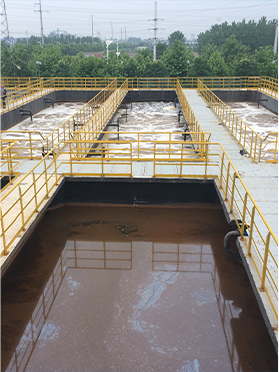
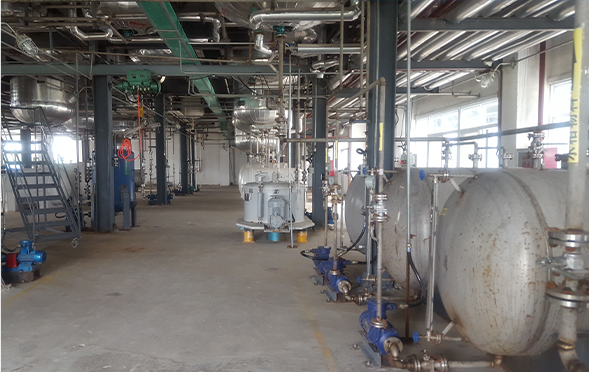
Manufacturing Facilities
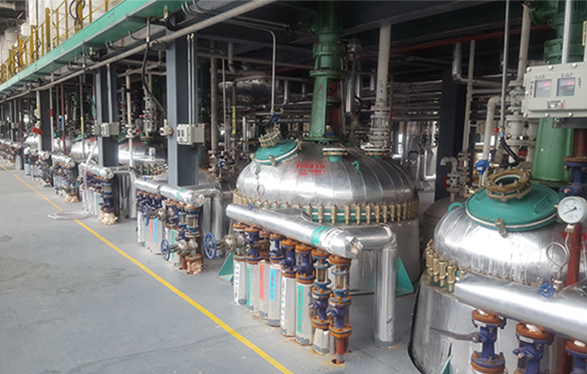
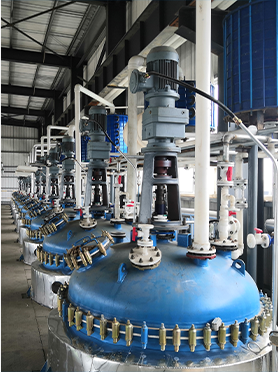
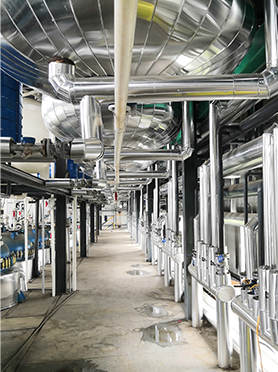
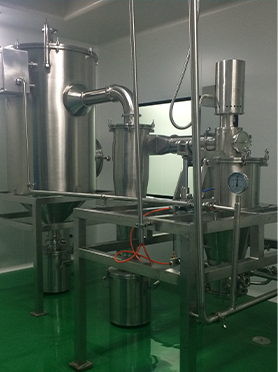
Professional Export Experience
to Global Customers
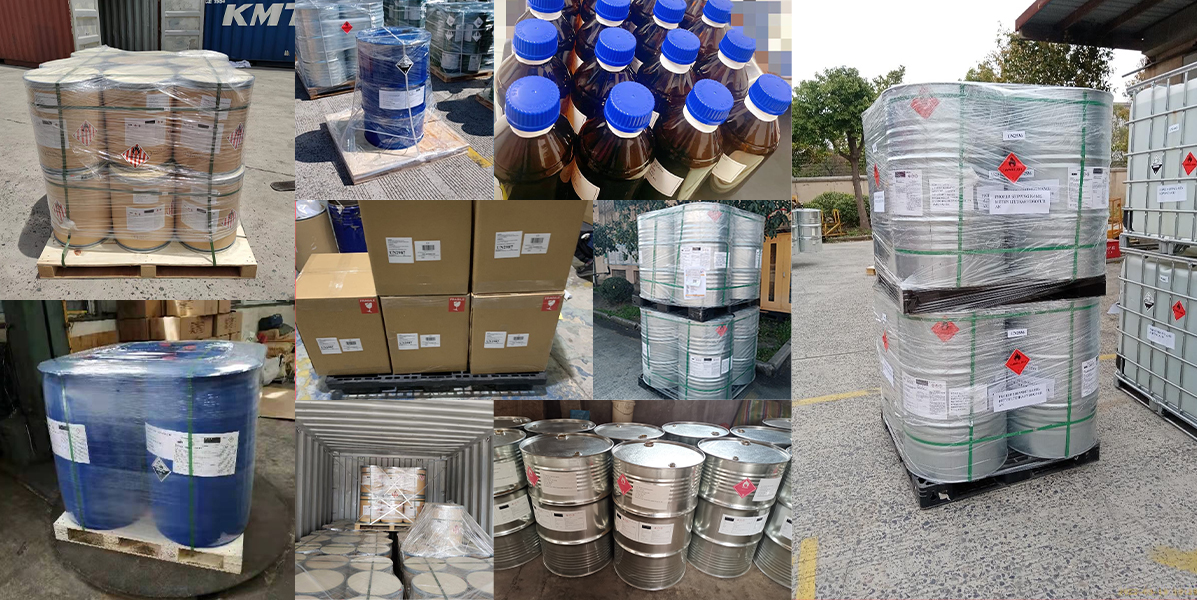
1. 20 years of R&D, manufacturing and sales experience, serving customers in 60 countries and regions around the world;
2. Own R&D laboratory, pilot platform and large-scale production workshop, which can meet the audit requirements of global customers;
3. We can satisfy customers' perfect transition from small scale lab requirements (gram level) to commercialization requirements (hundred tons level).
A: We don't have Minimum Order Quantity, exact quantity should be provided before quotation for us to calculate the exact cost.
A: We don't provide free samples due to lots of request and expensive international courier's cost, we can deduct the sample charge after commercial order placed.
A: Our payment terms: Small or sample order: T/T IN ADVANCE. Commercial order: First order should be by T/T IN ADVANCE or L/C at sight, and following orders T/T 30~90days is acceptable subject to approval of credit application.