Custom Manufacturing, Project Outsourcing, your Trusted Partner from China
Ammonia nitrogen is a pervasive challenge in water quality management, impacting everything from wastewater treatment plant efficiency to the health of aquatic ecosystems. Controlling this pollutant effectively requires a deep understanding of the biological processes involved, particularly the role of nitrifying bacteria. For professionals in the field, gaining expert insights into ammonia nitrogen control strategies is vital for ensuring compliance and optimizing treatment processes.
The core biological process for ammonia nitrogen removal is nitrification, driven by specialized bacteria like Nitrosomonas and Nitrobacter. These microorganisms convert ammonia into nitrite and then nitrate, a less toxic form. This biochemical transformation is essential for preventing eutrophication and protecting aquatic life. For managers and engineers, ensuring a robust and active population of these bacteria is paramount.
Expert advice often emphasizes the environmental conditions required for optimal nitrification. Adequate dissolved oxygen is non-negotiable, as these are aerobic bacteria. They also thrive within specific temperature ranges (typically 20-30°C) and pH levels (7.0-8.0). Understanding these parameters allows treatment facilities to fine-tune their operations for maximum bacterial efficiency. This focus on biological parameters often proves more sustainable and cost-effective than purely chemical treatments.
For those looking to implement or enhance their ammonia nitrogen control measures, the question of sourcing quality products arises. Learning where to purchase nitrifying bacteria from reliable manufacturers is key. Many organizations turn to trusted suppliers, such as those found in China, known for their advanced microbial formulations and competitive wastewater treatment chemicals price. These suppliers can offer potent liquid formulations that are easy to dose and seed into treatment systems, providing a rapid and effective ammonia nitrogen reduction solution.
Moreover, experts highlight that microbial treatments are not a 'set and forget' solution. Regular monitoring of key parameters – including ammonia, nitrite, and nitrate levels, along with dissolved oxygen and pH – is crucial for maintaining system health. Early detection of any imbalances allows for timely adjustments, preventing process disruptions and ensuring consistent compliance. When considering purchasing, seeking out a nitrifying bacteria supplier that offers technical support can be invaluable.
In conclusion, mastering ammonia nitrogen control involves a thorough understanding of nitrification and the strategic use of nitrifying bacteria. By consulting expert insights, focusing on optimal environmental conditions, and sourcing high-quality microbial products from reputable suppliers, water treatment facilities can achieve superior results. This approach not only ensures regulatory compliance but also promotes a more sustainable and efficient approach to water quality management.
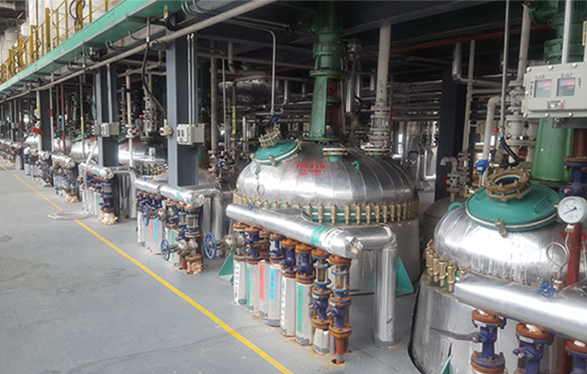
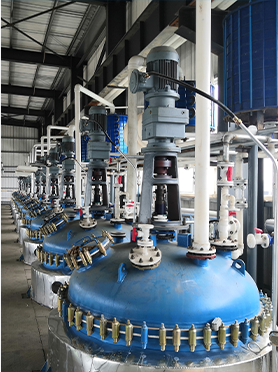
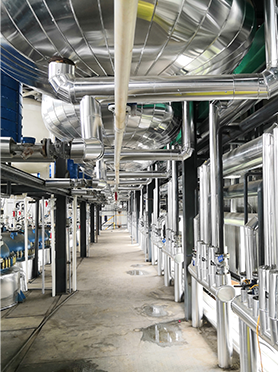
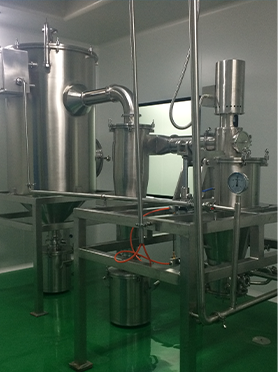
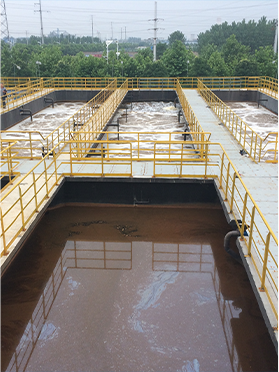
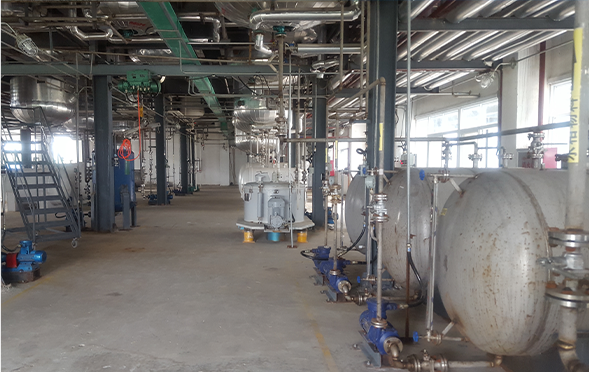
Manufacturing Facilities
Professional Export Experience
to Global Customers
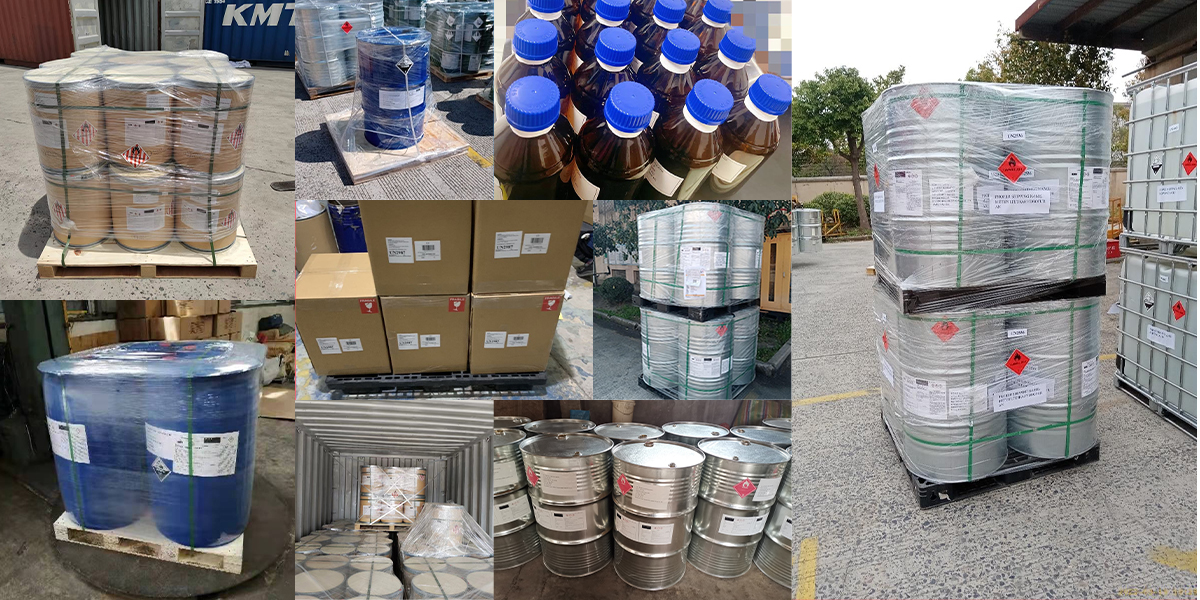
1. 20 years of R&D, manufacturing and sales experience, serving customers in 60 countries and regions around the world;
2. Own R&D laboratory, pilot platform and large-scale production workshop, which can meet the audit requirements of global customers;
3. We can satisfy customers' perfect transition from small scale lab requirements (gram level) to commercialization requirements (hundred tons level).
A: We don't have Minimum Order Quantity, exact quantity should be provided before quotation for us to calculate the exact cost.
A: We don't provide free samples due to lots of request and expensive international courier's cost, we can deduct the sample charge after commercial order placed.
A: Our payment terms: Small or sample order: T/T IN ADVANCE. Commercial order: First order should be by T/T IN ADVANCE or L/C at sight, and following orders T/T 30~90days is acceptable subject to approval of credit application.