
Custom Manufacturing, Project Outsourcing, your Trusted Partner from China
Dioctyl Phthalate (DOP), a widely employed plasticizer, has been instrumental in conferring flexibility and durability to a myriad of products, particularly those based on PVC. However, mounting concerns over the health and environmental implications of phthalates, including DOP, have spurred a significant industry-wide effort to identify and implement safer alternatives. This shift is driven by regulatory changes, consumer demand for 'greener' products, and advancements in chemical science. This article explores the landscape of DOP alternatives and the scientific innovations paving the way for safer chemical formulations.
The effectiveness of DOP as a plasticizer stems from its ability to disrupt polymer chain interactions, thereby increasing flexibility and reducing brittleness. Its compatibility with PVC, low volatility, and cost-effectiveness have historically made it a preferred choice. However, the search for alternatives is motivated by the desire to mitigate potential health risks, such as endocrine disruption, and to reduce environmental persistence. The health risks of DEHP, in particular, have prompted a critical re-evaluation of its widespread use.
The market for plasticizer alternatives is rapidly expanding, with a diverse range of compounds emerging. Non-phthalate plasticizers are at the forefront of this movement. These include:
The development of these alternatives is a testament to scientific innovation. Researchers are focusing on creating molecules that offer comparable performance to DOP without the associated liabilities. This involves meticulous research into toxicology, environmental fate, and compatibility with various polymer systems. The goal is to achieve what is known as 'regrettable substitution' avoidance – ensuring that newly adopted chemicals do not pose new, unforeseen risks. Therefore, thorough testing and regulatory assessment are critical. The ongoing development of alternatives to DOP is a vital part of the industry's commitment to sustainability and safety.
For manufacturers currently relying on DOP, the transition to alternatives involves careful consideration of performance requirements, regulatory compliance, and cost implications. Staying informed about the latest advancements in plasticizer technology and the evolving landscape of phthalate regulations is essential for making informed decisions. The move towards safer chemical formulations is not just a trend; it's a fundamental shift towards a more responsible and sustainable chemical industry.
Manufacturing Facilities
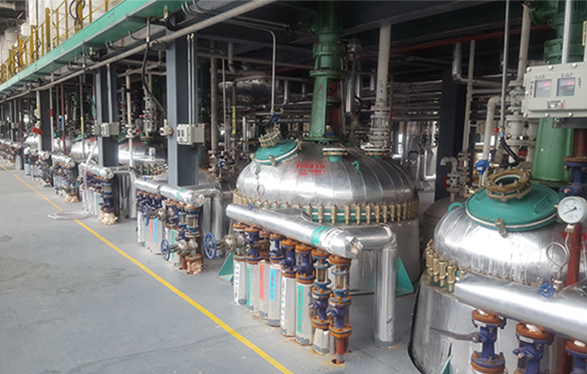
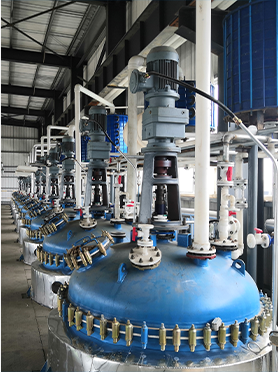
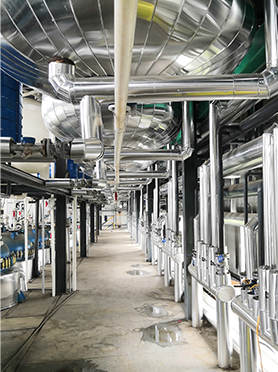
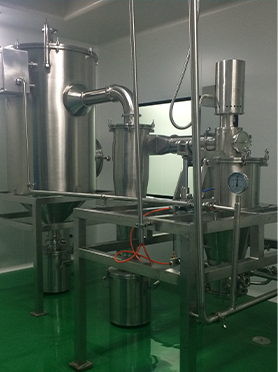
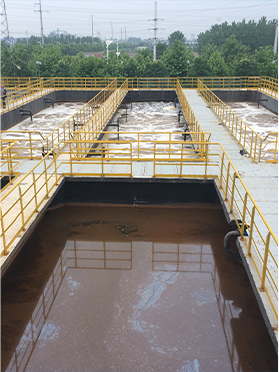
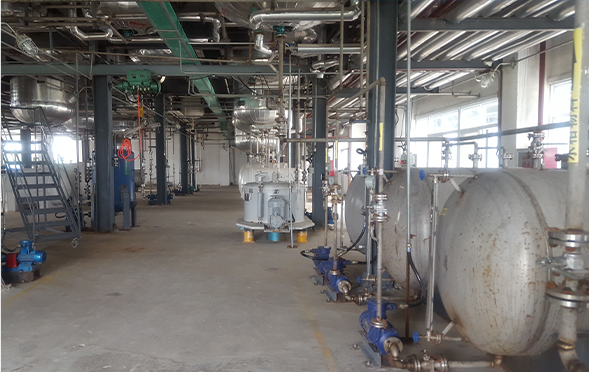
Professional Export Experience
to Global Customers
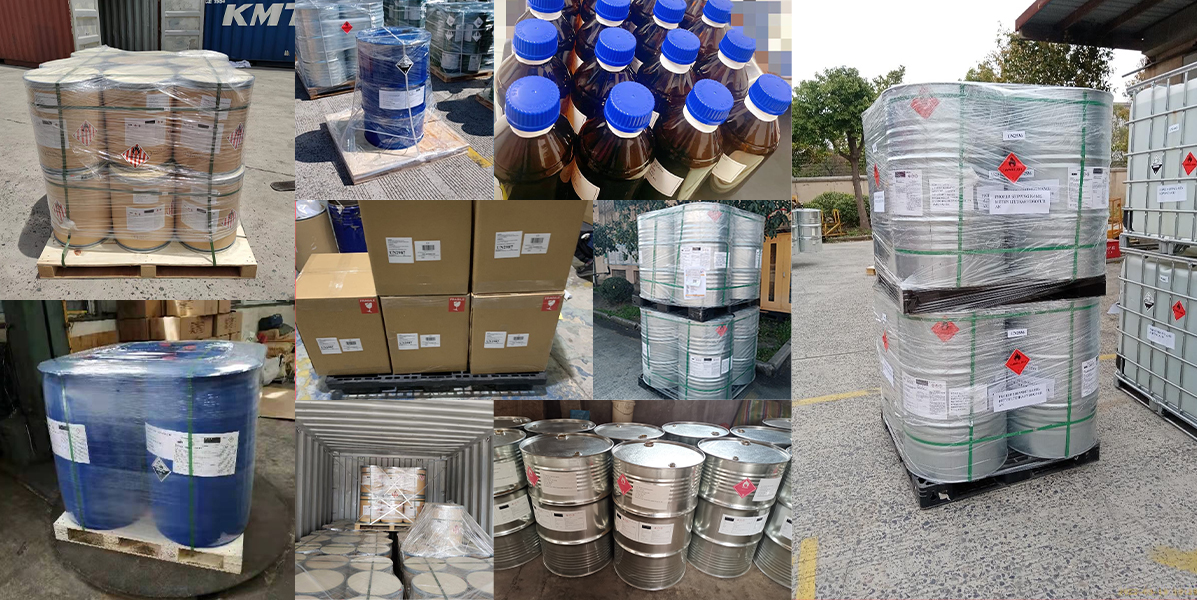
1. 20 years of R&D, manufacturing and sales experience, serving customers in 60 countries and regions around the world;
2. Own R&D laboratory, pilot platform and large-scale production workshop, which can meet the audit requirements of global customers;
3. We can satisfy customers' perfect transition from small scale lab requirements (gram level) to commercialization requirements (hundred tons level).
A: We don't have Minimum Order Quantity, exact quantity should be provided before quotation for us to calculate the exact cost.
A: We don't provide free samples due to lots of request and expensive international courier's cost, we can deduct the sample charge after commercial order placed.
A: Our payment terms: Small or sample order: T/T IN ADVANCE. Commercial order: First order should be by T/T IN ADVANCE or L/C at sight, and following orders T/T 30~90days is acceptable subject to approval of credit application.