
Custom Manufacturing, Project Outsourcing, your Trusted Partner from China
For chemists and material scientists, understanding the fundamental properties and reactivity of chemical intermediates is key to unlocking new applications and improving existing processes. 2,3-Dichloronitrobenzene (CAS 3209-22-1) is one such compound, a versatile aromatic molecule whose structure dictates its broad utility in organic synthesis.
2,3-Dichloronitrobenzene, with the molecular formula C6H3Cl2NO2, is an organic compound characterized by a benzene ring substituted with two chlorine atoms at positions 2 and 3, and a nitro group (-NO2) at position 1. This arrangement of electron-withdrawing groups significantly influences the reactivity of the benzene ring. Typically appearing as a white to off-white crystalline solid, it is soluble in many organic solvents but exhibits limited solubility in water.
The synthesis of 2,3-Dichloronitrobenzene typically involves the nitration of 1,2-dichlorobenzene. The directing effects of the chlorine atoms, which are ortho, para-directing but deactivating, guide the nitro group to the desired position. However, controlling the regioselectivity to favor the 2,3-isomer often requires optimized reaction conditions and careful purification steps. Manufacturers often employ specific methodologies to maximize yield and purity, ensuring a reliable product for downstream applications. For those seeking to purchase 2,3-dichloronitrobenzene, understanding its synthesis pathways can highlight the importance of sourcing from manufacturers with expertise in producing high-purity isomers.
The reactivity of 2,3-Dichloronitrobenzene is a cornerstone of its utility. The nitro group is a strong electron-withdrawing group, making the benzene ring susceptible to nucleophilic aromatic substitution, particularly at positions ortho and para to the nitro group. While the chlorine atoms are typically less reactive towards nucleophilic substitution compared to activated aromatic halides, their presence, along with the nitro group, opens pathways for various transformations. For example:
These reactions make 2,3-Dichloronitrobenzene a versatile building block. For example, its derivatives are crucial in the synthesis of certain agrochemicals and pharmaceuticals. Researchers and industrial chemists often look for a trusted supplier of 2,3-dichloronitrobenzene to obtain this intermediate for their complex organic synthesis projects. When you explore 2,3-dichloronitrobenzene for sale, consider the potential reaction pathways it enables.
In conclusion, the chemical structure of 2,3-Dichloronitrobenzene imbues it with a rich reactivity profile, making it an indispensable intermediate in various industrial sectors. A thorough understanding of its synthesis and reactivity allows chemists to leverage its potential for creating a wide array of valuable compounds. As a reliable manufacturer, we provide this essential molecule, enabling further innovation in chemical science.
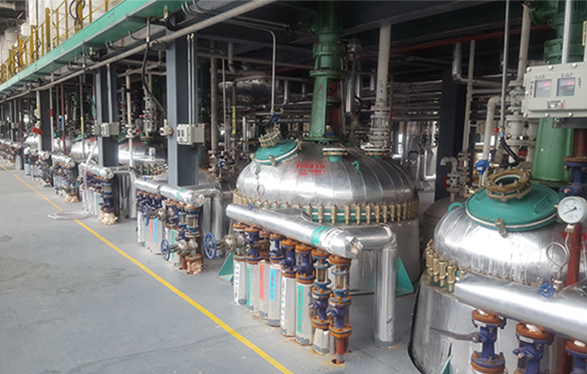
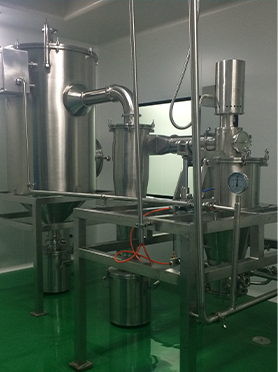
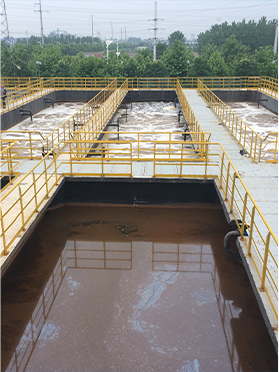
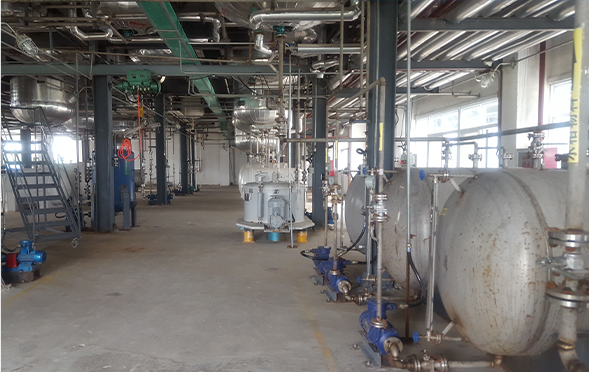
Manufacturing Facilities


Professional Export Experience
to Global Customers
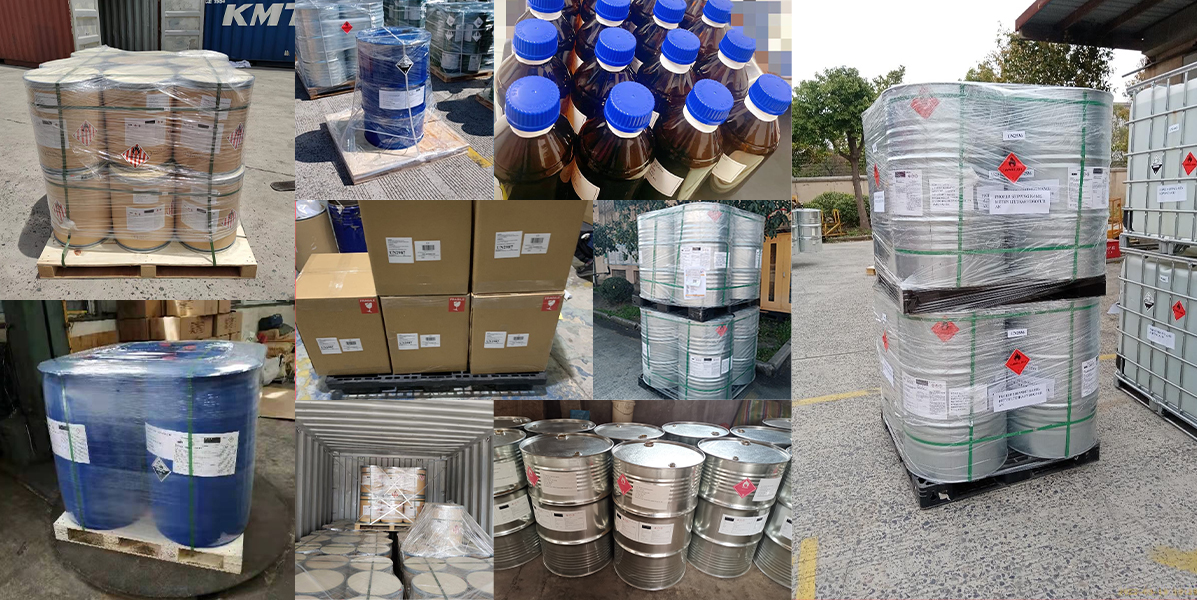
1. 20 years of R&D, manufacturing and sales experience, serving customers in 60 countries and regions around the world;
2. Own R&D laboratory, pilot platform and large-scale production workshop, which can meet the audit requirements of global customers;
3. We can satisfy customers' perfect transition from small scale lab requirements (gram level) to commercialization requirements (hundred tons level).
A: We don't have Minimum Order Quantity, exact quantity should be provided before quotation for us to calculate the exact cost.
A: We don't provide free samples due to lots of request and expensive international courier's cost, we can deduct the sample charge after commercial order placed.
A: Our payment terms: Small or sample order: T/T IN ADVANCE. Commercial order: First order should be by T/T IN ADVANCE or L/C at sight, and following orders T/T 30~90days is acceptable subject to approval of credit application.