
Custom Manufacturing, Project Outsourcing, your Trusted Partner from China
2,4-Dihydroxybenzaldehyde, scientifically identified by CAS number 95-01-2, is a valuable organic compound widely recognized for its utility in various chemical synthesis processes. This article aims to provide an in-depth look at its characteristic properties, its diverse applications, and best practices for its handling and storage, contributing to a better understanding of its importance in the chemical industry.
Physically, 2,4-dihydroxybenzaldehyde presents as a white needle crystal. This characteristic appearance is a primary identifier for quality and purity. Its molecular formula is C7H6O3, and it possesses a molecular weight of 138.12 g/mol. The compound's melting point typically ranges between 134-138°C, a critical parameter for its identification and assessment of purity. Understanding these physical attributes is essential for anyone working with this chemical intermediate.
The versatility of 2,4-dihydroxybenzaldehyde stems from its chemical structure, which includes both hydroxyl (-OH) and aldehyde (-CHO) functional groups. These groups are highly reactive and can participate in a multitude of organic reactions. Consequently, it is extensively employed as a chemical synthesis compound, acting as a crucial building block for more complex organic molecules. Its role as a dyestuff intermediate, for instance, allows for the creation of a wide array of colored compounds used in textiles, paints, and inks.
Furthermore, its application extends to being a pharmaceutical raw intermediate. In the complex process of drug development and manufacturing, 2,4-dihydroxybenzaldehyde serves as a key precursor for synthesizing various therapeutic agents. Its reliable presence in the supply chain is critical for pharmaceutical companies to maintain their production schedules and ensure the availability of essential medicines.
The compound also finds significant use as an agrochemical intermediate, supporting the development of products that enhance agricultural yield and protect crops. The efficiency and effectiveness of modern agriculture are, in part, dependent on the availability of such specialized chemical building blocks.
For optimal preservation of its quality and reactivity, proper storage conditions are crucial. It is recommended to store 2,4-dihydroxybenzaldehyde in a cool, dry place, ensuring the container remains tightly closed when not in use. This helps to protect it from moisture and potential degradation, thereby maintaining its efficacy for subsequent synthesis reactions.
In summary, 2,4-dihydroxybenzaldehyde is a compound of considerable industrial significance. Its distinct physical properties and its broad utility as a chemical synthesis compound, particularly as a dyestuff intermediate, agrochemical intermediate, and pharmaceutical raw intermediate, underscore its value in the chemical landscape. Adhering to recommended storage guidelines will further ensure its reliable performance in all applications.
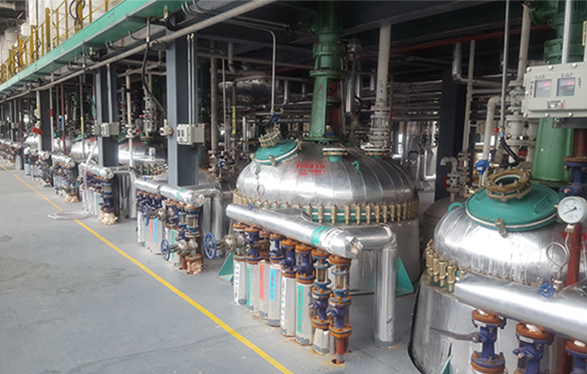
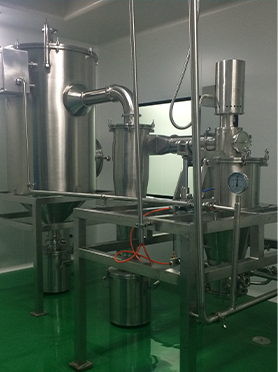
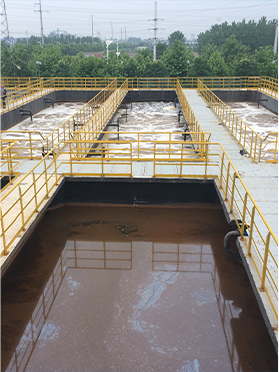
Manufacturing Facilities



Professional Export Experience
to Global Customers
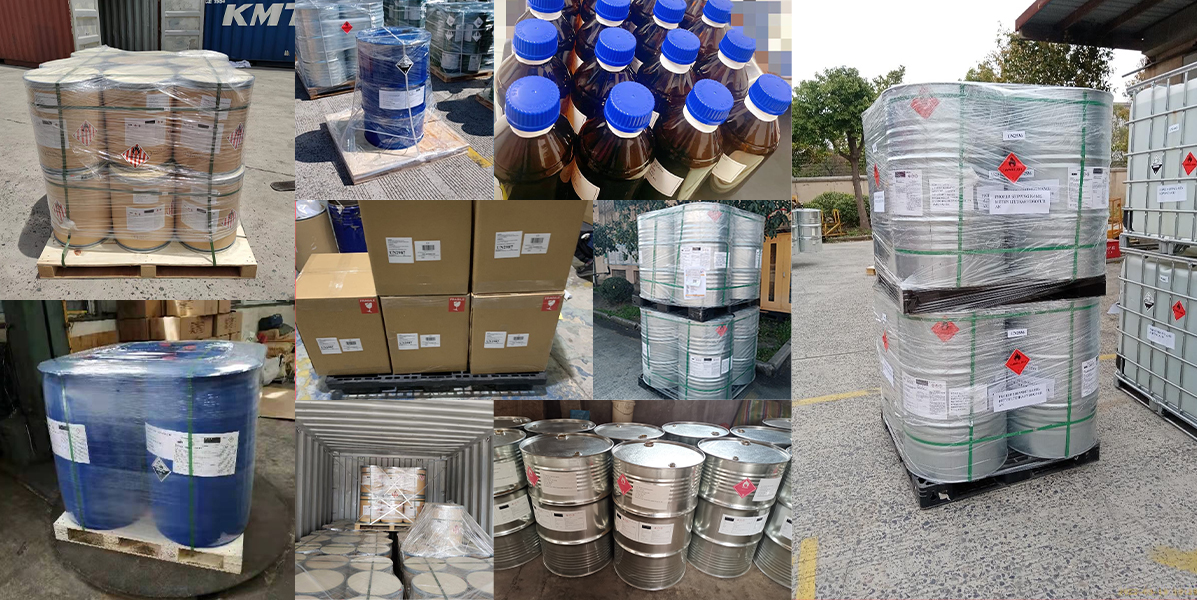
1. 20 years of R&D, manufacturing and sales experience, serving customers in 60 countries and regions around the world;
2. Own R&D laboratory, pilot platform and large-scale production workshop, which can meet the audit requirements of global customers;
3. We can satisfy customers' perfect transition from small scale lab requirements (gram level) to commercialization requirements (hundred tons level).
A: We don't have Minimum Order Quantity, exact quantity should be provided before quotation for us to calculate the exact cost.
A: We don't provide free samples due to lots of request and expensive international courier's cost, we can deduct the sample charge after commercial order placed.
A: Our payment terms: Small or sample order: T/T IN ADVANCE. Commercial order: First order should be by T/T IN ADVANCE or L/C at sight, and following orders T/T 30~90days is acceptable subject to approval of credit application.