
Custom Manufacturing, Project Outsourcing, your Trusted Partner from China
The versatile nature of phosphonates, which underpins their wide range of industrial and pharmaceutical applications, is rooted in their diverse synthesis pathways and characteristic chemical reactions. Understanding these processes is fundamental to appreciating the chemistry behind these vital compounds. Delving into phosphonate synthesis methods reveals the ingenuity employed to create these complex molecules.
A common starting point for many phosphonate syntheses is phosphorous acid (H3PO3), often referred to as phosphonic acid. Its reactive P−H bond is a key feature exploited in reactions like the Kabachnik–Fields and Pudovik reactions. These methods are used to create aminophosphonates, which are valuable as chelating agents. For instance, the industrial preparation of nitrilotris(methylenephosphonic acid) involves the reaction of ammonia, phosphorous acid, and formaldehyde.
Another significant route is the Michaelis–Arbuzov reaction, a cornerstone for preparing phosphonate esters. This reaction typically involves the alkylation of a phosphite ester with an alkyl halide, often catalyzed by another alkyl halide. The resulting phosphonate ester can then be hydrolyzed to yield the corresponding phosphonic acid. Variations like the Michaelis–Becker reaction involve deprotonating a hydrogen phosphonate diester followed by alkylation, offering another avenue to synthesize these compounds.
Phosphonates also undergo various important chemical reactions. Their esters are susceptible to hydrolysis under both acidic and basic conditions, though the P−C bond generally requires more aggressive conditions to cleave. The Horner–Wadsworth–Emmons reaction is a notable example where dialkyl phosphonates are deprotonated to form carbanions that react with aldehydes to produce alkenes. This reaction is critical in organic synthesis for forming carbon-carbon double bonds.
The study of phosphonate synthesis methods and their reactivity is an ongoing area of chemical research. Mastery of these techniques allows for the tailored production of phosphonates with specific properties, enabling their application in fields ranging from water treatment and construction to advanced medicine and agriculture. The ability to precisely control the synthesis process is what unlocks the full potential of phosphonate chemistry.
Manufacturing Facilities
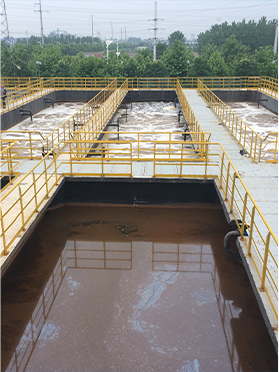
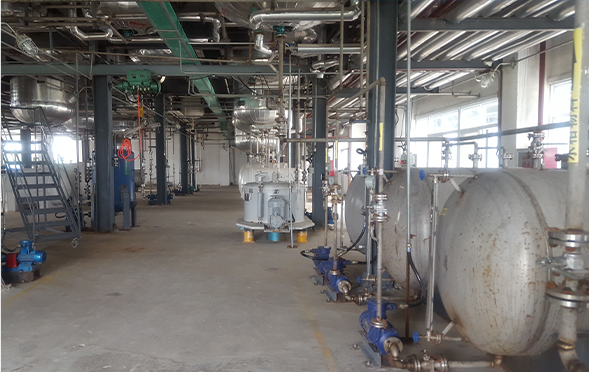
Professional Export Experience
to Global Customers
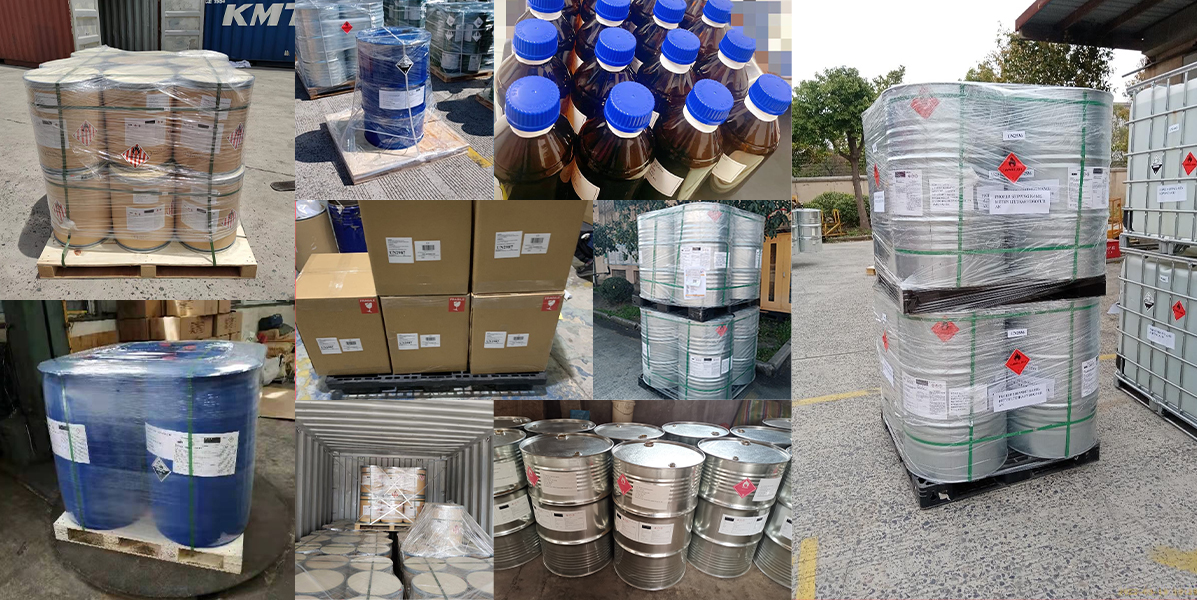
1. 20 years of R&D, manufacturing and sales experience, serving customers in 60 countries and regions around the world;
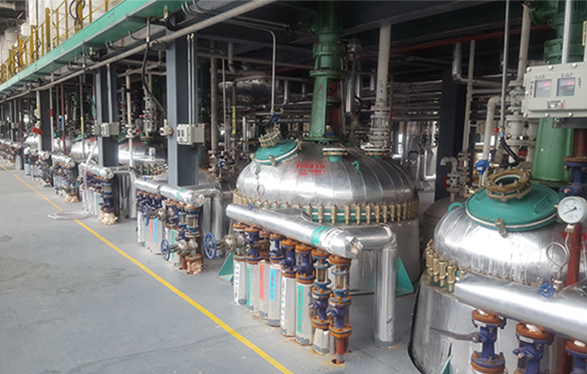
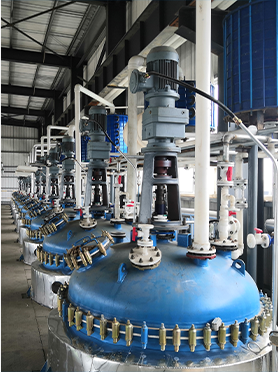
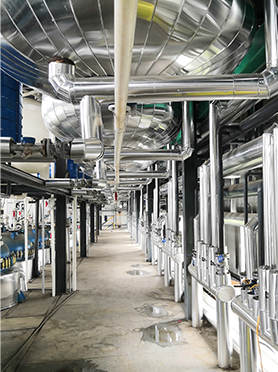
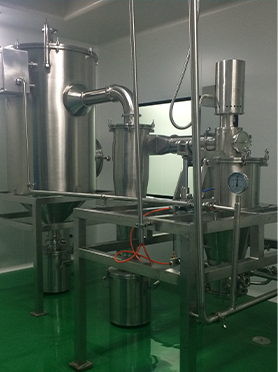
2. Own R&D laboratory, pilot platform and large-scale production workshop, which can meet the audit requirements of global customers;
3. We can satisfy customers' perfect transition from small scale lab requirements (gram level) to commercialization requirements (hundred tons level).
A: We don't have Minimum Order Quantity, exact quantity should be provided before quotation for us to calculate the exact cost.
A: We don't provide free samples due to lots of request and expensive international courier's cost, we can deduct the sample charge after commercial order placed.
A: Our payment terms: Small or sample order: T/T IN ADVANCE. Commercial order: First order should be by T/T IN ADVANCE or L/C at sight, and following orders T/T 30~90days is acceptable subject to approval of credit application.