
Custom Manufacturing, Project Outsourcing, your Trusted Partner from China
Octamethylcyclotetrasiloxane (D4) is undoubtedly the most recognized and widely used cyclic siloxane in industrial applications, serving as a fundamental building block for a vast array of silicone products. However, its molecular siblings – Octamethylcyclotrisiloxane (D3) and Decamethylcyclopentasiloxane (D5) – also possess unique properties that make them valuable in specific chemical syntheses and material science applications.
Octamethylcyclotrisiloxane (D3):
D3 is the smallest of the common cyclic siloxanes, featuring a three-membered ring structure. This tighter ring structure imparts greater reactivity compared to D4. D3 is often used as a reactive intermediate in the synthesis of specific silicone polymers and resins where a higher degree of control over chain length or branching is required. Due to its higher reactivity and ring strain, D3 can be more readily polymerized than D4 under certain conditions. It is sometimes preferred in the production of specialized silicone fluids or as a monomer in copolymerization reactions to introduce specific properties into the silicone backbone.
Decamethylcyclopentasiloxane (D5):
D5, with its five-membered ring structure, is larger and less volatile than D4. Its lower volatility makes it a desirable component in certain cosmetic and personal care formulations, where it provides a smooth, silky feel and acts as a solvent for other ingredients without evaporating too quickly. In industrial chemistry, D5 can also be used as a monomer for producing silicone polymers, often yielding fluids with different viscosity profiles and thermal properties compared to those derived solely from D4. Its higher boiling point and lower vapor pressure can be advantageous in applications requiring sustained performance at elevated temperatures or in formulations where slower evaporation is desired.
Comparative Properties and Applications:
The differences in ring size between D3, D4, and D5 lead to distinct physical and chemical properties:
While D4 remains the workhorse for large-scale silicone production, understanding the roles of D3 and D5 is crucial for niche applications and advanced material development. Chemical companies that can offer a range of cyclic siloxanes provide formulators with greater flexibility to innovate and tailor materials for specific performance requirements. The ability to procure these different cyclic siloxanes from a reliable manufacturer ensures that researchers and manufacturers have access to the full spectrum of building blocks for advanced silicone chemistry.
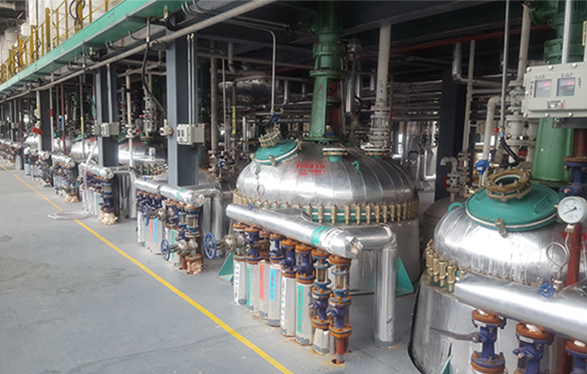
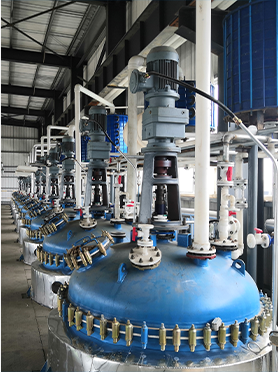
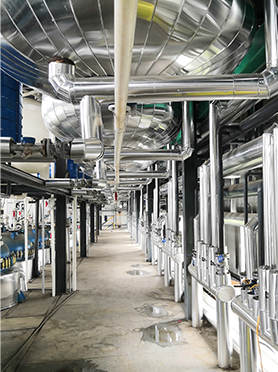
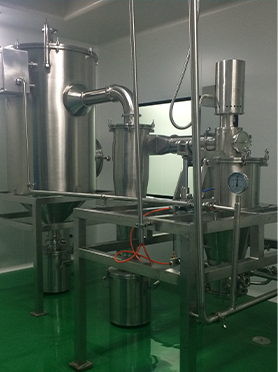
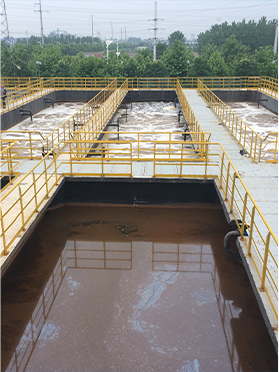
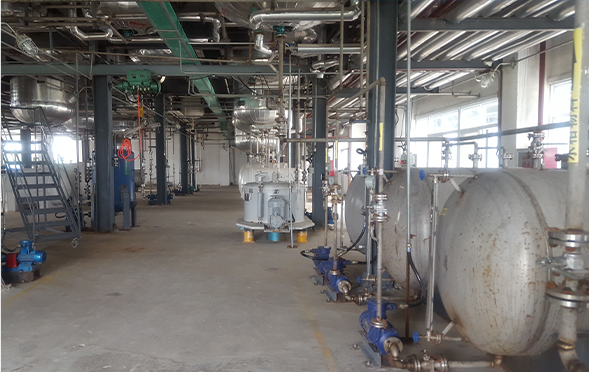
Manufacturing Facilities
Professional Export Experience
to Global Customers
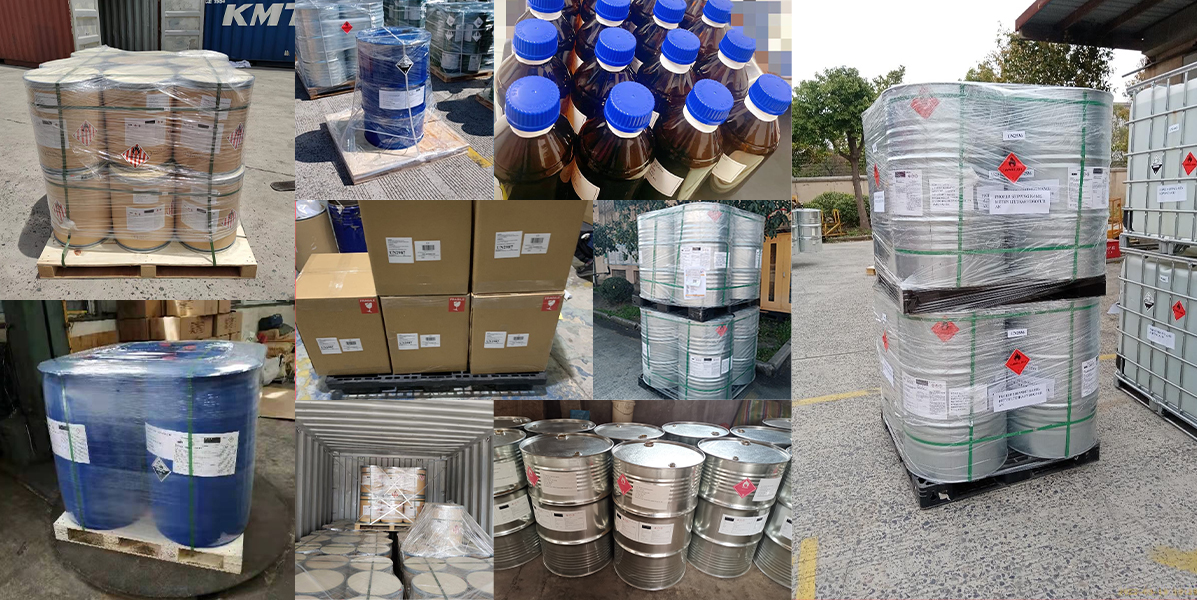
1. 20 years of R&D, manufacturing and sales experience, serving customers in 60 countries and regions around the world;
2. Own R&D laboratory, pilot platform and large-scale production workshop, which can meet the audit requirements of global customers;
3. We can satisfy customers' perfect transition from small scale lab requirements (gram level) to commercialization requirements (hundred tons level).
A: We don't have Minimum Order Quantity, exact quantity should be provided before quotation for us to calculate the exact cost.
A: We don't provide free samples due to lots of request and expensive international courier's cost, we can deduct the sample charge after commercial order placed.
A: Our payment terms: Small or sample order: T/T IN ADVANCE. Commercial order: First order should be by T/T IN ADVANCE or L/C at sight, and following orders T/T 30~90days is acceptable subject to approval of credit application.