
Custom Manufacturing, Project Outsourcing, your Trusted Partner from China
For textile manufacturers, optimizing both quality and cost is a constant pursuit. When it comes to fabric finishing, the choice of softener can significantly impact the final product's feel, appearance, and overall value. Nonionic softener flakes have emerged as a highly effective and versatile option, particularly for cotton and its blends. This article explores what makes them a preferred choice and how manufacturers can find the best price for these essential chemicals.
Why Nonionic Softeners for Cotton?
Cotton is a beloved natural fiber known for its comfort and breathability. However, to achieve that truly luxurious, smooth, and supple feel that consumers desire, finishing agents are necessary. Nonionic softeners excel in this regard. Unlike cationic softeners, which can sometimes interfere with dye uptake or cause issues with certain finishes, nonionic softeners offer broad compatibility. They work by lubricating the cotton fibers, reducing friction and imparting a soft hand without negatively affecting the fabric's intrinsic properties like absorbency or color shade. For those looking to buy textile finishing softener flakes, understanding this compatibility is crucial for achieving consistent results.
Moreover, nonionic softeners are renowned for their low yellowing characteristics. Cotton fabrics, especially those that are white or dyed in pastel shades, demand softeners that won't alter their appearance over time or with heat exposure. Nonionic softener flakes provide this crucial benefit, ensuring the fabric retains its pristine look. This makes them a go-to solution when searching for a nonionic softener manufacturer that prioritizes shade stability.
The Quest for the Best Price
Finding the best price nonionic softener for cotton involves more than just looking at the per-kilogram cost. It requires a holistic approach that considers the supplier's reputation, product quality, and the overall value proposition. Here are key strategies:
Application Tips for Cotton Fabrics
When using nonionic softener flakes for cotton, proper dissolution is key. Typically, the flakes are added to hot water (around 70-75°C) and stirred until fully dissolved, forming a stable emulsion. This concentrated solution is then diluted to the required working concentration for either padding or exhaustion application. For padding, a dosage of 20-30 g/L (of 10% solution) is common, while for exhaustion, 3-8% (o.w.f.) at a liquor ratio of 1:10-15 is standard. Always refer to the specific product’s technical data sheet from your chosen nonionic softener flakes supplier.
Conclusion
Nonionic softener flakes are an excellent investment for textile manufacturers working with cotton and blended fabrics. They deliver superior softness, brightness, and functional benefits. By strategically sourcing from reliable manufacturers and understanding the nuances of pricing and application, you can secure the best value and enhance your fabric finishing processes. When you need to purchase these vital auxiliaries, prioritize quality and dependable supply to ensure your fabrics stand out in the market.
Manufacturing Facilities
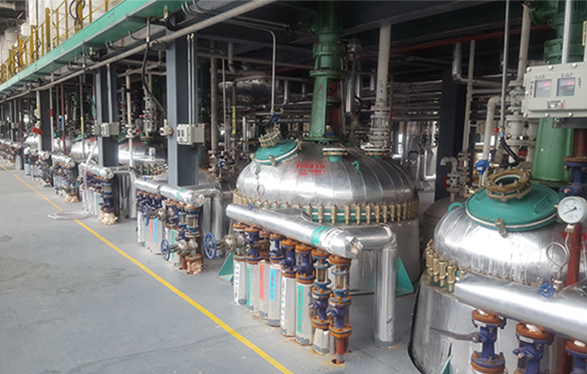
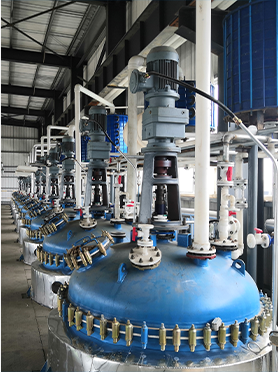
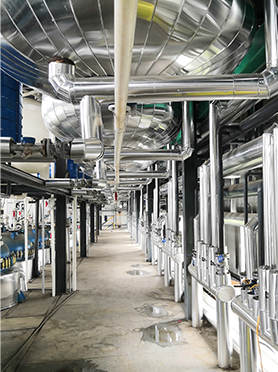
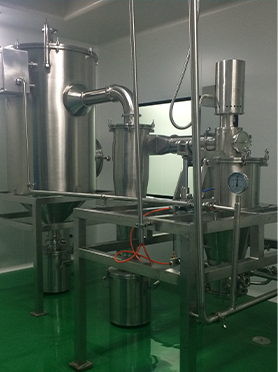
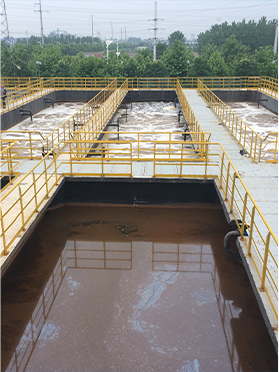
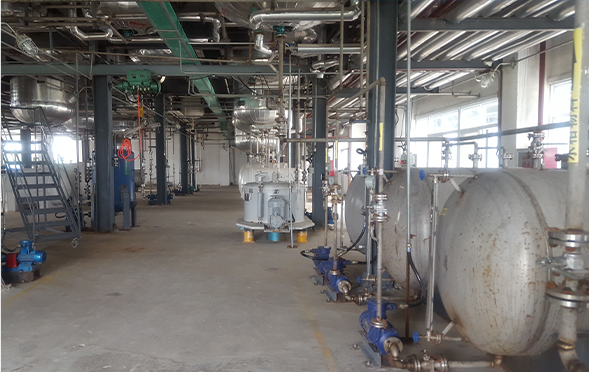
Professional Export Experience
to Global Customers
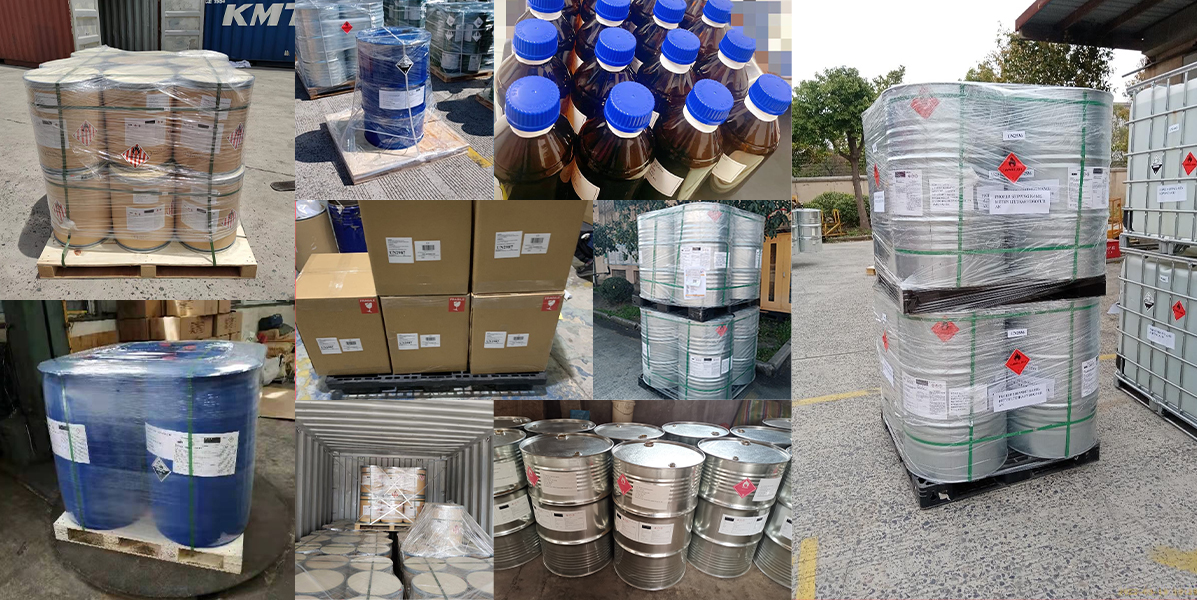
1. 20 years of R&D, manufacturing and sales experience, serving customers in 60 countries and regions around the world;
2. Own R&D laboratory, pilot platform and large-scale production workshop, which can meet the audit requirements of global customers;
3. We can satisfy customers' perfect transition from small scale lab requirements (gram level) to commercialization requirements (hundred tons level).
A: We don't have Minimum Order Quantity, exact quantity should be provided before quotation for us to calculate the exact cost.
A: We don't provide free samples due to lots of request and expensive international courier's cost, we can deduct the sample charge after commercial order placed.
A: Our payment terms: Small or sample order: T/T IN ADVANCE. Commercial order: First order should be by T/T IN ADVANCE or L/C at sight, and following orders T/T 30~90days is acceptable subject to approval of credit application.