
Custom Manufacturing, Project Outsourcing, your Trusted Partner from China
Positron Emission Tomography (PET) has revolutionized medical diagnostics by providing invaluable insights into physiological processes at the molecular level. The development of effective PET radiotracers is central to this advancement, and fluorinated amino acids, particularly those with specific functional groups, are playing an increasingly significant role. DL-4-Trifluoromethyl-L-phenylalanine is a prime example of a compound that contributes to the creation of novel and highly effective PET imaging agents.
The unique properties conferred by the trifluoromethyl group in DL-4-Trifluoromethyl-L-phenylalanine make it an attractive starting material for synthesizing radiotracers. Fluorine-18 ([18F]), a common radioisotope used in PET imaging, can be effectively incorporated into molecules containing fluorine atoms. This allows for the precise tracking of these molecules within the body, enabling visualization of metabolic pathways and disease markers.
Researchers are actively exploring the synthesis of new PET radiotracers based on fluorinated amino acids to improve diagnostic accuracy for various conditions, including various types of cancer and neurological disorders. The targeted delivery of these radiotracers to specific tissues or cellular targets is crucial for effective imaging. DL-4-Trifluoromethyl-L-phenylalanine derivatives can be designed to bind to specific biological transporters or receptors, enhancing the specificity of the PET scan.
The development of novel PET radiotracers often involves intricate chemical synthesis to ensure the radiolabeled molecule retains its biological activity and exhibits favorable pharmacokinetic properties. The efficient synthesis of DL-4-Trifluoromethyl-L-phenylalanine is a critical first step in this process. Companies like NINGBO INNO PHARMCHEM CO.,LTD. provide essential chemical building blocks that facilitate the creation of these advanced imaging agents.
The application of DL-4-Trifluoromethyl-L-phenylalanine in this field is not limited to just one type of tracer. Its versatility allows for the development of tracers that target different biological processes, such as amino acid transport, which is often upregulated in rapidly dividing cancer cells. By understanding the metabolic pathways, researchers can design tracers that are selectively taken up by diseased tissues, leading to clearer images and more reliable diagnoses.
As the demand for more sensitive and specific diagnostic tools grows, the importance of compounds like DL-4-Trifluoromethyl-L-phenylalanine in the field of PET imaging will only increase. Its role in creating next-generation radiotracers underscores the critical intersection of synthetic chemistry and medical diagnostics, promising a future with earlier disease detection and more personalized treatment strategies.
Manufacturing Facilities
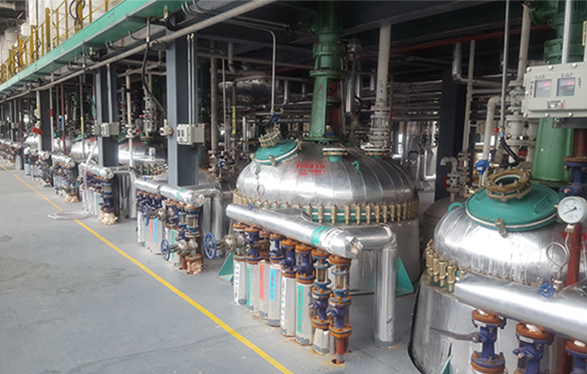
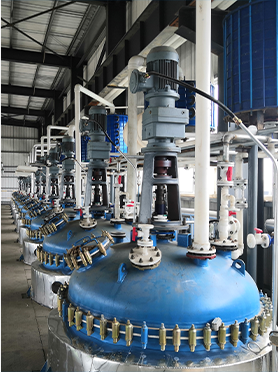
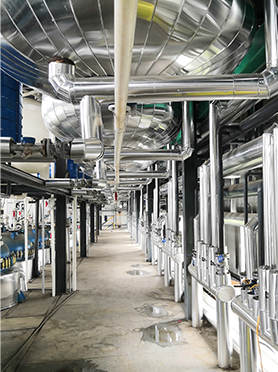
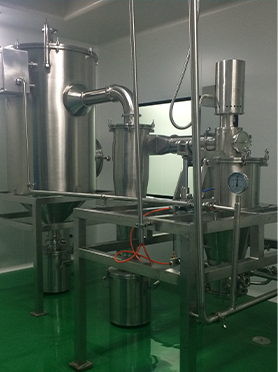
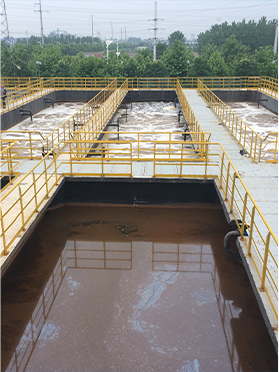
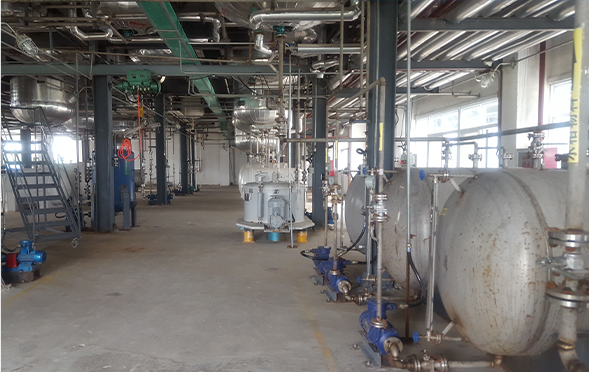
Professional Export Experience
to Global Customers
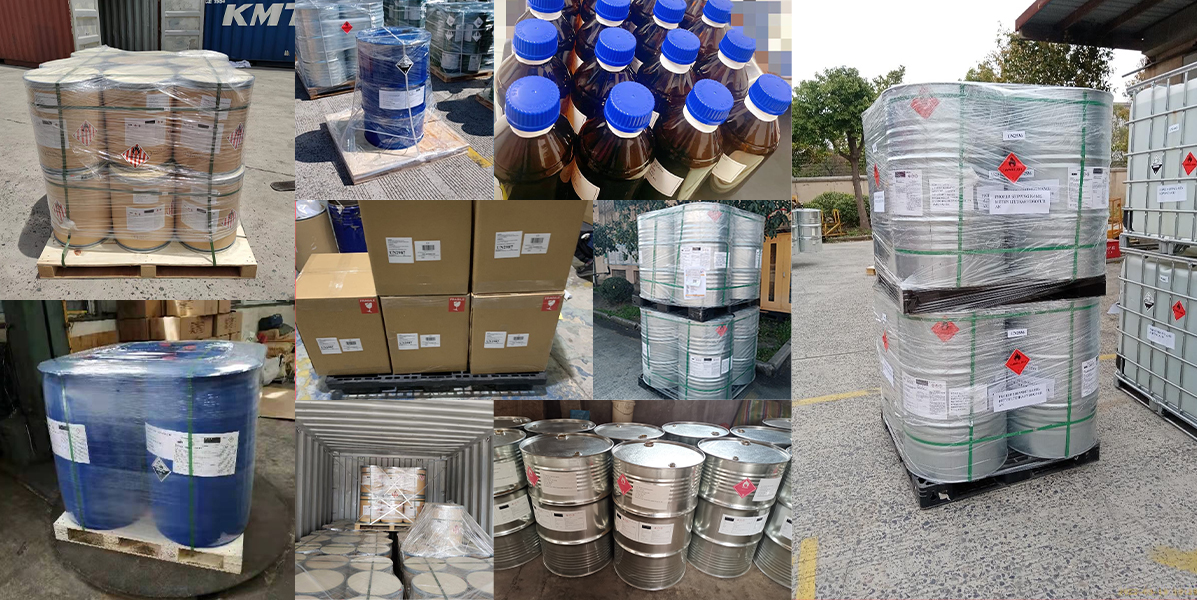
1. 20 years of R&D, manufacturing and sales experience, serving customers in 60 countries and regions around the world;
2. Own R&D laboratory, pilot platform and large-scale production workshop, which can meet the audit requirements of global customers;
3. We can satisfy customers' perfect transition from small scale lab requirements (gram level) to commercialization requirements (hundred tons level).
A: We don't have Minimum Order Quantity, exact quantity should be provided before quotation for us to calculate the exact cost.
A: We don't provide free samples due to lots of request and expensive international courier's cost, we can deduct the sample charge after commercial order placed.
A: Our payment terms: Small or sample order: T/T IN ADVANCE. Commercial order: First order should be by T/T IN ADVANCE or L/C at sight, and following orders T/T 30~90days is acceptable subject to approval of credit application.