
Custom Manufacturing, Project Outsourcing, your Trusted Partner from China
preservative and acidifier
. By lowering the pH of the feed, formic acid creates an environment that is less hospitable to pathogenic bacteria such as Salmonella and E. coli. This antimicrobial action helps to maintain the quality of the feed, preventing spoilage and ensuring that animals consume safe, high-quality nutrients. The preservation capabilities of formic acid are vital for feed manufacturers looking to extend product shelf life and maintain nutritional integrity. Furthermore, formic acid acts as agrowth promoter
by positively impacting the gut microflora of animals like poultry, swine, and cattle. As a feed additive, it can help to establish a more beneficial balance of bacteria in the digestive tract. This improved gut health leads to better nutrient absorption, increased feed efficiency, and ultimately, enhanced average daily weight gain in livestock. Farmers and feed producers recognize formic acid as a valuable tool for optimizing animal performance and reducing the incidence of intestinal diseases, thereby contributing to more sustainable and profitable farming practices. The scientific community has extensively studied theformic acid in animal feed
sector, confirming its efficacy in improving animal health. Its ability to modulate the gut environment makes it an attractive alternative to antibiotic growth promoters, aligning with growing demands for antibiotic-free animal production. As a trusted manufacturer and supplier of formic acid in China, we are committed to providing high-purity products that meet the stringent requirements of the animal nutrition industry. By incorporating formic acid into feed formulations, producers can achieve improved animal well-being and economic returns, solidifying its importance in modern agriculture.Manufacturing Facilities
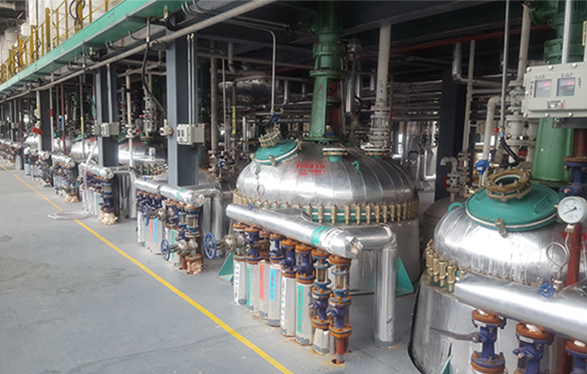
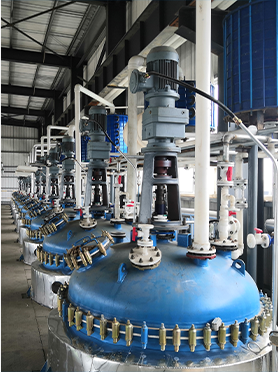
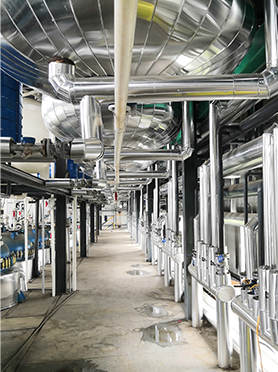
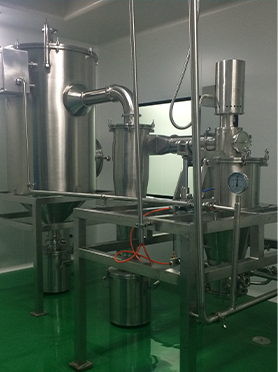
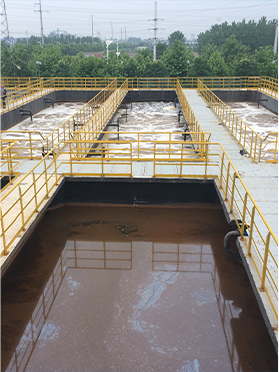
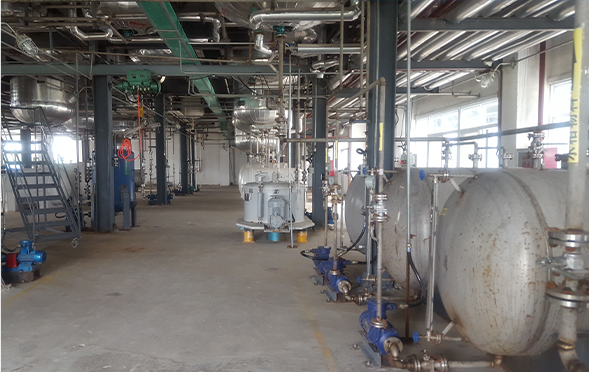
Professional Export Experience
to Global Customers
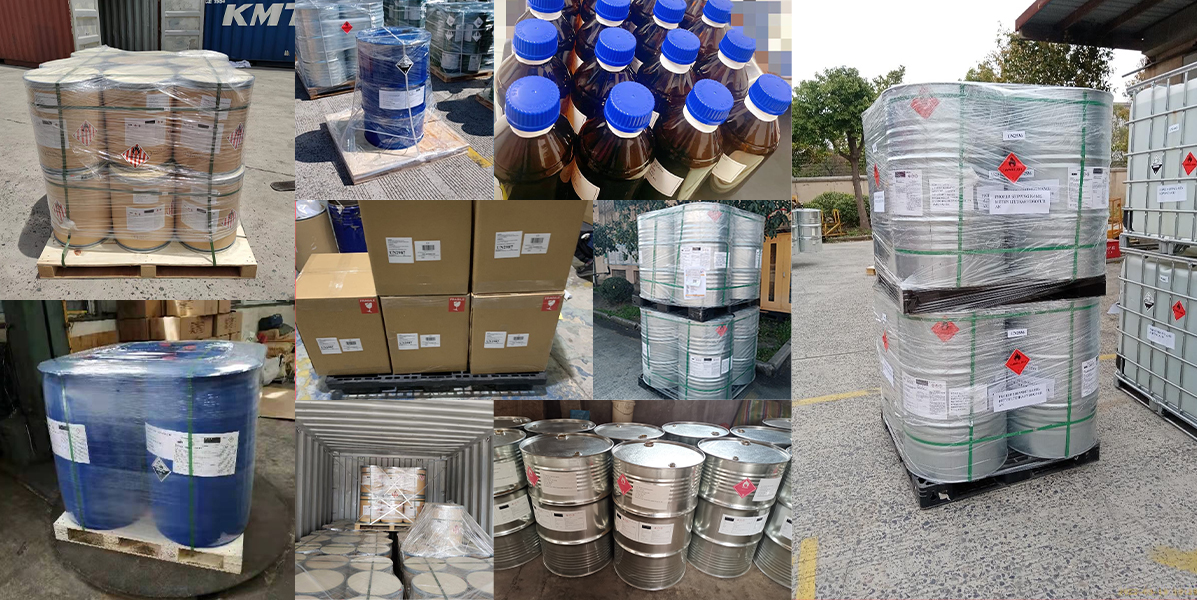
1. 20 years of R&D, manufacturing and sales experience, serving customers in 60 countries and regions around the world;
2. Own R&D laboratory, pilot platform and large-scale production workshop, which can meet the audit requirements of global customers;
3. We can satisfy customers' perfect transition from small scale lab requirements (gram level) to commercialization requirements (hundred tons level).
A: We don't have Minimum Order Quantity, exact quantity should be provided before quotation for us to calculate the exact cost.
A: We don't provide free samples due to lots of request and expensive international courier's cost, we can deduct the sample charge after commercial order placed.
A: Our payment terms: Small or sample order: T/T IN ADVANCE. Commercial order: First order should be by T/T IN ADVANCE or L/C at sight, and following orders T/T 30~90days is acceptable subject to approval of credit application.