
Custom Manufacturing, Project Outsourcing, your Trusted Partner from China
Chitosan, a natural biopolymer, is abundant and possesses inherent properties like biodegradability and biocompatibility. However, its limited water solubility and mechanical properties have historically restricted its applications. The modification of chitosan into O-carboxymethyl chitosan addresses these limitations by introducing carboxymethyl groups, significantly enhancing its water solubility and chemical reactivity. This derivative unlocks a wider range of applications, particularly in sophisticated fields like food packaging.
A recent breakthrough in enhancing O-CMC's utility comes from crosslinking it with polyethylene glycol (PEG). This O-CMC–PEG composite material, as demonstrated in scientific studies, offers a synergistic blend of properties ideal for food packaging. The crosslinking process, often achieved through reactions forming stable urea bonds, results in films with improved tensile strength and remarkable water vapor barrier performance. These attributes are crucial for preserving food quality, preventing moisture loss, and maintaining the freshness of packaged goods, especially perishable items like fruits and vegetables.
Furthermore, the O-CMC–PEG films exhibit significant antibacterial activity. This is attributed to the presence of residual amino groups on the O-CMC backbone, which can interact with the negatively charged surfaces of bacteria, leading to cell damage and inhibition of growth. Studies have shown effective activity against common foodborne pathogens such as *Escherichia coli* and *Staphylococcus aureus*. This intrinsic antibacterial characteristic of the carboxymethyl chitosan derivative is a powerful tool for extending the shelf life of food products and reducing food waste, a critical global challenge. For businesses seeking to buy these advanced materials, partnering with a reliable supplier for these high-performance chitosan derivatives is key.
The development of such materials represents a significant step towards sustainable packaging. The degradable nature of these O-CMC–PEG films means they break down naturally, minimizing environmental pollution. This contrasts sharply with traditional petroleum-based plastics that persist in the environment for centuries. As manufacturers in China and globally continue to innovate, O-carboxymethyl chitosan is poised to play an increasingly vital role in creating next-generation food packaging that is both effective and environmentally responsible. Businesses looking to procure these materials for their packaging needs should consider the enhanced properties and sustainability benefits offered by these advanced films.
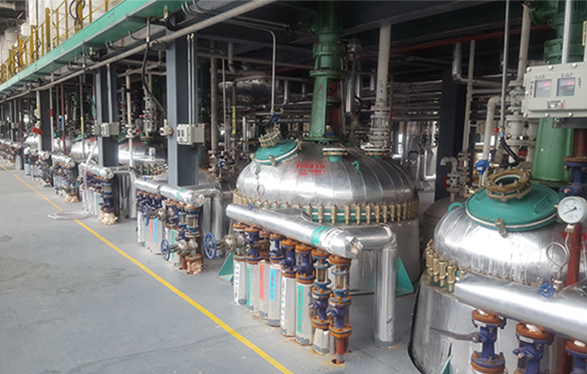
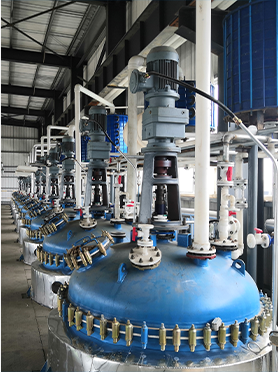
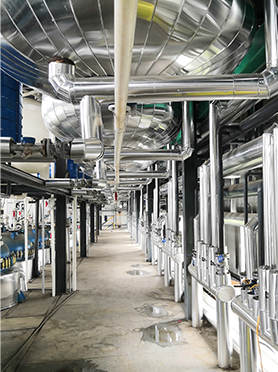
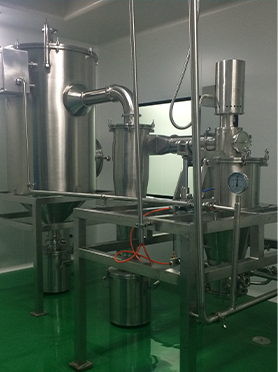
Manufacturing Facilities
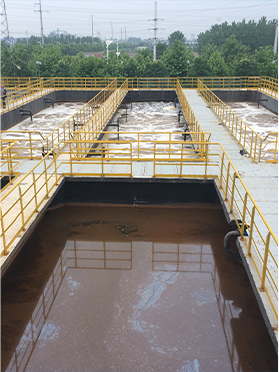
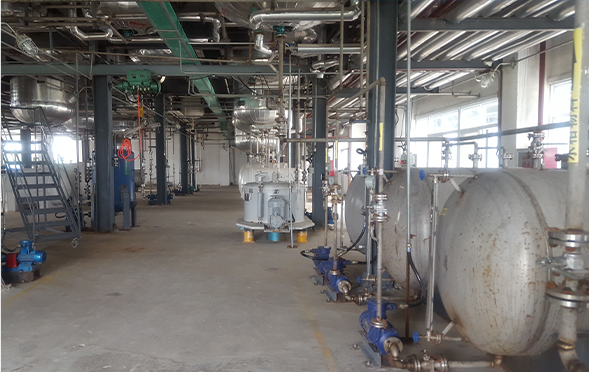
Professional Export Experience
to Global Customers
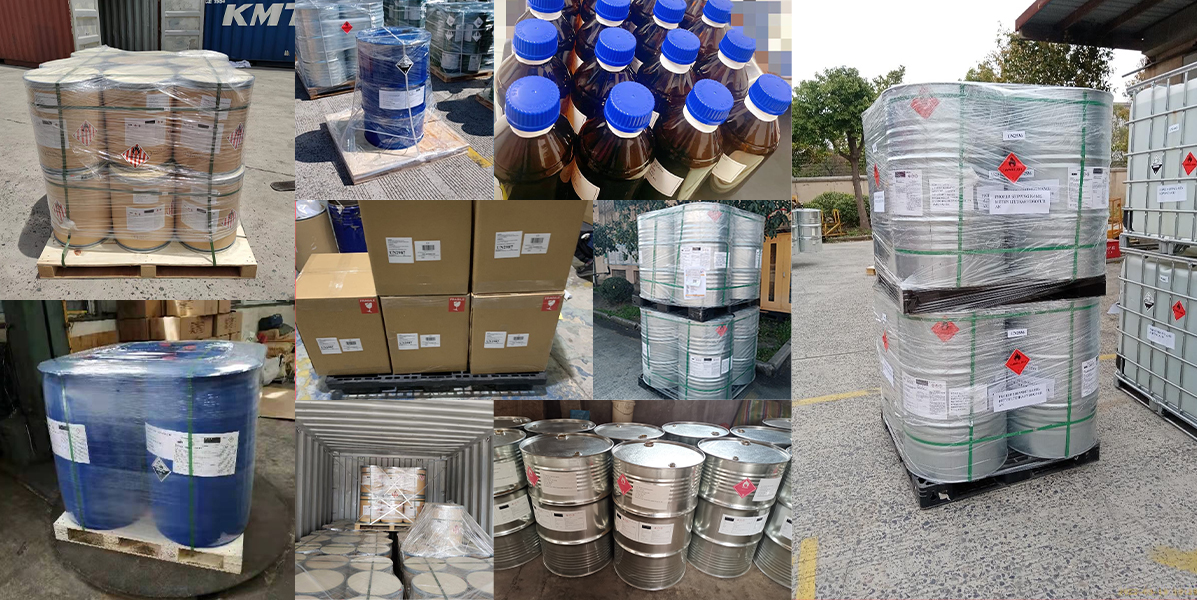
1. 20 years of R&D, manufacturing and sales experience, serving customers in 60 countries and regions around the world;
2. Own R&D laboratory, pilot platform and large-scale production workshop, which can meet the audit requirements of global customers;
3. We can satisfy customers' perfect transition from small scale lab requirements (gram level) to commercialization requirements (hundred tons level).
A: We don't have Minimum Order Quantity, exact quantity should be provided before quotation for us to calculate the exact cost.
A: We don't provide free samples due to lots of request and expensive international courier's cost, we can deduct the sample charge after commercial order placed.
A: Our payment terms: Small or sample order: T/T IN ADVANCE. Commercial order: First order should be by T/T IN ADVANCE or L/C at sight, and following orders T/T 30~90days is acceptable subject to approval of credit application.