
Custom Manufacturing, Project Outsourcing, your Trusted Partner from China
Gelatin, derived from animal collagen, has long been a preferred ingredient for its unparalleled gelling, binding, and stabilizing properties. However, driven by dietary preferences, religious restrictions, and specific technical requirements, alternatives such as plant-based hydrocolloids (agar, pectin, carrageenan) and synthetic polymers are increasingly being explored. For procurement professionals and product developers, understanding the functional differences, sourcing considerations, and market availability of these materials is key to making informed decisions. Let's compare gelatin with its common alternatives.
Gelatin: The Gold Standard with Unique Properties
Pros:
Plant-Based Alternatives: Agar, Pectin, Carrageenan
1. Agar-Agar: Derived from red algae, agar is known for its strong, firm, and brittle gels that are stable at higher temperatures than gelatin. It is a popular vegan gelling agent.
2. Pectin: Extracted from fruits, pectin requires specific conditions (sugar and acid) to gel, forming a short, tender texture. It's widely used in jams and confectionery.
3. Carrageenan: Also derived from seaweed, carrageenan offers various types (Kappa, Iota, Lambda) that produce different gel textures, from brittle to elastic. It's excellent for stabilizing dairy proteins.
Synthetic and Modified Alternatives
While less common as direct replacements for general gelling, modified starches, gums (xanthan, guar), and synthetic polymers are used for thickening, stabilization, and texture modification. They offer different functionalities and are often chosen for cost-effectiveness or specific processing requirements.
Making the Right Choice for Your Product
When deciding between gelatin and its alternatives, consider:
For manufacturers seeking consistent quality and a broad range of functional properties, gelatin often remains the ingredient of choice. However, understanding the landscape of alternatives empowers you to innovate and meet evolving consumer demands. When sourcing any of these ingredients, partnering with experienced manufacturers, particularly those with strong quality controls and competitive pricing like those in China, is crucial for success.
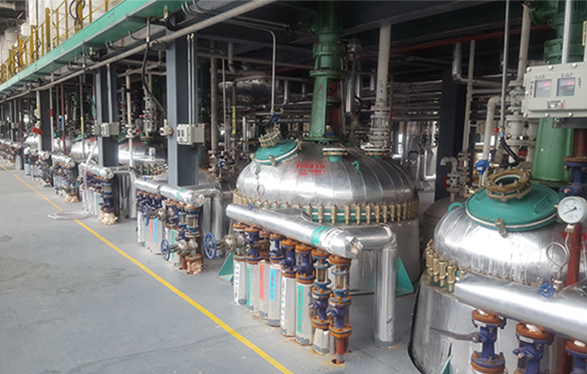
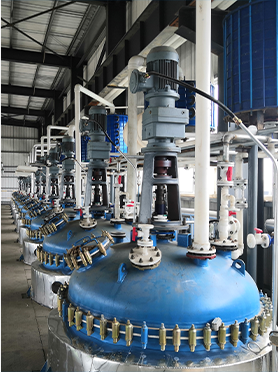
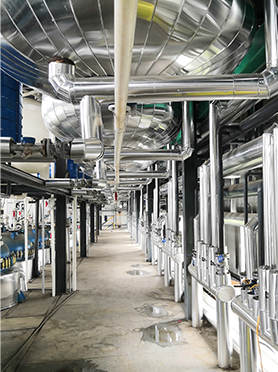
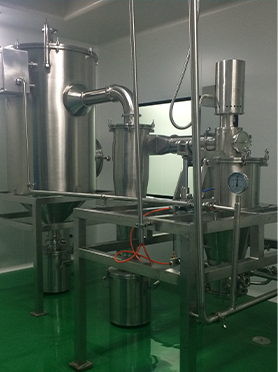
Manufacturing Facilities
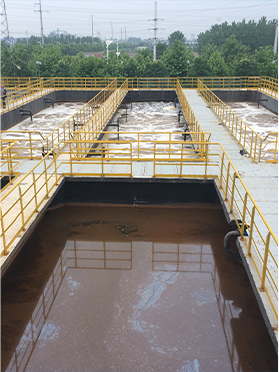
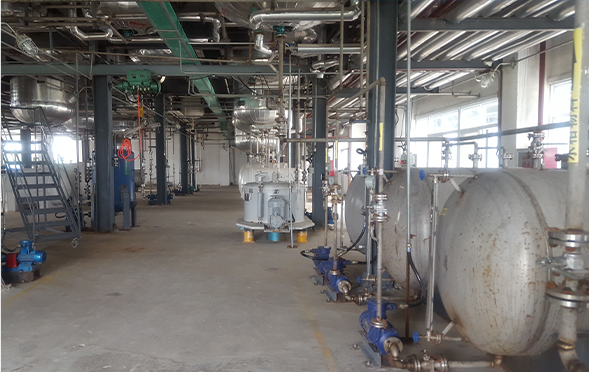
Professional Export Experience
to Global Customers
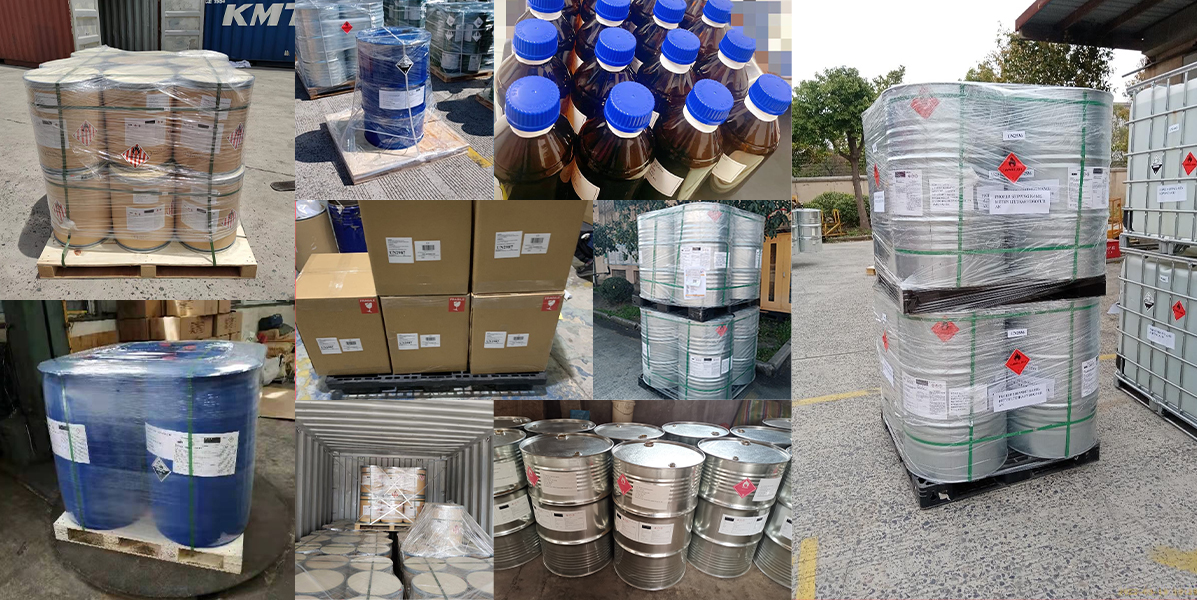
1. 20 years of R&D, manufacturing and sales experience, serving customers in 60 countries and regions around the world;
2. Own R&D laboratory, pilot platform and large-scale production workshop, which can meet the audit requirements of global customers;
3. We can satisfy customers' perfect transition from small scale lab requirements (gram level) to commercialization requirements (hundred tons level).
A: We don't have Minimum Order Quantity, exact quantity should be provided before quotation for us to calculate the exact cost.
A: We don't provide free samples due to lots of request and expensive international courier's cost, we can deduct the sample charge after commercial order placed.
A: Our payment terms: Small or sample order: T/T IN ADVANCE. Commercial order: First order should be by T/T IN ADVANCE or L/C at sight, and following orders T/T 30~90days is acceptable subject to approval of credit application.