
Custom Manufacturing, Project Outsourcing, your Trusted Partner from China
In the ongoing battle against bacterial infections, the emergence of drug-resistant strains presents a significant global health challenge. Among the arsenal of effective antibiotics, Gentamicin Sulfate stands out as a critical player, particularly for its role in treating severe infections that other agents may fail to manage. Understanding the precise gentamicin sulfate mechanism of action is key to appreciating its effectiveness and the ongoing research into its applications.
Gentamicin Sulfate belongs to the aminoglycoside class of antibiotics. Its primary mode of action involves irreversibly binding to the 30S subunit of bacterial ribosomes. This binding interferes with the bacteria's ability to synthesize essential proteins, a process vital for their survival. By causing misreading of mRNA and inhibiting translocation, Gentamicin Sulfate effectively leads to bacterial cell death, making it a potent bactericidal agent. This specific mechanism is crucial when dealing with infections caused by pathogens that have developed resistance to other antibiotic classes.
The gentamicin sulfate uses are extensive, covering a broad spectrum of serious infections. It is frequently employed to treat Gram-negative bacterial infections, including those caused by Pseudomonas aeruginosa, Escherichia coli, and Klebsiella species. This makes it indispensable for managing conditions such as sepsis, pneumonia, meningitis, urinary tract infections, and bone and soft tissue infections. Its efficacy in these critical situations underscores its importance in clinical practice.
However, like all potent medications, Gentamicin Sulfate comes with potential risks, primarily nephrotoxicity (kidney damage) and ototoxicity (damage to the auditory and vestibular systems, leading to hearing loss or balance issues). The likelihood of these gentamicin sulfate side effects is often dose-dependent and can be exacerbated by prolonged treatment duration or pre-existing kidney impairment. Therefore, careful monitoring of renal function and auditory assessments are paramount, especially for high-risk patients. This highlights the importance of precise gentamicin sulfate dosage management and understanding gentamicin sulfate drug interactions with other medications that might also affect kidney or ear function.
Recent research continues to explore how to optimize Gentamicin Sulfate therapy, particularly in light of increasing bacterial resistance. Studies focus on identifying optimal dosing strategies, combining it with other agents, and understanding patient factors that might influence efficacy and toxicity. The development of new analytical methods also aids in better monitoring of gentamicin sulfate levels in patients, ensuring therapeutic efficacy while minimizing adverse effects. For healthcare providers, staying updated on the latest clinical guidelines and research is vital for safe and effective bacterial infection treatment using Gentamicin Sulfate. The ongoing commitment to understanding and mitigating gentamicin sulfate toxicity ensures its continued value in medicine.
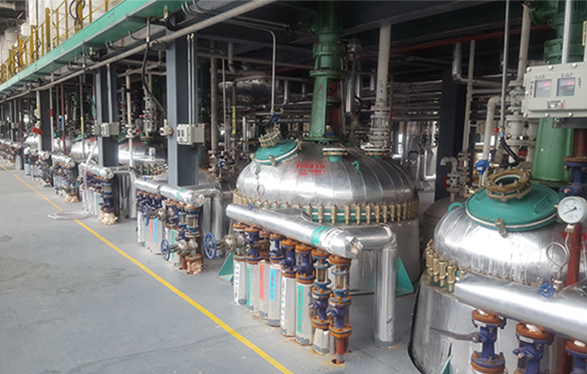
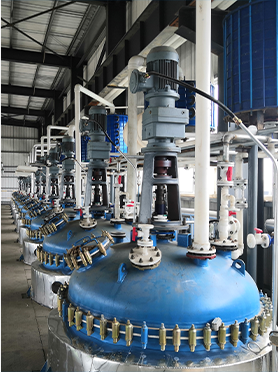
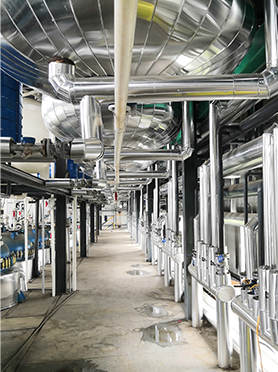
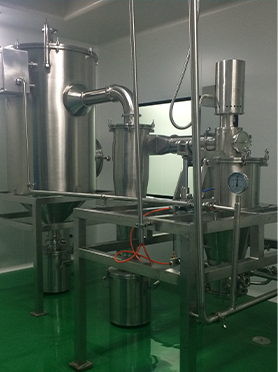
Manufacturing Facilities
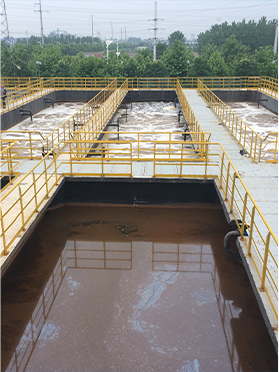
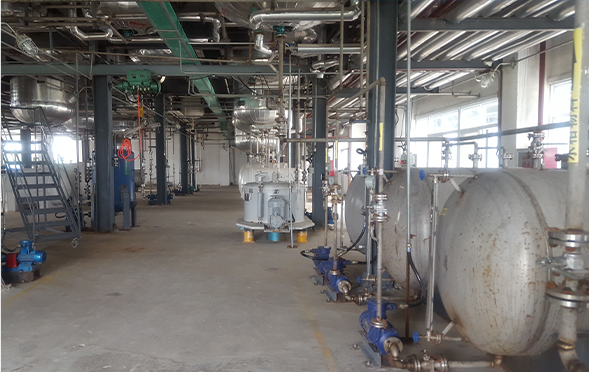
Professional Export Experience
to Global Customers
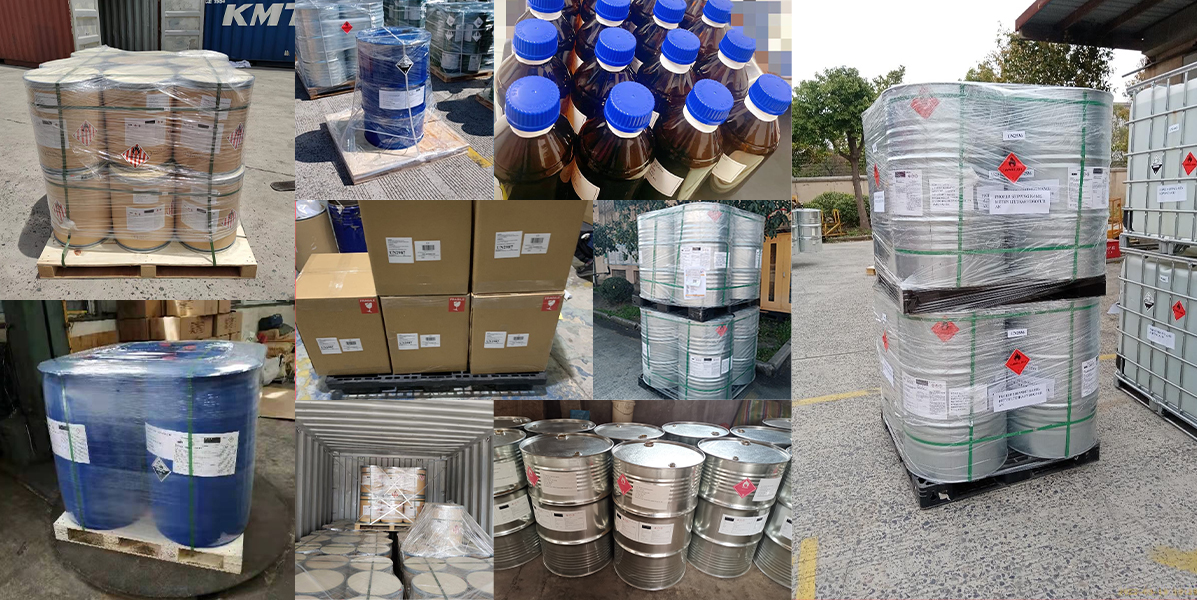
1. 20 years of R&D, manufacturing and sales experience, serving customers in 60 countries and regions around the world;
2. Own R&D laboratory, pilot platform and large-scale production workshop, which can meet the audit requirements of global customers;
3. We can satisfy customers' perfect transition from small scale lab requirements (gram level) to commercialization requirements (hundred tons level).
A: We don't have Minimum Order Quantity, exact quantity should be provided before quotation for us to calculate the exact cost.
A: We don't provide free samples due to lots of request and expensive international courier's cost, we can deduct the sample charge after commercial order placed.
A: Our payment terms: Small or sample order: T/T IN ADVANCE. Commercial order: First order should be by T/T IN ADVANCE or L/C at sight, and following orders T/T 30~90days is acceptable subject to approval of credit application.