
Custom Manufacturing, Project Outsourcing, your Trusted Partner from China
Gentamicin Sulfate is a powerful aminoglycoside antibiotic widely utilized in clinical practice to combat serious bacterial infections. For healthcare providers, a thorough understanding of its pharmacological properties, indications, contraindications, and potential adverse effects is crucial for ensuring patient safety and therapeutic efficacy. This overview provides essential information for the effective management of patients receiving Gentamicin Sulfate.
The primary indications for Gentamicin Sulfate include severe infections caused by susceptible Gram-negative bacteria and certain Gram-positive organisms. This encompasses a range of conditions such as sepsis, pneumonia, meningitis, urinary tract infections, and bone and soft tissue infections. Its broad spectrum of activity and bactericidal nature make it an indispensable agent, particularly in cases where other antibiotics may be ineffective or contraindicated. However, it is critical to obtain cultures and susceptibility testing to confirm bacterial susceptibility to Gentamicin Sulfate before or during treatment.
Key contraindications for Gentamicin Sulfate include known hypersensitivity to the drug or other aminoglycosides. Caution must be exercised in patients with pre-existing renal impairment, neuromuscular disorders, or hearing impairment, as these conditions can increase the risk of toxicity. The gentamicin sulfate drug interactions are also a significant consideration. Concurrent use with other nephrotoxic or ototoxic agents, such as potent diuretics, cisplatin, or other aminoglycosides, requires careful risk-benefit assessment and close monitoring.
The management of gentamicin sulfate side effects is a critical aspect of patient care. Nephrotoxicity and ototoxicity are the most significant concerns, potentially leading to irreversible kidney or hearing damage. Healthcare providers must monitor renal function regularly (e.g., serum creatinine, BUN, creatinine clearance) and consider audiological assessments, especially in high-risk individuals or those on prolonged therapy. Dosage adjustments based on these parameters and therapeutic drug monitoring (measuring peak and trough serum levels) are essential to maintain efficacy while minimizing toxicity.
Patient education regarding the importance of completing the full course of therapy, reporting any adverse symptoms, and attending scheduled monitoring appointments is vital. By understanding the gentamicin sulfate mechanism of action and adhering to best practices in its administration and monitoring, healthcare professionals can effectively leverage this potent antibiotic to treat bacterial infections and improve patient outcomes.
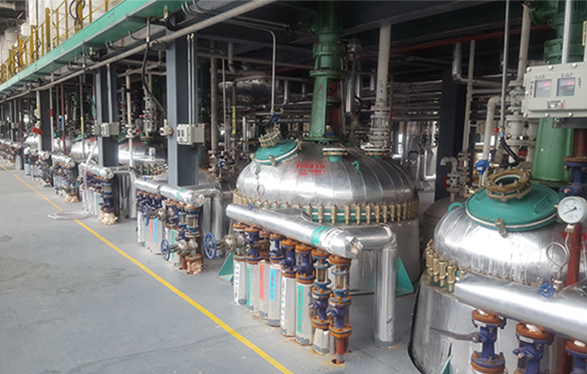
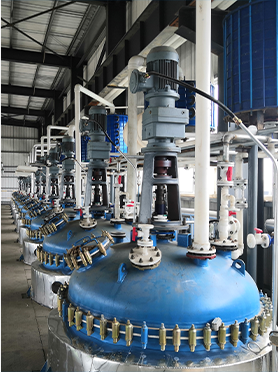
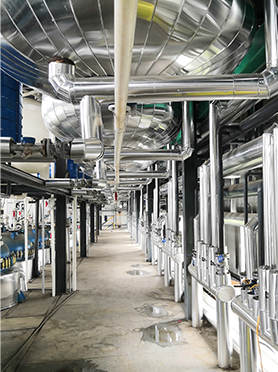
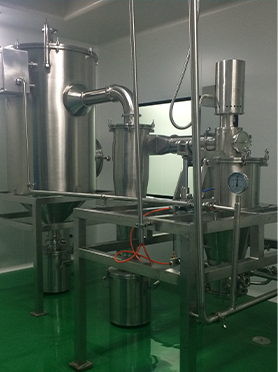
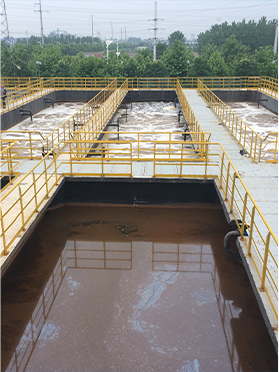
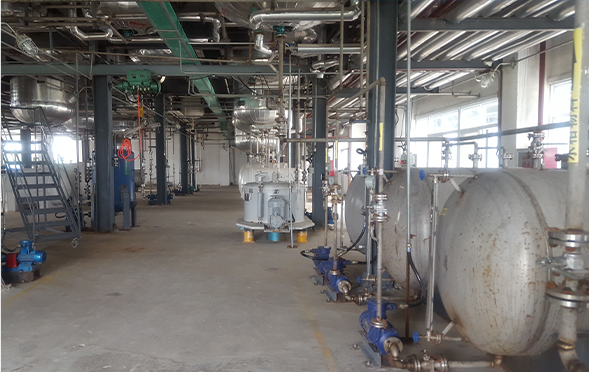
Manufacturing Facilities
Professional Export Experience
to Global Customers
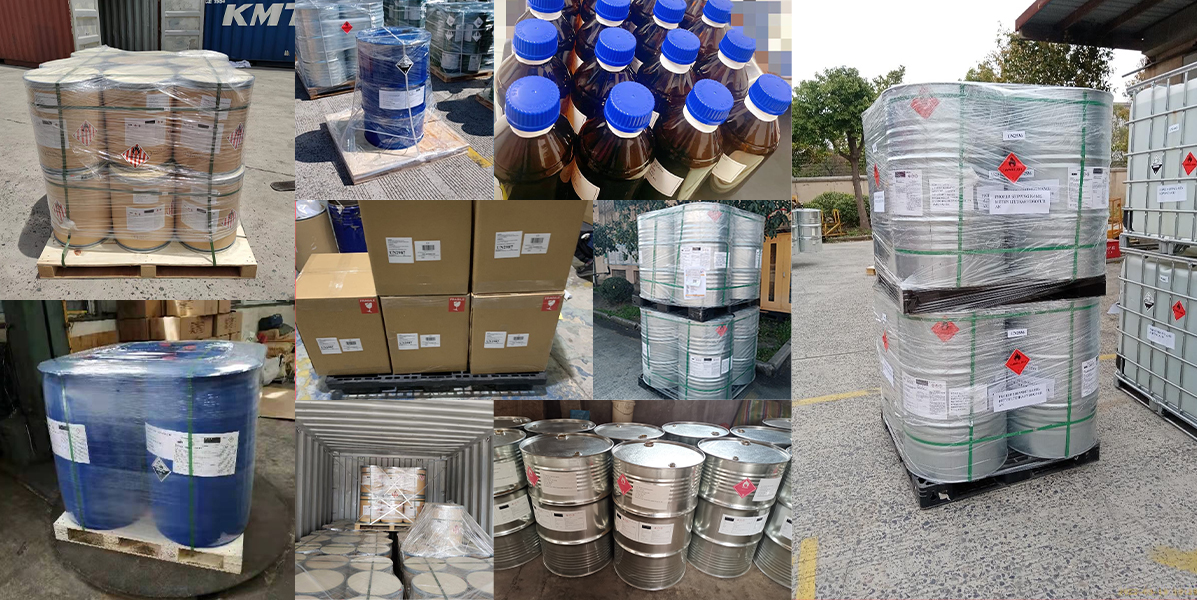
1. 20 years of R&D, manufacturing and sales experience, serving customers in 60 countries and regions around the world;
2. Own R&D laboratory, pilot platform and large-scale production workshop, which can meet the audit requirements of global customers;
3. We can satisfy customers' perfect transition from small scale lab requirements (gram level) to commercialization requirements (hundred tons level).
A: We don't have Minimum Order Quantity, exact quantity should be provided before quotation for us to calculate the exact cost.
A: We don't provide free samples due to lots of request and expensive international courier's cost, we can deduct the sample charge after commercial order placed.
A: Our payment terms: Small or sample order: T/T IN ADVANCE. Commercial order: First order should be by T/T IN ADVANCE or L/C at sight, and following orders T/T 30~90days is acceptable subject to approval of credit application.