
Custom Manufacturing, Project Outsourcing, your Trusted Partner from China
The global chemical industry is undergoing a significant transformation, driven by an increasing emphasis on environmental sustainability and occupant safety. Within the realm of polymer additives, the shift from halogenated flame retardants to halogen-free alternatives is one of the most pronounced trends. Phosphate esters, particularly Bisphenol A Bis(diphenyl phosphate) (BDP), have emerged as leading solutions in this category. For R&D scientists and purchasing managers, understanding this transition and the advantages of compounds like BDP is essential for staying ahead. This article sheds light on why halogen-free flame retardants are gaining prominence and how BDP fits into this evolving landscape, offering guidance on sourcing.
The Environmental Imperative for Halogen-Free Solutions
Halogenated flame retardants (HFRs) have historically been effective in preventing fires. However, their use has come under scrutiny due to environmental and health concerns. When HFRs combust, they can release toxic and corrosive byproducts, such as dioxins and furans, posing risks during fires and at the end-of-life disposal stage. Regulations and consumer demand are increasingly pushing industries to adopt safer, more environmentally benign alternatives. This presents an opportunity for manufacturers to innovate and differentiate their products by incorporating compliant materials. When looking to buy, prioritizing suppliers who champion sustainable chemistry is a forward-thinking approach.
Phosphate Esters: The Leading Halogen-Free Category
Phosphate esters, a broad class of organophosphorus compounds, are at the forefront of halogen-free flame retardant technology. They function primarily through a condensed-phase mechanism, promoting char formation on the surface of polymers. This char layer acts as a physical barrier, insulating the underlying material from heat and oxygen, thereby suppressing combustion. Among these, aromatic phosphate esters like Bisphenol A Bis(diphenyl phosphate) (BDP), CAS 5945-33-5, offer a unique balance of performance characteristics.
Bisphenol A Bis(diphenyl phosphate) (BDP): Key Advantages
BDP stands out due to its remarkable properties, making it a preferred choice for demanding applications:
For procurement professionals, understanding these benefits is crucial when deciding to purchase BDP. Engaging with manufacturers who provide transparent data and consistent quality is paramount.
Applications and Sourcing Considerations
BDP is extensively used in industries where fire safety is critical, such as electronics (housings for TVs, computers), automotive components, and construction materials. When sourcing BDP, it is recommended to:
The increasing demand for safer, sustainable materials makes halogen-free flame retardants like BDP indispensable. By understanding their advantages and carefully selecting suppliers, manufacturers can ensure their products meet evolving safety and environmental standards.
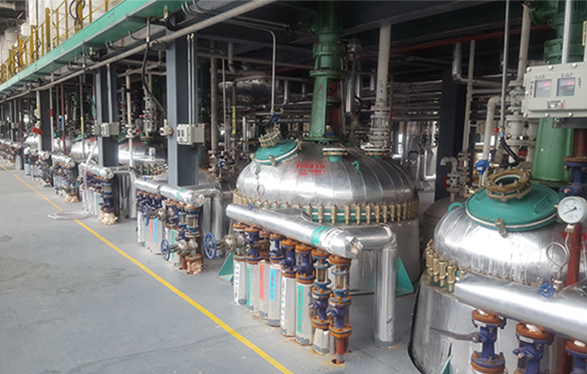
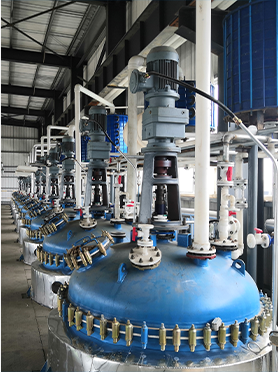
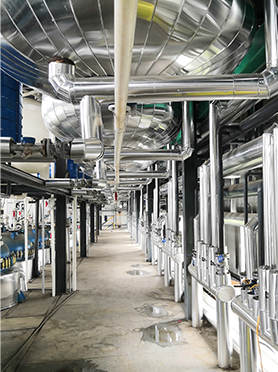
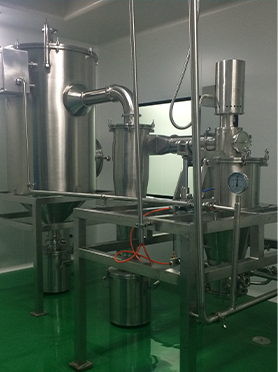
Manufacturing Facilities
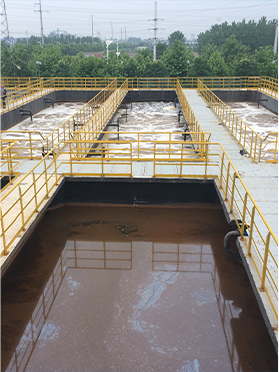
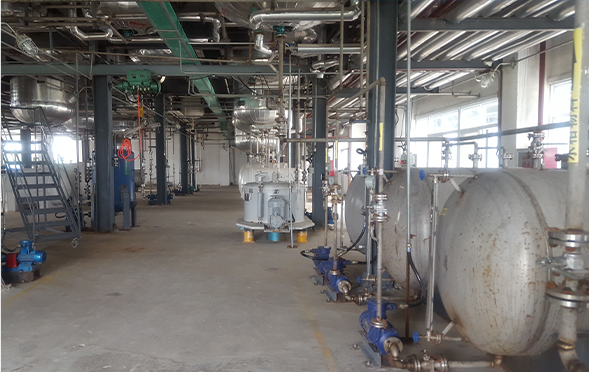
Professional Export Experience
to Global Customers
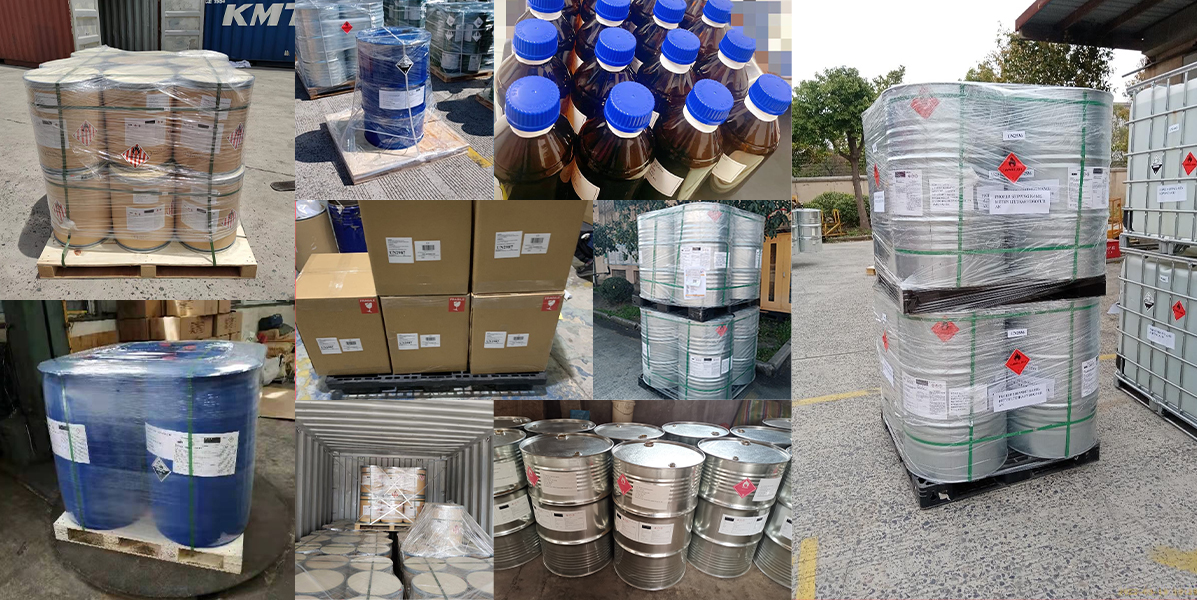
1. 20 years of R&D, manufacturing and sales experience, serving customers in 60 countries and regions around the world;
2. Own R&D laboratory, pilot platform and large-scale production workshop, which can meet the audit requirements of global customers;
3. We can satisfy customers' perfect transition from small scale lab requirements (gram level) to commercialization requirements (hundred tons level).
A: We don't have Minimum Order Quantity, exact quantity should be provided before quotation for us to calculate the exact cost.
A: We don't provide free samples due to lots of request and expensive international courier's cost, we can deduct the sample charge after commercial order placed.
A: Our payment terms: Small or sample order: T/T IN ADVANCE. Commercial order: First order should be by T/T IN ADVANCE or L/C at sight, and following orders T/T 30~90days is acceptable subject to approval of credit application.