
Custom Manufacturing, Project Outsourcing, your Trusted Partner from China
The field of electronic materials is continuously pushing boundaries, demanding compounds with exceptional purity and precisely tuned properties. Among these, organometallic complexes, particularly those based on iridium, have garnered significant attention for their unique luminescent and electronic characteristics. Tris(2-phenylpyridine)iridium (Ir(ppy)₃), a prominent member of this class, is indispensable for developing next-generation electronic devices, most notably Organic Light-Emitting Diodes (OLEDs). As a dedicated manufacturer and supplier of high-purity chemicals, we aim to equip the industry with materials that enable cutting-edge innovation.
The Significance of Purity in Electronic Materials
In the context of electronic applications, especially in OLEDs, even trace amounts of impurities can profoundly affect device performance. Impurities can act as charge traps, quenching sites for excitons, or catalysts for degradation pathways. This can lead to reduced efficiency, altered emission colors, and a significant decrease in device lifetime. Therefore, sourcing electronic-grade materials like Tris(2-phenylpyridine)iridium (CAS 94928-86-6) from reliable manufacturers who prioritize purity is not just a recommendation, but a necessity.
Our Ir(ppy)₃ is synthesized and purified to meet the demanding standards of the electronic materials industry. This ensures that when you buy our product, you are investing in a material that will perform consistently and reliably in your advanced applications. We pride ourselves on offering competitive pricing for materials that guarantee high performance and purity, supporting your research and manufacturing goals.
Ir(ppy)₃: A Key Enabler for OLED Technology
Tris(2-phenylpyridine)iridium is widely recognized for its exceptional phosphorescent properties, particularly its efficient green emission. This characteristic makes it a primary emitter material for green pixels in OLED displays, contributing to their high brightness, wide color gamut, and low power consumption. The complex's ability to achieve nearly 100% internal quantum efficiency by harvesting both singlet and triplet excitons is a critical advantage that directly translates into more energy-efficient and vibrant displays.
Beyond its luminescent properties, Ir(ppy)₃ also exhibits relevant electrochemical characteristics that contribute to efficient charge injection and transport within the OLED structure. Its stability and well-defined emission spectrum make it a benchmark material that researchers and engineers rely on for device optimization and development.
Versatility Beyond OLEDs
While OLEDs represent its most prominent application, the unique attributes of Ir(ppy)₃ extend its utility to other areas of advanced materials research:
For any entity involved in the development or production of these advanced materials, securing a dependable supply of high-purity Tris(2-phenylpyridine)iridium is essential. As a leading supplier based in China, we are equipped to meet your needs for quality and volume. We invite you to contact us for more information and to request a quote for our premium Ir(ppy)₃.
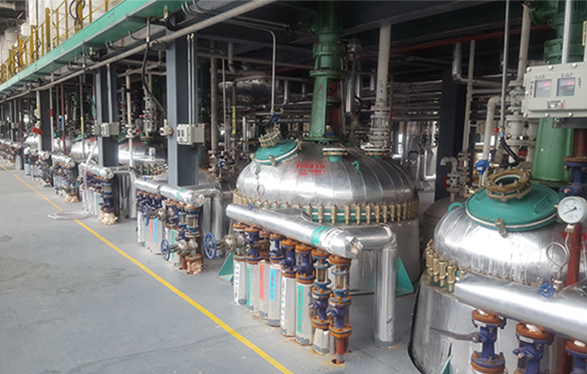
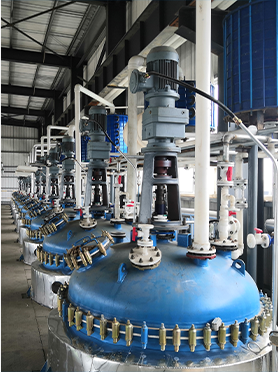
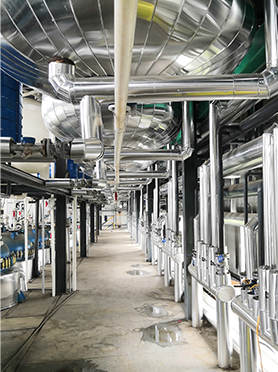
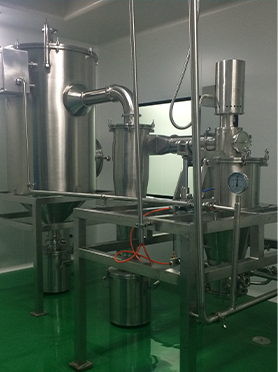
Manufacturing Facilities
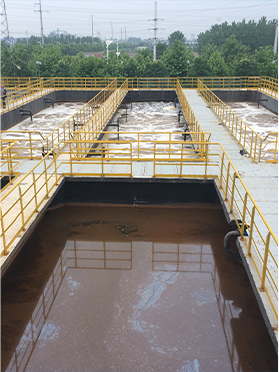
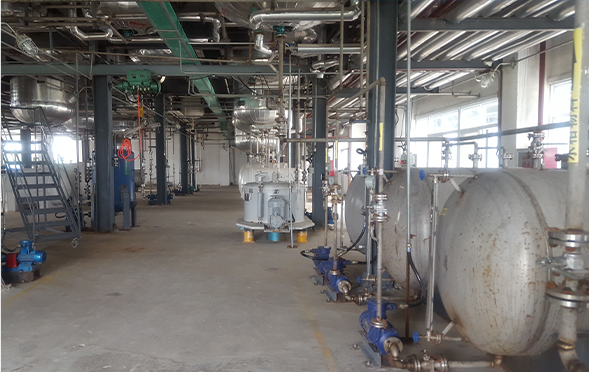
Professional Export Experience
to Global Customers
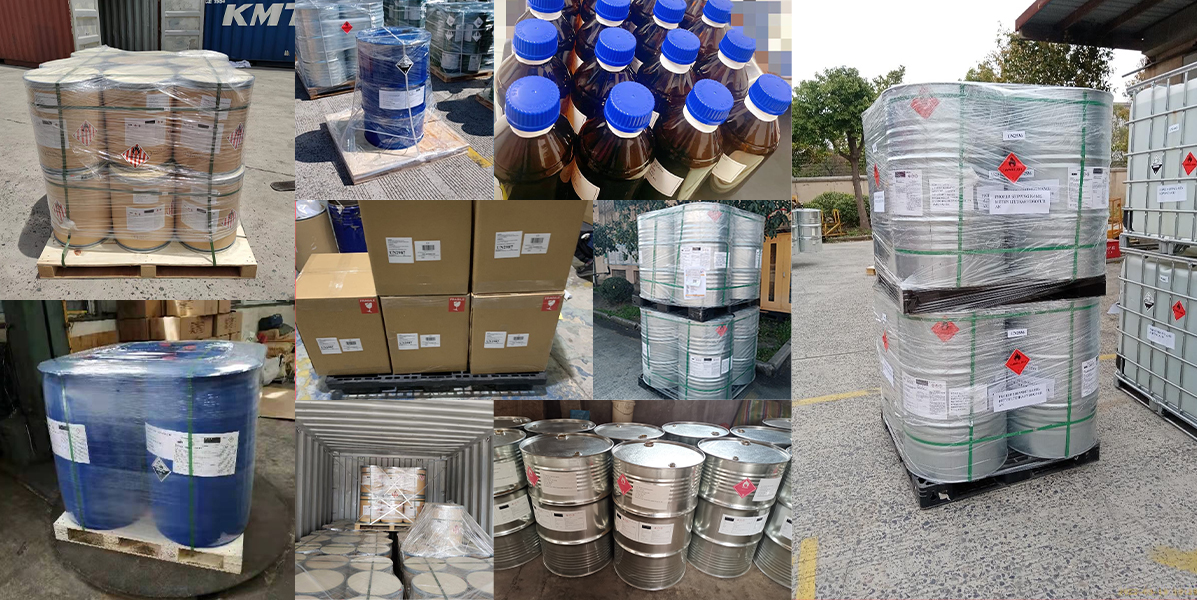
1. 20 years of R&D, manufacturing and sales experience, serving customers in 60 countries and regions around the world;
2. Own R&D laboratory, pilot platform and large-scale production workshop, which can meet the audit requirements of global customers;
3. We can satisfy customers' perfect transition from small scale lab requirements (gram level) to commercialization requirements (hundred tons level).
A: We don't have Minimum Order Quantity, exact quantity should be provided before quotation for us to calculate the exact cost.
A: We don't provide free samples due to lots of request and expensive international courier's cost, we can deduct the sample charge after commercial order placed.
A: Our payment terms: Small or sample order: T/T IN ADVANCE. Commercial order: First order should be by T/T IN ADVANCE or L/C at sight, and following orders T/T 30~90days is acceptable subject to approval of credit application.