Custom Manufacturing, Project Outsourcing, your Trusted Partner from China
The rapid progress in organic electronics, encompassing technologies like Organic Light-Emitting Diodes (OLEDs), Organic Field-Effect Transistors (OFETs), and Organic Photovoltaics (OPVs), hinges on the development and availability of high-performance organic semiconducting materials. These materials are typically conjugated polymers, constructed from precisely engineered monomer units. Among the most effective monomer classes are bithiophene derivatives, prized for their electronic properties and synthetic versatility. This article highlights the importance of Didodecyl-2,2'-bithiophene, a key monomer, and the critical need for its high purity in advancing organic electronic applications.
The Significance of Monomer Purity in Organic Electronics
In the realm of organic electronics, even minute impurities in monomer starting materials can have a profound impact on the final polymer's performance. Impurities can act as charge traps, disrupt molecular ordering, and lead to premature device degradation, all of which negatively affect critical performance metrics such as charge carrier mobility, luminous efficiency, and operational lifetime. Therefore, securing monomers with consistently high purity—typically exceeding 97% or even 98%—is non-negotiable for researchers and manufacturers aiming to produce state-of-the-art organic electronic devices.
Bithiophene units, consisting of two linked thiophene rings, form the backbone of many highly successful semiconducting polymers. Their planar structure and electron-rich nature facilitate effective π–π stacking, crucial for efficient charge transport. However, the solubility of many simple bithiophene-based polymers is often poor, limiting their processability. This is where functionalization with alkyl side chains, such as the dodecyl groups in Didodecyl-2,2'-bithiophene, becomes indispensable.
Didodecyl-2,2'-bithiophene: Enhancing Processability and Performance
Didodecyl-2,2'-bithiophene (CAS: 345633-76-3) is a prime example of a functionalized bithiophene monomer designed to overcome solubility limitations. The long, flexible dodecyl chains appended to the bithiophene core significantly boost the solubility of the resultant polymers in organic solvents. This improved solubility is paramount for enabling solution-based fabrication techniques like spin-coating, blade-coating, or inkjet printing, which are essential for cost-effective, large-scale production of flexible electronic devices. Moreover, these side chains can also influence the solid-state morphology, promoting better molecular packing and thus enhancing charge transport properties, which directly translates to higher performance in OFETs and OLEDs.
The monomer itself is typically synthesized with reactive end groups, commonly bromines at the 5 and 5' positions. These bromides are ideal reactive sites for polymerization reactions, such as palladium-catalyzed cross-coupling reactions (e.g., Stille coupling), which are standard methods for building conjugated polymer chains. Polymers like PBTTT-C12 and PQT12, synthesized using this monomer, are renowned for their excellent charge mobilities and stability, making them highly sought after for advanced applications.
Reliable Sourcing for Critical Monomers
For those looking to buy or purchase Didodecyl-2,2'-bithiophene, identifying reliable suppliers is key to project success. Manufacturers specializing in high-purity organic electronic materials, particularly those operating in China, are major sources for such critical intermediates. It is important to work with manufacturers who can provide rigorous quality control, detailed analytical data (like NMR spectra confirming purity), and consistent batch-to-batch quality. Access to samples and competitive pricing further supports the commercial viability of utilizing these advanced materials. Engaging with established chemical suppliers ensures a stable and trustworthy supply chain, allowing researchers and developers to focus on innovation rather than material sourcing challenges.
In conclusion, the performance of modern organic electronic devices is deeply rooted in the quality of the fundamental chemical building blocks used. Didodecyl-2,2'-bithiophene, with its judicious combination of a semiconducting bithiophene core and processability-enhancing dodecyl side chains, is a vital monomer. By prioritizing high-purity materials obtained from reputable manufacturers, the field of organic electronics can continue to push the boundaries of innovation.
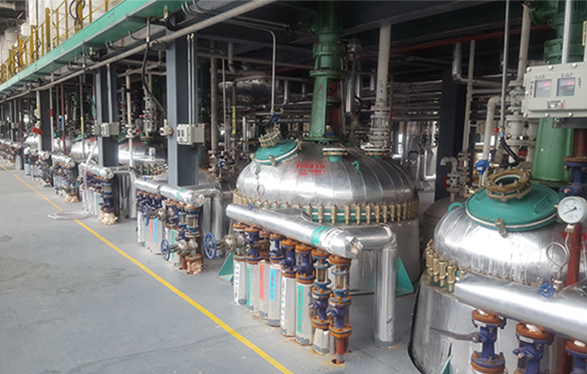
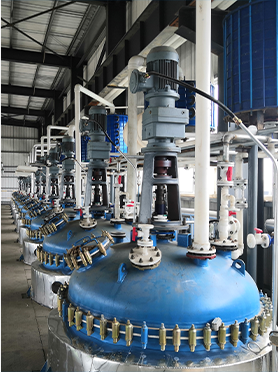
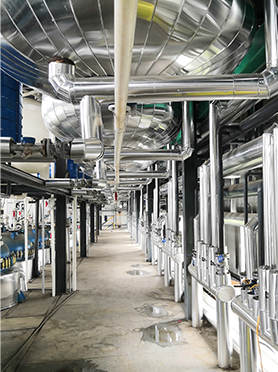
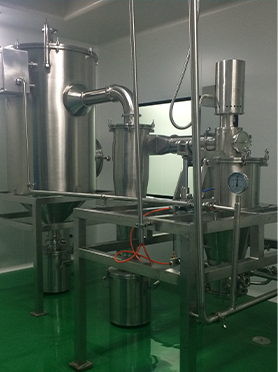
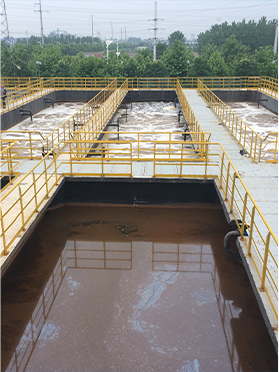
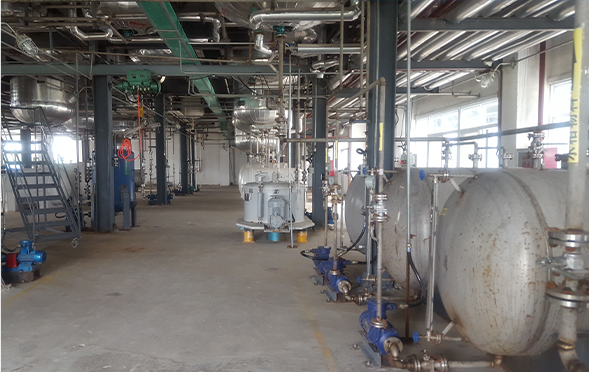
Manufacturing Facilities
Professional Export Experience
to Global Customers
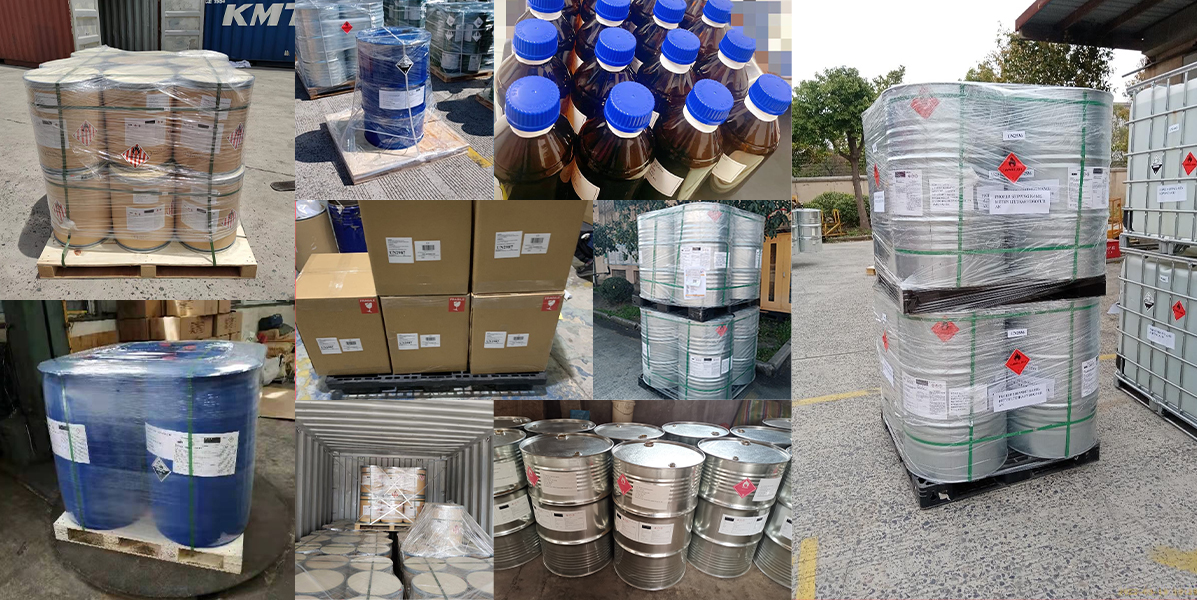
1. 20 years of R&D, manufacturing and sales experience, serving customers in 60 countries and regions around the world;
2. Own R&D laboratory, pilot platform and large-scale production workshop, which can meet the audit requirements of global customers;
3. We can satisfy customers' perfect transition from small scale lab requirements (gram level) to commercialization requirements (hundred tons level).
A: We don't have Minimum Order Quantity, exact quantity should be provided before quotation for us to calculate the exact cost.
A: We don't provide free samples due to lots of request and expensive international courier's cost, we can deduct the sample charge after commercial order placed.
A: Our payment terms: Small or sample order: T/T IN ADVANCE. Commercial order: First order should be by T/T IN ADVANCE or L/C at sight, and following orders T/T 30~90days is acceptable subject to approval of credit application.