
Custom Manufacturing, Project Outsourcing, your Trusted Partner from China
In the demanding world of organic electronics, particularly in the fabrication of high-performance Organic Light-Emitting Diodes (OLEDs), the purity of constituent materials is a non-negotiable prerequisite for success. For professionals involved in purchasing and research, understanding which materials are critical and what purity levels are essential is key to achieving desired device characteristics. This guide focuses on 1,3-bis[3,5-di(pyridin-3-yl)phenyl]benzene (CAS: 1030380-38-1), a compound widely utilized for its electron transport and hole-blocking capabilities in OLEDs.
The Critical Role of 1,3-bis[3,5-di(pyridin-3-yl)phenyl]benzene in OLEDs
As discussed in various technical resources, 1,3-bis[3,5-di(pyridin-3-yl)phenyl]benzene serves dual purposes in OLED devices: it functions as an Electron Transport Layer (ETL) material and a Hole Blocking Layer (HBL) material. Its molecular design provides it with high electron mobility and an electron-deficient character, facilitating efficient electron injection and transport while simultaneously preventing holes from migrating prematurely. This precise charge management is fundamental to achieving high luminous efficiency, optimal device longevity, and superior color quality in OLED displays.
Why Purity Matters: The Impact on OLED Performance
The performance of an OLED device is exquisitely sensitive to the purity of its organic components. For 1,3-bis[3,5-di(pyridin-3-yl)phenyl]benzene, impurities can:
This is why for demanding OLED applications, materials are often specified with high purity levels, frequently exceeding 97% or 99% as determined by High-Performance Liquid Chromatography (HPLC). Sublimation is a common purification technique used to achieve these stringent standards, making sublimed-grade materials highly sought after.
Navigating the Market: Sourcing and Buying Strategies
For businesses looking to buy 1,3-bis[3,5-di(pyridin-3-yl)phenyl]benzene, understanding the global supply landscape is essential. China has emerged as a significant hub for the manufacturing of high-purity organic electronic materials. Many leading chemical suppliers and manufacturers are based here, offering competitive pricing and a broad range of product grades. When seeking to purchase this material, consider the following:
If your research or production requires a reliable source of high-purity 1,3-bis[3,5-di(pyridin-3-yl)phenyl]benzene, engaging with established manufacturers in China can provide a robust solution. We invite you to explore our offerings and contact us for a quote to ensure your OLED projects are built on a foundation of material excellence.
Manufacturing Facilities
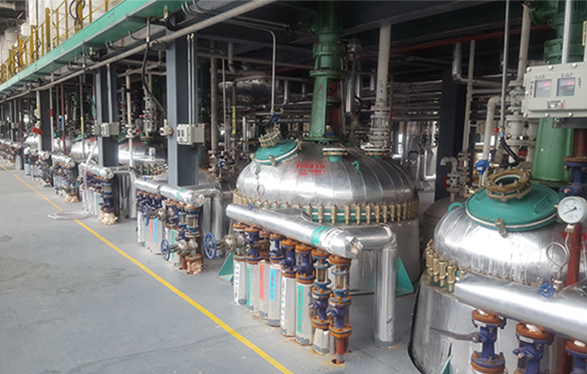
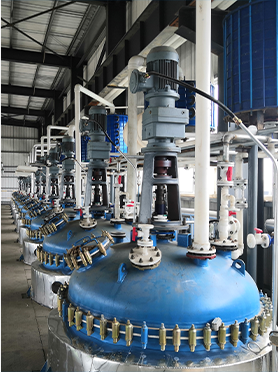
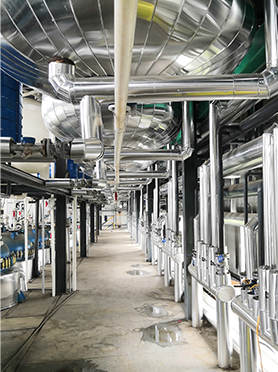
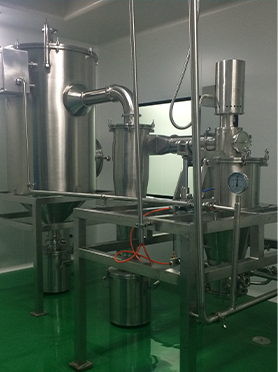
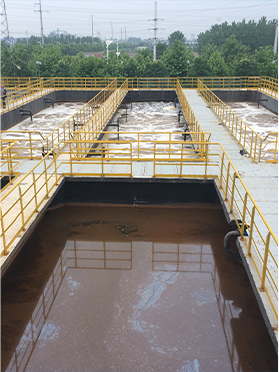
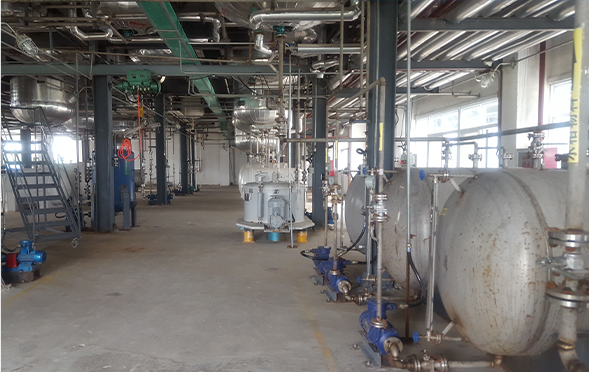
Professional Export Experience
to Global Customers
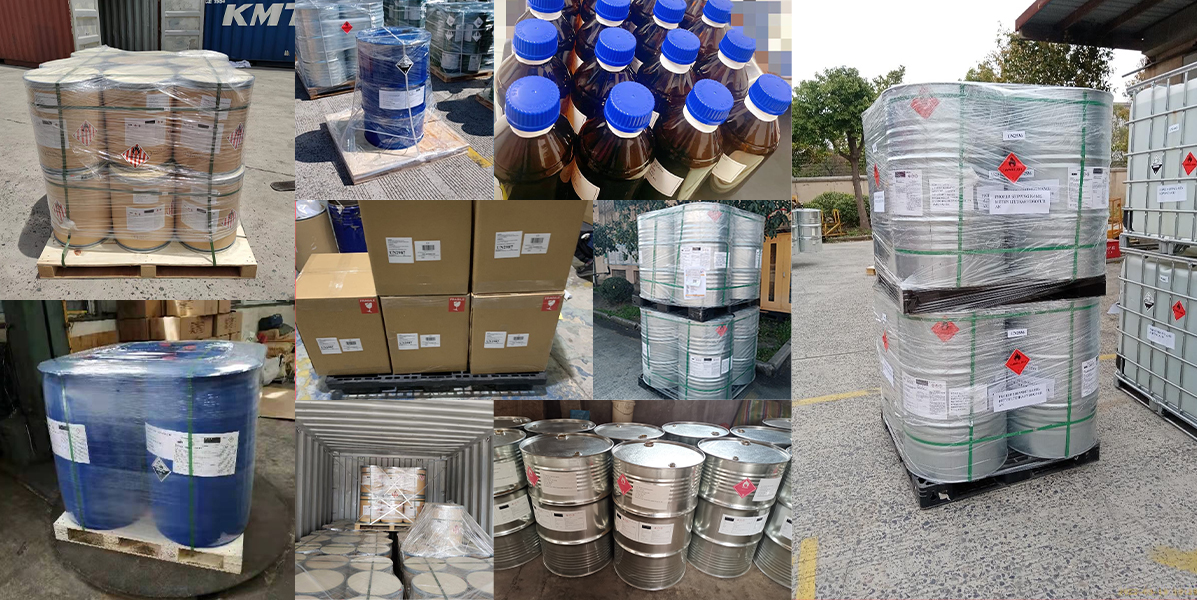
1. 20 years of R&D, manufacturing and sales experience, serving customers in 60 countries and regions around the world;
2. Own R&D laboratory, pilot platform and large-scale production workshop, which can meet the audit requirements of global customers;
3. We can satisfy customers' perfect transition from small scale lab requirements (gram level) to commercialization requirements (hundred tons level).
A: We don't have Minimum Order Quantity, exact quantity should be provided before quotation for us to calculate the exact cost.
A: We don't provide free samples due to lots of request and expensive international courier's cost, we can deduct the sample charge after commercial order placed.
A: Our payment terms: Small or sample order: T/T IN ADVANCE. Commercial order: First order should be by T/T IN ADVANCE or L/C at sight, and following orders T/T 30~90days is acceptable subject to approval of credit application.