
Custom Manufacturing, Project Outsourcing, your Trusted Partner from China
The effectiveness of Hydroxypropyl Methyl Cellulose (HPMC) in construction materials, particularly in enhancing water retention in mortars, is rooted in its unique chemical structure and physical properties. For R&D scientists and product formulators, understanding this mechanism is key to leveraging HPMC's full potential. As a leading manufacturer and supplier, we provide insights into how this versatile cellulose ether performs its vital function, ensuring you can effectively specify and use it in your formulations.
At its core, HPMC is a modified cellulose polymer. The modification involves the introduction of hydroxypropyl and methoxy groups along the cellulose backbone. These functional groups are highly hydrophilic, meaning they have a strong affinity for water molecules. When HPMC powder is mixed with water, these hydrophilic groups interact with water molecules through hydrogen bonding. This process effectively 'binds' the free water within the mixture, transforming it into a gel-like state or significantly increasing the solution's viscosity.
This increased viscosity is central to HPMC's water retention ability. The viscous network formed by HPMC molecules slows down the migration of water molecules. In a mortar mix, this means that water is held more effectively within the paste, reducing the rate at which it can evaporate into the air or be absorbed by porous substrates like brick or concrete. This controlled release of water is crucial for several reasons:
The film-forming capability of HPMC also contributes to water retention. As the mortar begins to dry, HPMC can form a thin, protective film on the surface, acting as a barrier that further limits moisture loss. This is particularly beneficial in thin-bed applications and finishes.
For procurement managers and R&D scientists, selecting the appropriate HPMC grade is essential to optimize these water retention benefits. Factors like viscosity, particle size, and the degree of substitution can influence how effectively HPMC binds water. When you buy HPMC, understanding these specifications from a trusted supplier like us ensures you get a product tailored for your specific needs, whether it’s for high-temperature applications or general-purpose mortars.
In conclusion, the mechanism behind HPMC's water retention is a sophisticated interplay of its hydrophilic groups, viscosity-enhancing capabilities, and film-forming properties. By effectively binding and controlling water release, HPMC is indispensable for achieving high-performance, durable, and easy-to-apply construction materials. Partner with us to source high-quality HPMC and unlock these critical performance enhancements for your products.
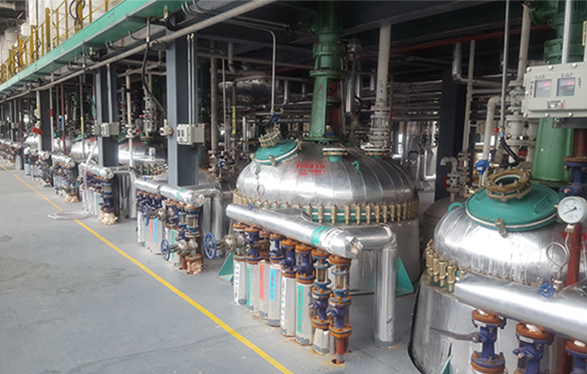
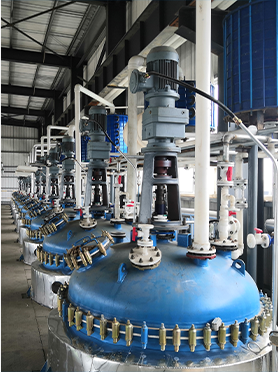
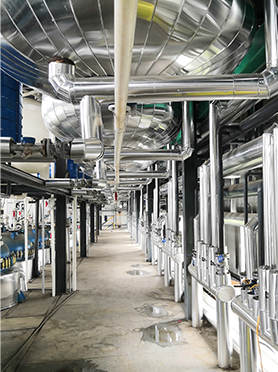
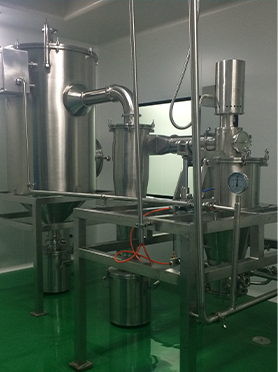
Manufacturing Facilities
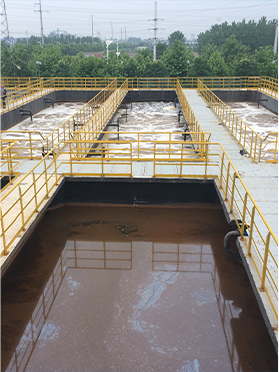
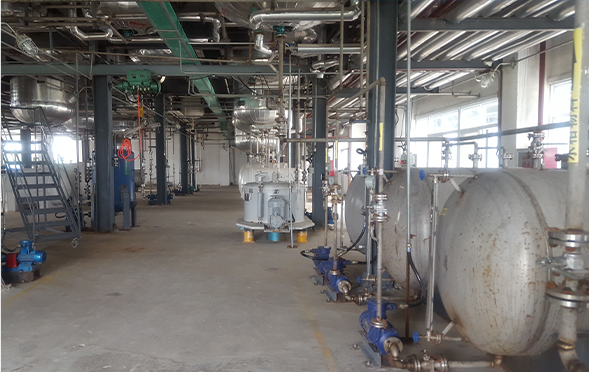
Professional Export Experience
to Global Customers
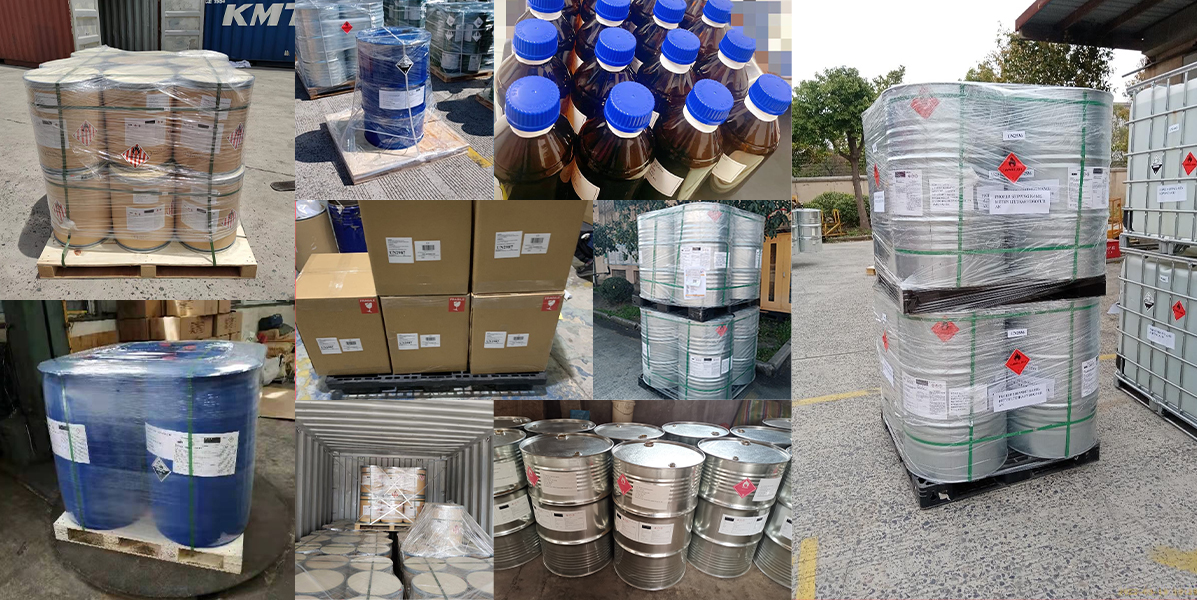
1. 20 years of R&D, manufacturing and sales experience, serving customers in 60 countries and regions around the world;
2. Own R&D laboratory, pilot platform and large-scale production workshop, which can meet the audit requirements of global customers;
3. We can satisfy customers' perfect transition from small scale lab requirements (gram level) to commercialization requirements (hundred tons level).
A: We don't have Minimum Order Quantity, exact quantity should be provided before quotation for us to calculate the exact cost.
A: We don't provide free samples due to lots of request and expensive international courier's cost, we can deduct the sample charge after commercial order placed.
A: Our payment terms: Small or sample order: T/T IN ADVANCE. Commercial order: First order should be by T/T IN ADVANCE or L/C at sight, and following orders T/T 30~90days is acceptable subject to approval of credit application.