
Custom Manufacturing, Project Outsourcing, your Trusted Partner from China
In the formulation of construction materials such as dry mix mortar, tile adhesives, and wall putties, the properties of the additives are as crucial as the primary binders and aggregates. Among these additives, Hydroxypropyl Methylcellulose (HPMC) stands out for its multifaceted benefits, with its viscosity playing a particularly significant role in determining the final product’s performance. As a reputable manufacturer and supplier of HPMC based in China, we understand that selecting the correct viscosity grade is paramount for achieving optimal results in your construction applications.
The viscosity of an HPMC solution is primarily determined by its molecular weight and concentration. Higher molecular weight HPMC, or higher concentrations of HPMC, will result in a more viscous solution. This viscosity directly influences several key performance characteristics of construction materials. Firstly, it is intrinsically linked to the thickening ability of HPMC. A higher viscosity HPMC will impart greater thickness and body to the mortar or putty, improving its consistency and ease of application. This contributes to better rheological control, including enhanced sag resistance, which is vital for vertical applications, and improved trowelability.
Secondly, HPMC viscosity is closely correlated with its water retention capacity. As discussed previously, HPMC's hydrophilic nature allows it to bind water molecules. More viscous HPMC solutions tend to form a denser gel structure, which is more effective at trapping water and slowing down its evaporation. This enhanced water retention is critical for ensuring proper cement hydration, thereby contributing to higher final strengths and reduced cracking in cementitious products. The specific viscosity required can vary depending on the application; for instance, tile adhesives might benefit from medium viscosity HPMC for optimal spreadability and adhesion, while certain plasters might require higher viscosity grades for improved anti-sagging performance.
The choice of HPMC viscosity also affects other properties like film formation and stability. Higher viscosity grades generally form stronger, more continuous films, which can provide better barrier properties and stability. However, it's important to note that excessively high viscosity might sometimes negatively impact the dissolution rate or the overall workability if not properly formulated. As a leading HPMC supplier, we offer a comprehensive range of viscosity grades, from low to high, each tailored for specific construction applications. Our technical team is equipped to guide you in selecting the HPMC viscosity that best suits your formulation's needs, ensuring optimal performance, cost-effectiveness, and consistent quality. Reach out to us for a quote and expert advice on how our HPMC products can elevate your construction materials.
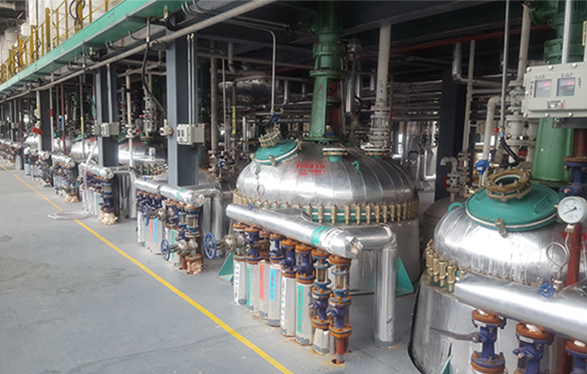
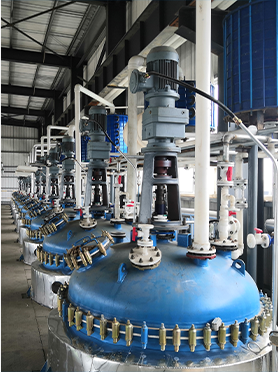
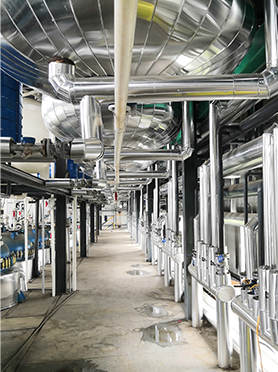
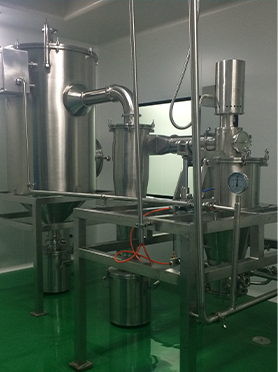
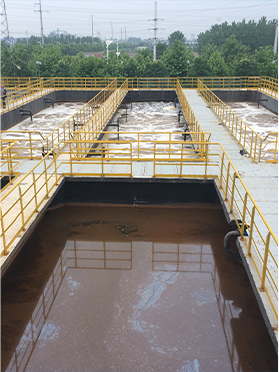
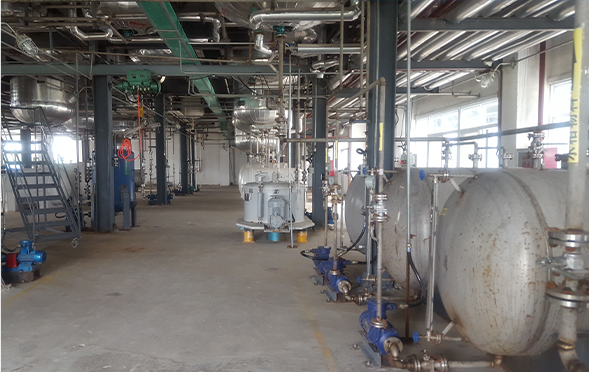
Manufacturing Facilities
Professional Export Experience
to Global Customers
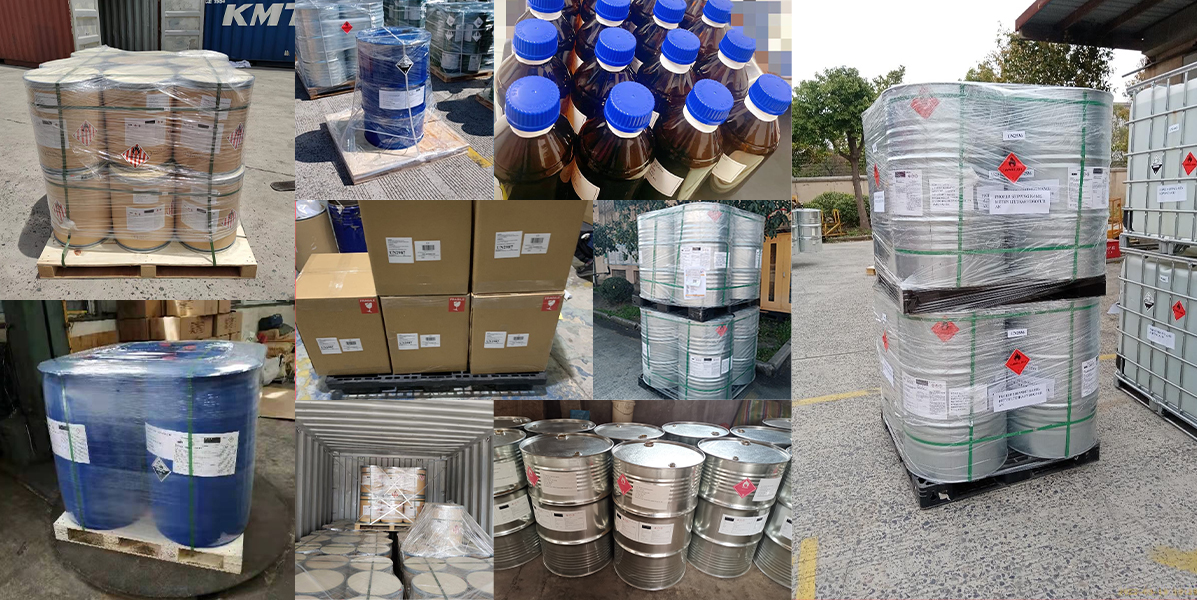
1. 20 years of R&D, manufacturing and sales experience, serving customers in 60 countries and regions around the world;
2. Own R&D laboratory, pilot platform and large-scale production workshop, which can meet the audit requirements of global customers;
3. We can satisfy customers' perfect transition from small scale lab requirements (gram level) to commercialization requirements (hundred tons level).
A: We don't have Minimum Order Quantity, exact quantity should be provided before quotation for us to calculate the exact cost.
A: We don't provide free samples due to lots of request and expensive international courier's cost, we can deduct the sample charge after commercial order placed.
A: Our payment terms: Small or sample order: T/T IN ADVANCE. Commercial order: First order should be by T/T IN ADVANCE or L/C at sight, and following orders T/T 30~90days is acceptable subject to approval of credit application.