
Custom Manufacturing, Project Outsourcing, your Trusted Partner from China
The world of cellulose ethers is vast, offering a range of products with distinct properties tailored for various industrial applications. Among these, Hydroxypropyl Methylcellulose (HPMC) is highly prominent. However, understanding its advantages and differences compared to other common cellulose ethers like Carboxymethyl Cellulose (CMC) and Hydroxyethyl Cellulose (HEC) is crucial for effective procurement and formulation. As a comprehensive supplier of cellulose derivatives, we aim to guide you through these distinctions.
HPMC is a non-ionic cellulose ether, meaning its properties are largely unaffected by pH and it exhibits good compatibility with electrolytes. Its key attributes include excellent water retention, thickening, film-forming, and binding capabilities. These properties make it a preferred choice in construction materials for its workability and water retention, in pharmaceuticals as a binder and controlled-release agent, and in cosmetics for texture enhancement and stabilization. For businesses looking to buy HPMC, its versatility across sectors is a major draw.
Carboxymethyl Cellulose (CMC), on the other hand, is an anionic cellulose ether. This anionic nature makes it highly water-soluble and an effective thickener and stabilizer, widely used in food products (as a food additive), detergents, and pharmaceuticals. CMC is known for its excellent salt tolerance and resistance to microbial degradation. However, its anionic charge can lead to interactions with cationic ingredients, which might be a limiting factor in certain formulations. When considering procurement, the specific ionic nature of CMC is a key differentiator from HPMC.
Hydroxyethyl Cellulose (HEC) is another non-ionic cellulose ether, similar to HPMC in being less sensitive to pH changes and electrolytes. HEC is particularly valued for its excellent thickening efficiency, especially in aqueous systems. It finds significant use in paints and coatings, where it contributes to rheology modification, providing good flow and leveling properties. While HEC is a potent thickener, HPMC often offers superior film-forming and binding properties, making it more versatile for applications requiring structural integrity.
Choosing between HPMC, CMC, and HEC depends heavily on the specific application requirements. If high water retention and film-forming are critical, HPMC often takes precedence. For applications requiring strong thickening in aqueous systems, especially in paints, HEC might be favored. CMC, with its anionic nature, is a strong contender in food and detergent industries where its stability and emulsifying properties are paramount. As a leading chemical supplier, we offer a spectrum of cellulose ethers to meet diverse industrial needs. We encourage procurement specialists to consult with us to determine the most suitable product for their formulation, ensuring optimal performance and cost-effectiveness.
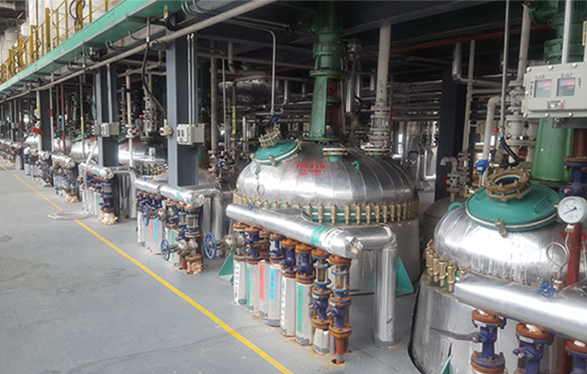
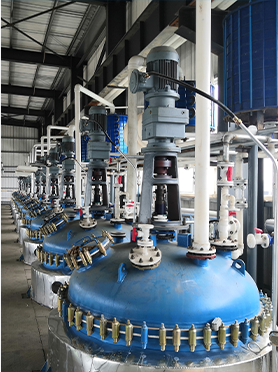
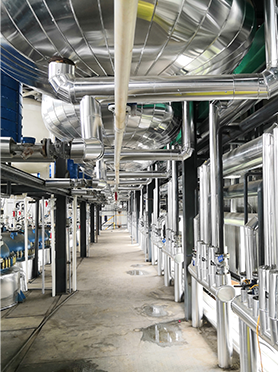
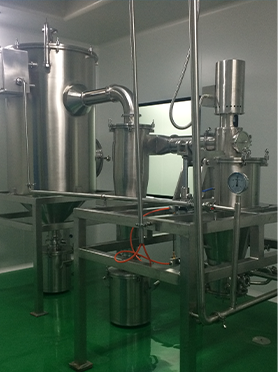
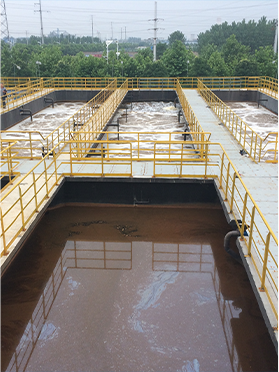
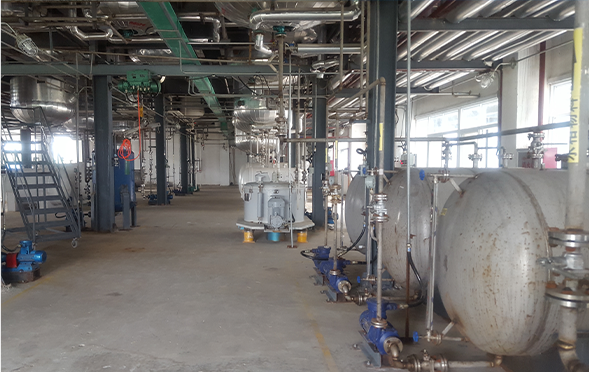
Manufacturing Facilities
Professional Export Experience
to Global Customers
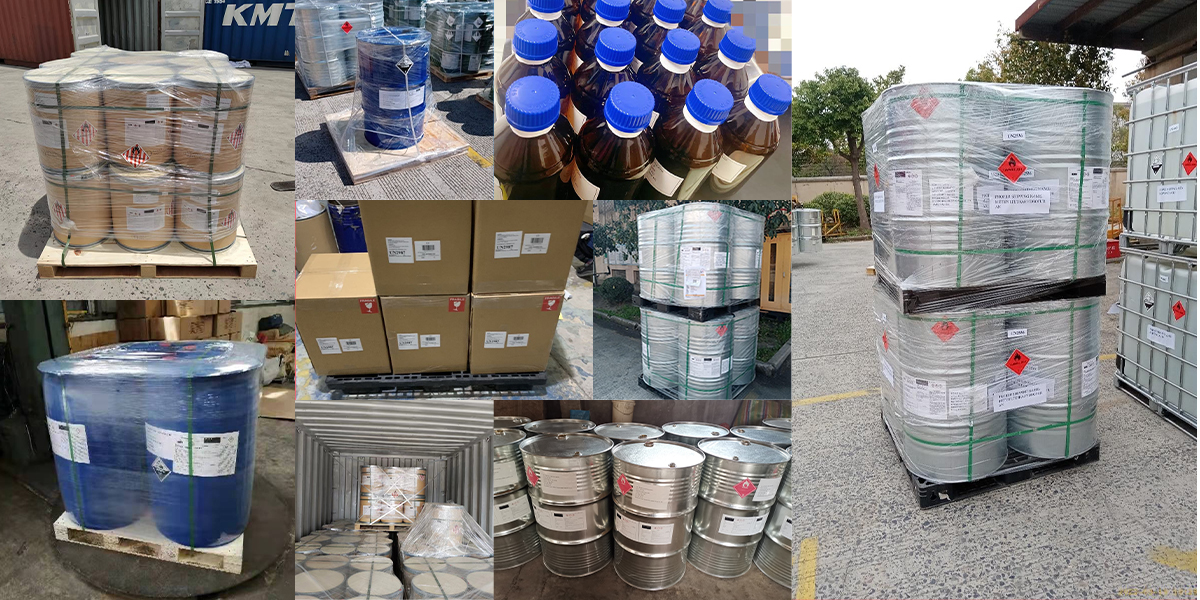
1. 20 years of R&D, manufacturing and sales experience, serving customers in 60 countries and regions around the world;
2. Own R&D laboratory, pilot platform and large-scale production workshop, which can meet the audit requirements of global customers;
3. We can satisfy customers' perfect transition from small scale lab requirements (gram level) to commercialization requirements (hundred tons level).
A: We don't have Minimum Order Quantity, exact quantity should be provided before quotation for us to calculate the exact cost.
A: We don't provide free samples due to lots of request and expensive international courier's cost, we can deduct the sample charge after commercial order placed.
A: Our payment terms: Small or sample order: T/T IN ADVANCE. Commercial order: First order should be by T/T IN ADVANCE or L/C at sight, and following orders T/T 30~90days is acceptable subject to approval of credit application.