
Custom Manufacturing, Project Outsourcing, your Trusted Partner from China
For engineers and formulators working with Polyvinyl Chloride (PVC), understanding the factors that influence its performance, especially under thermal stress, is crucial. High-temperature applications, such as specialized wiring, automotive components, and certain construction materials, demand additives that can withstand extreme conditions. Synthetic hydrotalcite, a well-established inorganic compound, has proven to be exceptionally effective in these scenarios, primarily due to its inherent thermal stability and ability to act as a co-stabilizer. We, as a trusted chemical supplier, are committed to informing you about the advantages of sourcing this critical material.
The Challenge of High-Temperature PVC Processing
When PVC is processed at elevated temperatures, it is prone to dehydrochlorination, a process where HCl gas is released. This degradation not only compromises the physical properties of the PVC but can also lead to discoloration and further accelerate decomposition. Traditional stabilizers often struggle to provide adequate protection under prolonged exposure to high heat. This is where the unique properties of hydrotalcite become indispensable. Its inherent chemical structure provides a high degree of thermal resistance, meaning it does not break down or lose its efficacy at temperatures where many organic additives might fail.
Hydrotalcite's Role in Thermal Stability
Hydrotalcite, with its layered double hydroxide structure, possesses a remarkable thermal decomposition temperature, often cited as being effective up to 400°C. This makes it an outstanding candidate for high-temperature PVC applications. When integrated into PVC formulations, hydrotalcite acts as a heat stabilizer by scavenging acidic byproducts (like HCl) and also by acting as a buffer. This dual action significantly enhances the thermal stability of the PVC matrix. For manufacturers looking to buy hydrotalcite, focusing on grades with specific particle size distributions can further optimize dispersion and, consequently, thermal performance.
Furthermore, hydrotalcite often demonstrates a synergistic effect when used alongside other primary stabilizers, such as calcium-zinc or barium-zinc systems. This synergy means that the combined effect of hydrotalcite and a primary stabilizer is greater than the sum of their individual contributions. This is particularly important in rigid PVC applications, where achieving exceptional long-term heat stability is a key requirement. A diligent hydrotalcite manufacturer ensures that their product contributes effectively to these complex stabilizer packages.
Benefits for High-Temperature Applications
By incorporating hydrotalcite, manufacturers can expect several benefits for their high-temperature PVC products:
For industries relying on PVC for demanding applications, sourcing hydrotalcite from a reputable manufacturer is a strategic decision. It directly contributes to the performance, durability, and safety of the final product, ensuring that your materials can withstand the rigors of high-temperature environments.
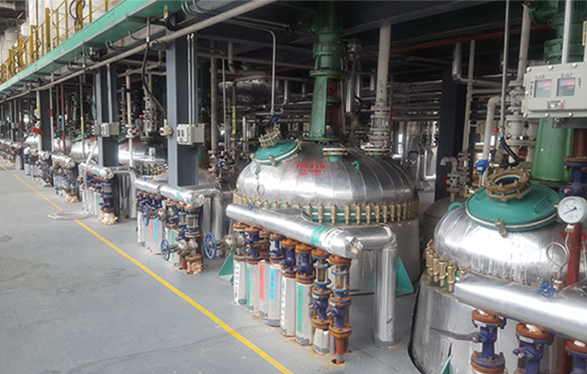
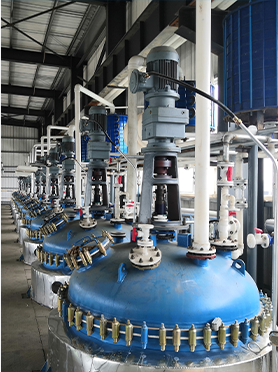
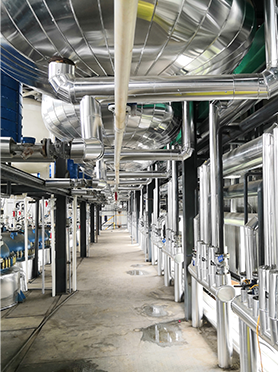
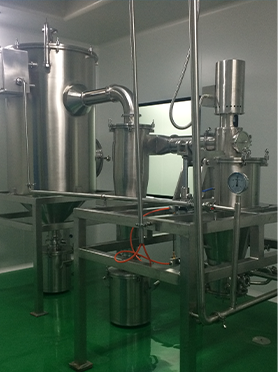
Manufacturing Facilities
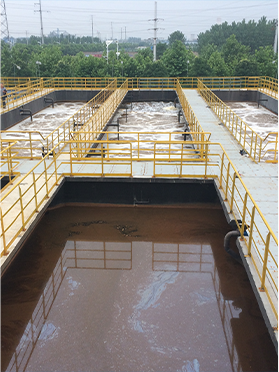
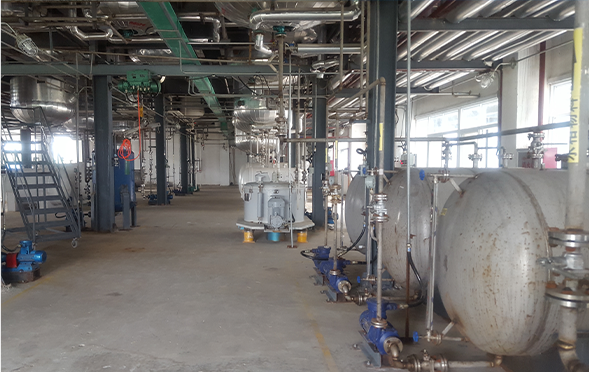
Professional Export Experience
to Global Customers
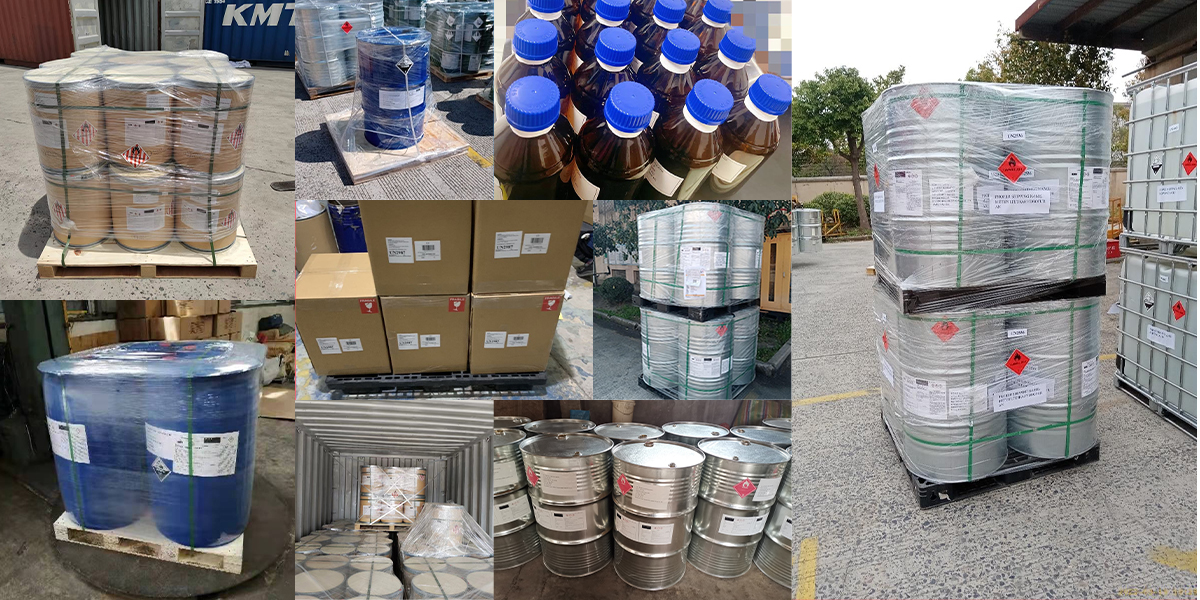
1. 20 years of R&D, manufacturing and sales experience, serving customers in 60 countries and regions around the world;
2. Own R&D laboratory, pilot platform and large-scale production workshop, which can meet the audit requirements of global customers;
3. We can satisfy customers' perfect transition from small scale lab requirements (gram level) to commercialization requirements (hundred tons level).
A: We don't have Minimum Order Quantity, exact quantity should be provided before quotation for us to calculate the exact cost.
A: We don't provide free samples due to lots of request and expensive international courier's cost, we can deduct the sample charge after commercial order placed.
A: Our payment terms: Small or sample order: T/T IN ADVANCE. Commercial order: First order should be by T/T IN ADVANCE or L/C at sight, and following orders T/T 30~90days is acceptable subject to approval of credit application.