20 YEARS OF PROFESSIONAL & DEDICATED SERVICE TO GLOBAL CUSTOMERS

Custom Manufacturing, Project Outsourcing, your Trusted Partner from China

Hydroxypropyl Cellulose vs. Other Cellulose Ethers: A Comparative Look

Cellulose ethers are a diverse family of polymers derived from natural cellulose, each offering unique properties and applications across various industries. Among these, Hydroxypropyl Cellulose (HPC) stands out for its specific characteristics. However, formulators and procurement specialists often need to compare HPC with other common cellulose ethers like Methyl Cellulose (MC), Hydroxypropyl Methyl Cellulose (HPMC), and Hydroxyethyl Cellulose (HEC) to make informed sourcing decisions. This comparison highlights their differences in substitution, solubility, thermal properties, and typical uses.

Understanding the Substituents:

The core difference between these cellulose ethers lies in their substituent groups, which significantly influence their properties:

  • HPC (Hydroxypropyl Cellulose): Features hydroxypropyl groups. It is non-ionic and water-soluble, but importantly, it is insoluble in hot water.
  • MC (Methyl Cellulose): Contains methoxy groups. It is water-soluble and exhibits thermal gelation – it gels upon heating and dissolves upon cooling.
  • HPMC (Hydroxypropyl Methyl Cellulose): A mixed ether, containing both methoxy and hydroxypropyl groups. Its properties are a blend, often exhibiting thermal gelation and varying degrees of water/organic solubility depending on the substitution pattern.
  • HEC (Hydroxyethyl Cellulose): Features hydroxyethyl groups. It is non-ionic and soluble in both cold and hot water, a key differentiator from HPC and MC/HPMC.

Key Property Differences:

  • Solubility in Hot Water: HPC and MC/HPMC are generally insoluble in hot water, while HEC is soluble in both hot and cold water. This difference impacts their application in processes involving elevated temperatures.
  • Thermal Gelation: MC and HPMC are known for their thermal gelation properties, forming gels upon heating. HPC and HEC do not typically exhibit this behavior.
  • Ionicity: All the aforementioned ethers (HPC, MC, HPMC, HEC) are non-ionic, which contributes to their good compatibility with electrolytes and other formulation ingredients.
  • Viscosity and Film Formation: Each type can be produced in various viscosity grades and possesses film-forming capabilities, though the film properties might vary.

Typical Applications:

  • HPC: Widely used as a binder, film-former, and in extended-release matrices in pharmaceuticals. It's also used as a thickener in cosmetics and industrial products where insolubility in hot water is not a concern.
  • MC: Commonly used as a thickener, emulsifier, and binder in food, pharmaceuticals, and construction materials. Its thermal gelation is useful in some adhesive applications.
  • HPMC: Extremely versatile, used as a binder, thickener, film-former, and suspension aid in pharmaceuticals (especially for controlled release), construction (mortars, tile adhesives), and food.
  • HEC: Popular as a thickener and rheology modifier in paints, coatings, and personal care products. Its solubility in hot water makes it suitable for applications where temperature fluctuations occur.

For those looking to buy Hydroxypropyl Cellulose, understanding these comparisons is vital. For example, if your formulation requires a thickener that remains soluble in hot water, HEC would be a better choice than HPC. If controlled release is paramount, HPC and HPMC are excellent options. Engaging with a knowledgeable Hydroxypropyl Cellulose manufacturer or supplier in China, like NINGBO INNO PHARMCHEM CO.,LTD., can provide further insights into selecting the most appropriate cellulose ether for your specific application and market needs.

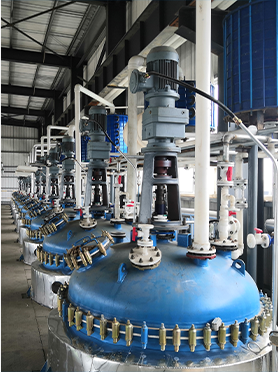
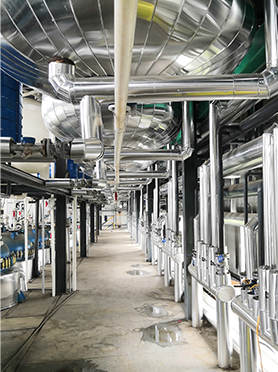
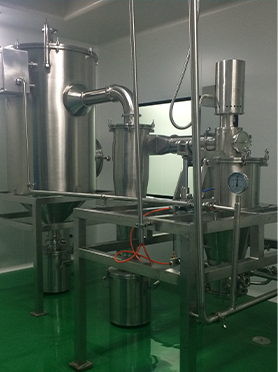
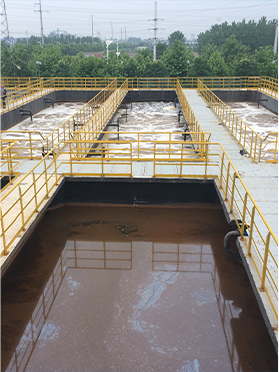
Manufacturing Facilities
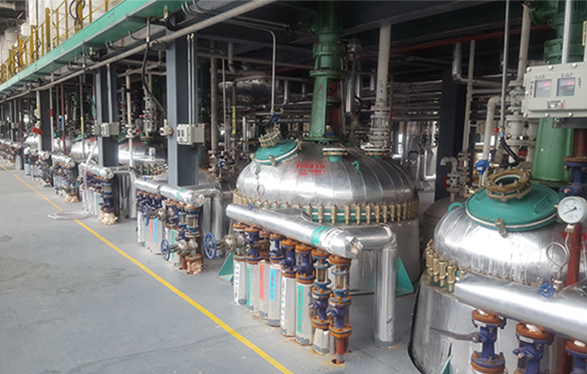
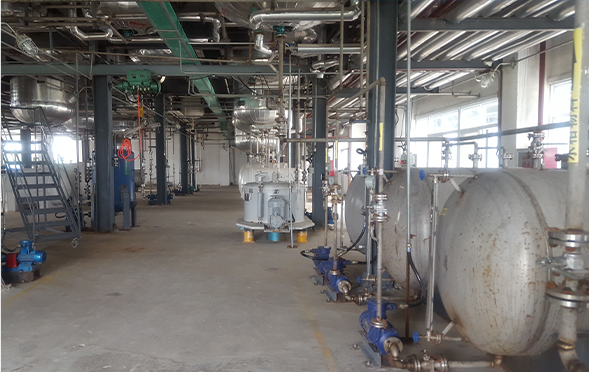
NINGBO INNO PHARMCHEM CO.,LTD. was established in 2007. It is committed to the R&D, production and sales of raw materials, pharmaceutical intermediates and fine chemicals. We striving to create a high-efficiency and high-quality integrated chemical service platform to better serve domestic and foreign customers.

Professional Export Experience

to Global Customers
WHY CHOSE US?

1. 20 years of R&D, manufacturing and sales experience, serving customers in 60 countries and regions around the world;

2. Own R&D laboratory, pilot platform and large-scale production workshop, which can meet the audit requirements of global customers;

3. We can satisfy customers' perfect transition from small scale lab requirements (gram level) to commercialization requirements (hundred tons level).

FAQ

  • A: We don't have Minimum Order Quantity, exact quantity should be provided before quotation for us to calculate the exact cost.

  • A: We don't provide free samples due to lots of request and expensive international courier's cost, we can deduct the sample charge after commercial order placed.

  • A: Our payment terms: Small or sample order: T/T IN ADVANCE. Commercial order: First order should be by T/T IN ADVANCE or L/C at sight, and following orders T/T 30~90days is acceptable subject to approval of credit application.


CONTACT US
Should you need to contact us; you may call during regular business hours, Monday through Friday, 8am – 6 pm.
NINGBO INNO PHARMCHEM CO.,LTD.
Address: No.163 Ruiqing Rd.,Ningbo 315000 China
Phone: 86-574-87319282
Fax: 86-574-27912196
SEND US AN EMAIL

NAME*

EMAIL*

COMPANY

COUNTRY*

MESSAGE*

Previous: Sourcing High-Quality Hydroxypropyl Cellulose: A Buyer's Guide

Next: HPC: Enhancing Product Stability and User Experience

All Rights Reserved