
Custom Manufacturing, Project Outsourcing, your Trusted Partner from China
The continuous advancement in organic electronics, particularly in the fields of Organic Light-Emitting Diodes (OLEDs) and Organic Photovoltaics (OPVs), is driven by the development and application of novel organic semiconductor materials. Among these, Indacenodithiophene Derivatives have garnered considerable attention due to their unique electronic and optical properties. This article delves into the specifics of one such critical material: the Indacenodithiophene Derivative, also known by its shorthand, IDT-IC, with the CAS number 2095504-33-7.
IDT-IC is a complex organic molecule with a significant molecular weight of 1315.77 g/mol, as indicated by its molecular formula C90H82N4O2S2. This intricate structure is deliberately designed to facilitate efficient charge transport and tailored photophysical properties, making it an ideal candidate for use as an active layer component in organic electronic devices. The presence of indacenodithiophene cores within its structure contributes to strong intermolecular interactions and charge mobility, which are crucial for both light emission in OLEDs and charge generation/transport in OPVs.
The application of IDT-IC is primarily found in the realm of OLED materials and OPV materials. In OLEDs, these derivatives can function as emissive layer components or charge transport materials, influencing parameters like color purity, luminescence efficiency, and operational voltage. For OPVs, their semiconductor properties are exploited to enhance light absorption and facilitate the efficient separation and collection of charge carriers, leading to improved power conversion efficiencies.
The requirement for high purity in these applications cannot be overstated. IDT-IC is typically supplied with a minimum purity of 97%, ensuring that researchers and manufacturers can rely on its consistent performance. This high purity level is achieved through sophisticated synthesis and purification techniques, often involving multiple stages of crystallization and sublimation. When you seek to buy IDT-IC manufacturer direct, confirming their purification processes and quality control measures is essential.
Understanding the molecular structure and its impact on performance allows chemists and materials scientists to design next-generation devices with enhanced capabilities. The specific arrangement of the indacenodithiophene core and its appended substituents in IDT-IC is key to its favorable electronic band structure and stability. As the demand for flexible, high-efficiency displays and solar cells grows, materials like IDT-IC will continue to play a pivotal role.
For those looking to procure this advanced chemical, identifying reliable suppliers is paramount. Manufacturers based in China are increasingly prominent in this sector, offering competitive OLED/OPV materials price and a robust supply chain. Whether you are performing initial research or scaling up production, sourcing high-quality IDT-IC from a trusted CAS 2095504-33-7 supplier China ensures the best foundation for your projects.
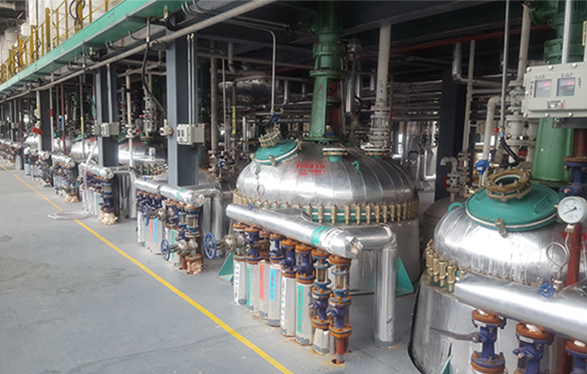
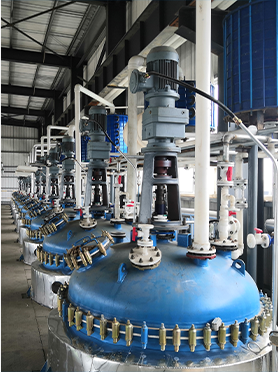
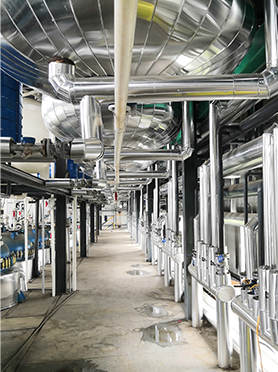
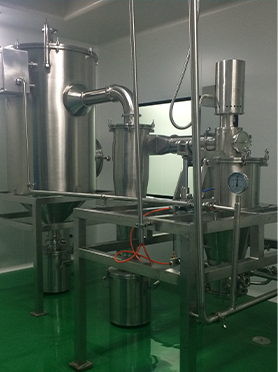
Manufacturing Facilities
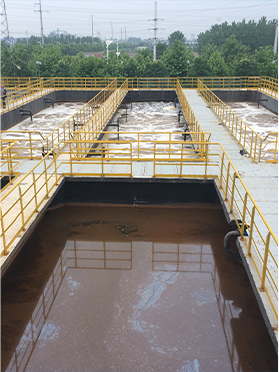
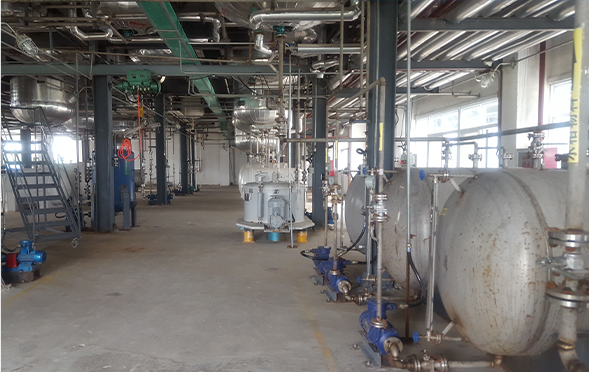
Professional Export Experience
to Global Customers
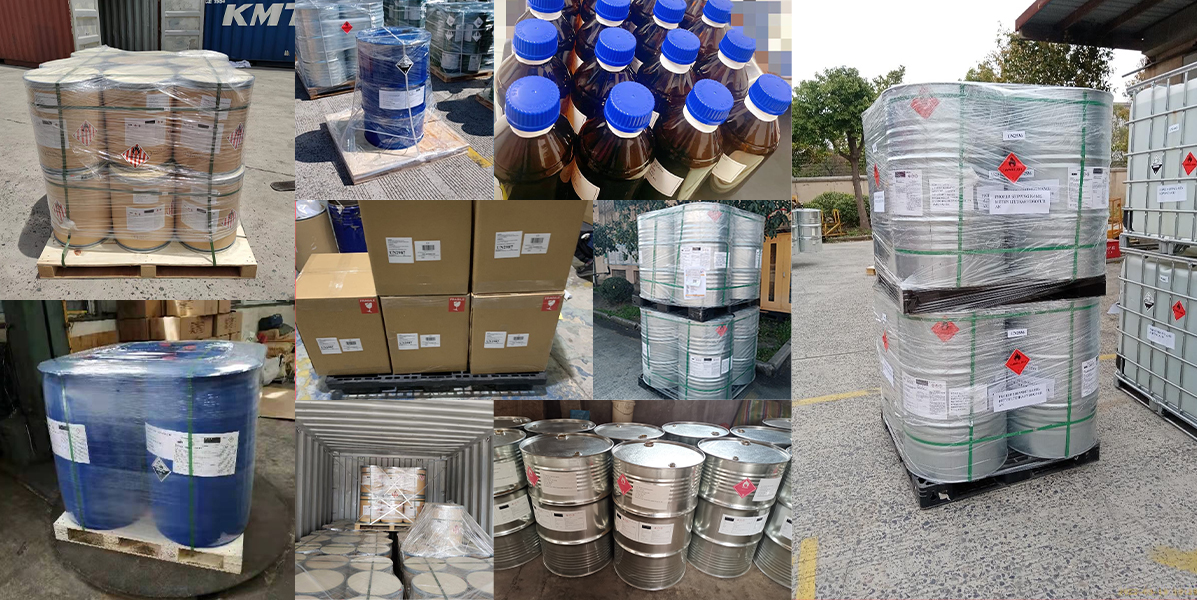
1. 20 years of R&D, manufacturing and sales experience, serving customers in 60 countries and regions around the world;
2. Own R&D laboratory, pilot platform and large-scale production workshop, which can meet the audit requirements of global customers;
3. We can satisfy customers' perfect transition from small scale lab requirements (gram level) to commercialization requirements (hundred tons level).
A: We don't have Minimum Order Quantity, exact quantity should be provided before quotation for us to calculate the exact cost.
A: We don't provide free samples due to lots of request and expensive international courier's cost, we can deduct the sample charge after commercial order placed.
A: Our payment terms: Small or sample order: T/T IN ADVANCE. Commercial order: First order should be by T/T IN ADVANCE or L/C at sight, and following orders T/T 30~90days is acceptable subject to approval of credit application.