
Custom Manufacturing, Project Outsourcing, your Trusted Partner from China
Selecting the optimal preservative for cosmetic and personal care products is a nuanced decision, influenced by efficacy, safety, regulatory compliance, and consumer perception. Imidazolidinyl Urea (CAS 39236-46-9) remains a popular choice due to its broad-spectrum efficacy and cost-effectiveness. As a leading manufacturer and supplier in China, we provide valuable insights to help formulators and procurement managers make informed choices. This article compares Imidazolidinyl Urea with other common preservative types to aid your decision-making process when you buy cosmetic preservatives.
Understanding Imidazolidinyl Urea's Place in the Market
Imidazolidinyl Urea is a formaldehyde-releasing preservative. Its primary mechanism is the slow release of formaldehyde, which effectively inhibits a wide range of bacteria, yeasts, and molds. Key benefits include:
However, its formaldehyde-releasing nature can be a consideration for products targeting 'formaldehyde-free' claims or for consumers with sensitivities.
Comparison with Other Preservative Classes:
1. Parabens (e.g., Methylparaben, Propylparaben):
* Pros: Broad-spectrum efficacy, cost-effective, well-researched. Often used in combination.
* Cons: Increasing consumer concern and regulatory scrutiny in some regions; potential endocrine disruptor debate.
* Vs. Imidazolidinyl Urea: Parabens are not formaldehyde releasers, offering an alternative for 'formaldehyde-free' claims. However, Imidazolidinyl Urea often offers broader pH compatibility.
2. Isothiazolinones (e.g., Methylisothiazolinone (MI), Methylchloroisothiazolinone (MCI)):
* Pros: Potent broad-spectrum antimicrobial activity at low concentrations.
* Cons: Known skin sensitizers, especially MI. Regulatory restrictions on MI usage in leave-on products.
* Vs. Imidazolidinyl Urea: Isothiazolinones are generally more potent but carry a higher risk of sensitization. Imidazolidinyl Urea offers a lower sensitization potential compared to MI.
3. Phenoxyethanol:
* Pros: Generally considered a milder preservative, often combined with other agents for broader efficacy; good safety profile.
* Cons: Primarily effective against Gram-negative bacteria; requires combination with other preservatives for full broad-spectrum coverage.
* Vs. Imidazolidinyl Urea: Phenoxyethanol is not a formaldehyde releaser and is often perceived as milder, but it might require co-preservatives for complete protection, potentially increasing formulation complexity and cost.
4. Organic Acids (e.g., Benzoic Acid, Sorbic Acid):
* Pros: Often perceived as more 'natural,' effective against fungi and yeasts.
* Cons: Efficacy is highly dependent on pH, generally most effective in acidic conditions (pH < 5.5).
* Vs. Imidazolidinyl Urea: Organic acids are pH-dependent, whereas Imidazolidinyl Urea works across a wider pH range. They are a good option for acidic products but may not be sufficient alone for neutral or alkaline formulations.
Making the Choice and Sourcing
The choice between Imidazolidinyl Urea and other preservatives depends on your product's pH, intended use, target market, desired claims, and regulatory landscape. When you buy cosmetic preservatives, consider sourcing from reputable Chinese manufacturers like us, who offer transparency in quality and competitive pricing. We provide high-grade Imidazolidinyl Urea, backed by our expertise as a manufacturer, ensuring you receive a reliable ingredient that meets your formulation requirements.
By weighing the pros and cons of different preservative systems and partnering with a trusted supplier, you can ensure the safety and quality of your cosmetic and personal care products.
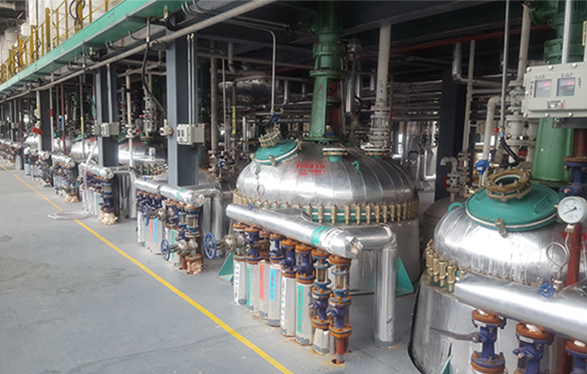
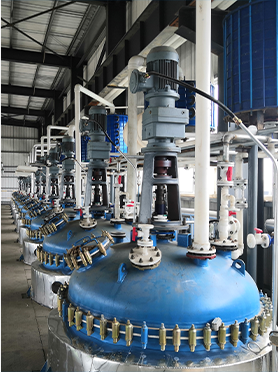
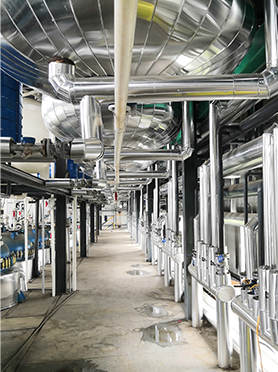
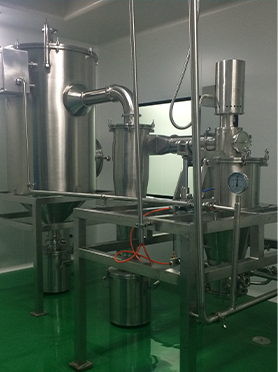
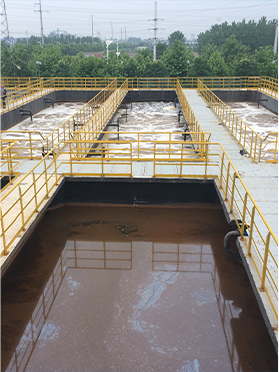
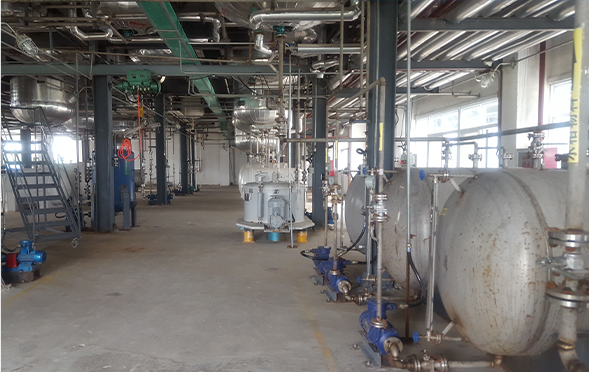
Manufacturing Facilities
Professional Export Experience
to Global Customers
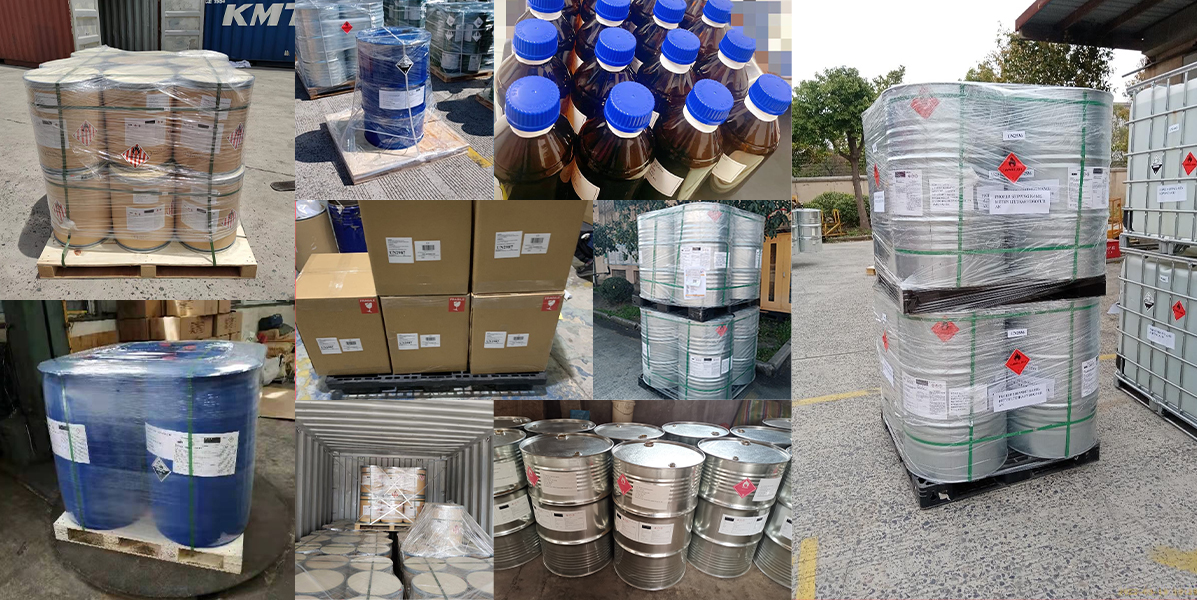
1. 20 years of R&D, manufacturing and sales experience, serving customers in 60 countries and regions around the world;
2. Own R&D laboratory, pilot platform and large-scale production workshop, which can meet the audit requirements of global customers;
3. We can satisfy customers' perfect transition from small scale lab requirements (gram level) to commercialization requirements (hundred tons level).
A: We don't have Minimum Order Quantity, exact quantity should be provided before quotation for us to calculate the exact cost.
A: We don't provide free samples due to lots of request and expensive international courier's cost, we can deduct the sample charge after commercial order placed.
A: Our payment terms: Small or sample order: T/T IN ADVANCE. Commercial order: First order should be by T/T IN ADVANCE or L/C at sight, and following orders T/T 30~90days is acceptable subject to approval of credit application.