
Custom Manufacturing, Project Outsourcing, your Trusted Partner from China
In the realm of pharmaceutical chemistry, chirality—the property of a molecule being non-superimposable on its mirror image—is of paramount importance. Many modern drugs are chiral, and often, only one enantiomer (one of the mirror images) exhibits the desired therapeutic effect, while the other can be inactive, less effective, or even cause adverse side effects. This makes the synthesis of enantiomerically pure drugs, and consequently, the use of chiral pharmaceutical intermediates, a cornerstone of modern drug development. For professionals seeking to buy high-purity compounds, understanding this aspect is crucial.
Chiral intermediates are chemical compounds that possess chirality and are used as building blocks in the synthesis of chiral drugs. Their precise three-dimensional structure is critical for the overall stereochemistry of the final API. The production of these intermediates requires specialized techniques to ensure that only the desired enantiomer is formed or isolated, a process known as enantioselective synthesis or chiral resolution.
The interaction of a drug with biological targets (like receptors or enzymes) is highly dependent on its three-dimensional shape. Similar to how a left hand fits into a left glove but not a right one, only the correct enantiomer of a chiral drug will effectively bind to its intended biological target, eliciting the desired therapeutic response. For example, the (S)-enantiomer of a drug might be highly potent, while its (R)-counterpart might have little to no activity.
In some cases, the unwanted enantiomer of a chiral drug can be toxic or cause undesirable side effects. A classic tragic example is Thalidomide, where one enantiomer was a sedative, while the other was a potent teratogen causing birth defects. Regulatory agencies worldwide now mandate that chiral drugs be developed and marketed as single enantiomers unless it can be proven that both enantiomers are safe and effective, or that the inactive enantiomer poses no risk. This drives the demand for enantiopure intermediates.
Pharmaceutical regulatory bodies, such as the FDA and EMA, place significant emphasis on the stereochemical purity of drugs. Manufacturers must demonstrate control over the stereochemistry of their APIs, which often means sourcing or producing chiral intermediates with very high enantiomeric excess (ee). This regulatory pressure directly influences the market for chiral intermediates, making them a high-value product for specialized manufacturers.
Producing enantiomerically pure intermediates is challenging. It often involves complex asymmetric synthesis techniques, chiral chromatography, or enzymatic resolutions. Manufacturers must invest in specialized equipment and expertise. For instance, producing (S)-2-[(4-Chlorophenyl)(4-piperidinyloxy)methyl]pyridine requires precise control over its chiral center. A reputable supplier will offer detailed analytical data confirming its enantiomeric purity. When considering the price of such intermediates, remember that the advanced synthesis and purification techniques contribute to the cost, but the assurance of purity is invaluable for downstream API production.
When looking to buy chiral intermediates, it is essential to partner with manufacturers who specialize in this area. Look for suppliers who can provide:
In conclusion, chiral intermediates are indispensable in the synthesis of modern pharmaceuticals. Their correct stereochemistry is vital for drug efficacy, safety, and regulatory approval. As the pharmaceutical industry continues to develop increasingly complex and targeted therapies, the demand for high-quality, enantiopure chiral intermediates will only grow. For any company involved in drug development, understanding the nuances of chiral synthesis and partnering with capable manufacturers is a strategic necessity.
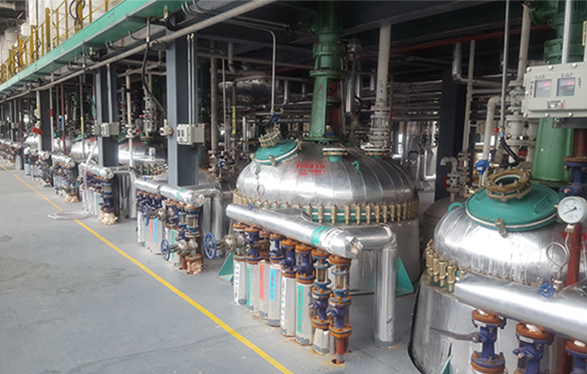
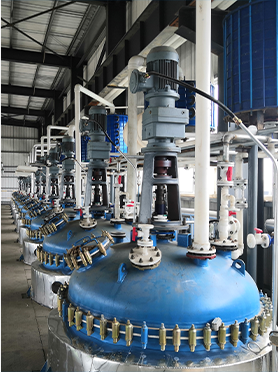
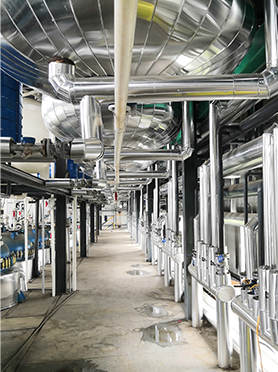
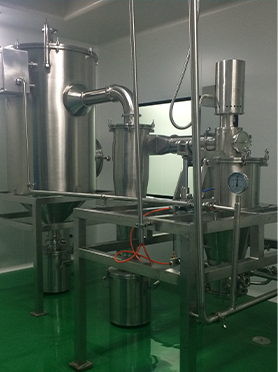
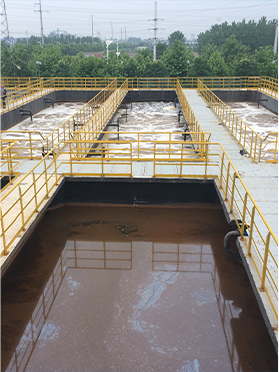
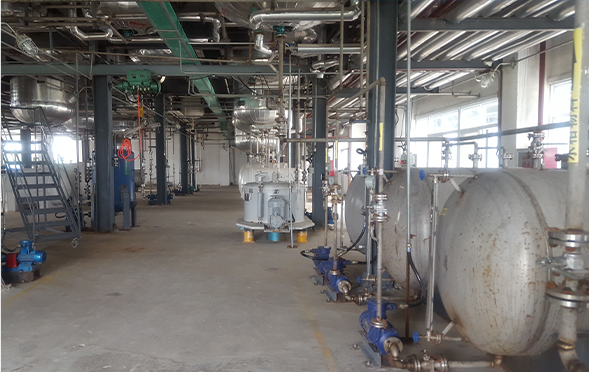
Manufacturing Facilities
Professional Export Experience
to Global Customers
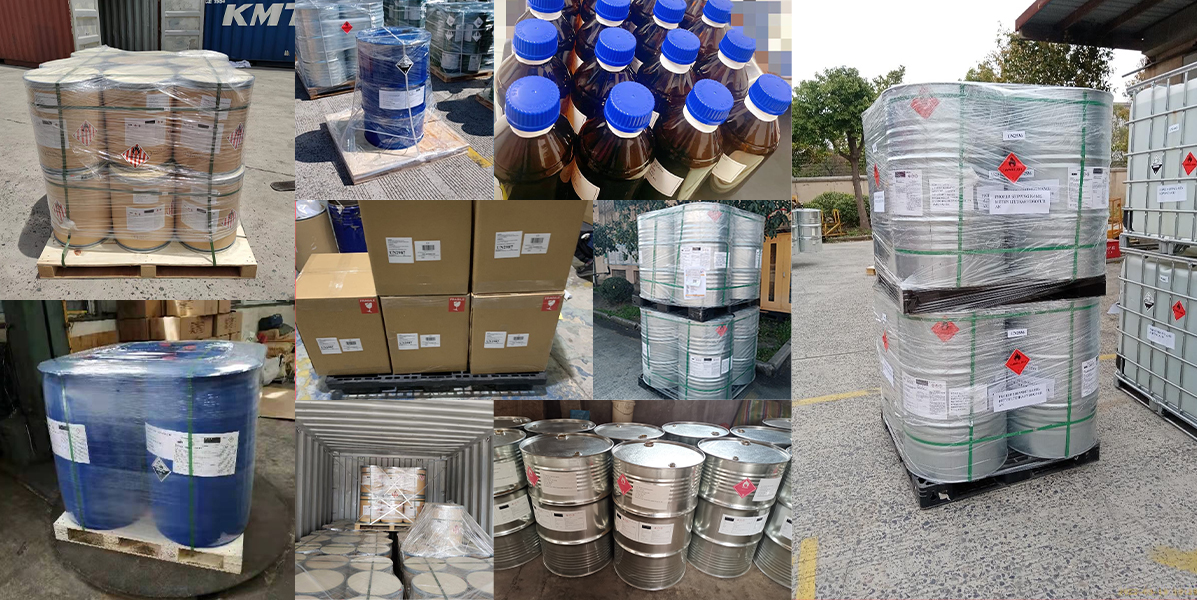
1. 20 years of R&D, manufacturing and sales experience, serving customers in 60 countries and regions around the world;
2. Own R&D laboratory, pilot platform and large-scale production workshop, which can meet the audit requirements of global customers;
3. We can satisfy customers' perfect transition from small scale lab requirements (gram level) to commercialization requirements (hundred tons level).
A: We don't have Minimum Order Quantity, exact quantity should be provided before quotation for us to calculate the exact cost.
A: We don't provide free samples due to lots of request and expensive international courier's cost, we can deduct the sample charge after commercial order placed.
A: Our payment terms: Small or sample order: T/T IN ADVANCE. Commercial order: First order should be by T/T IN ADVANCE or L/C at sight, and following orders T/T 30~90days is acceptable subject to approval of credit application.