
Custom Manufacturing, Project Outsourcing, your Trusted Partner from China
In the selection of flame retardants, numerous properties contribute to a chemical's effectiveness and suitability for a given application. Among these, hydrolysis stability is a critical factor that often determines the longevity and reliability of the flame retardant's performance. Tris(2-chloroisopropyl) phosphate (TCPP) distinguishes itself in this regard, offering superior resistance to degradation by water. As a leading chemical supplier specializing in flame retardants, we recognize the significant advantages this property brings to our clients.
Hydrolysis refers to the chemical breakdown of a substance when it reacts with water. For flame retardants, especially those used in materials exposed to varying environmental conditions or moisture, resistance to hydrolysis is paramount. If a flame retardant degrades easily in the presence of water, its effectiveness can be compromised over time, potentially leading to a loss of fire safety properties in the end product. This is a concern for materials used in construction, automotive interiors, or any application where humidity is a factor.
TCPP, a chlorinated organophosphate, is noted for its excellent hydrolysis stability compared to many other halogenated flame retardants. This means that when incorporated into polymers such as polyurethane foams, PVC, or EVA, it maintains its chemical integrity for longer periods, even in humid environments. This inherent stability ensures that the flame retardant properties of the material remain effective throughout its service life, providing consistent safety. Manufacturers seeking durable flame retardant solutions often prioritize TCPP for this reason.
The significance of this property is amplified when considering the long-term performance requirements of products. For instance, in building insulation foams, the material may be exposed to ambient moisture for years. A flame retardant with poor hydrolysis stability could degrade, diminishing its fire resistance and potentially becoming a less effective safety feature. By choosing TCPP from a reputable manufacturer of TCPP, you are investing in a solution that offers enduring protection.
When you consider the TCPP price, it's important to evaluate it in the context of its performance and longevity. While initial cost is a factor, the extended service life and sustained safety provided by TCPP due to its hydrolysis resistance can offer superior value over time. As a trusted flame retardant supplier, we provide high-purity TCPP that exemplifies these critical performance characteristics.
In conclusion, the superior hydrolysis stability of Tris(2-chloroisopropyl) phosphate is a key attribute that makes it an indispensable flame retardant for many applications. It ensures the long-term effectiveness and reliability of fire safety measures in materials like polyurethane foams and PVC. For those looking to buy TCPP with confidence, understanding and prioritizing this property, and sourcing from a dependable chemical supplier, is essential for achieving optimal product performance and safety.
Manufacturing Facilities
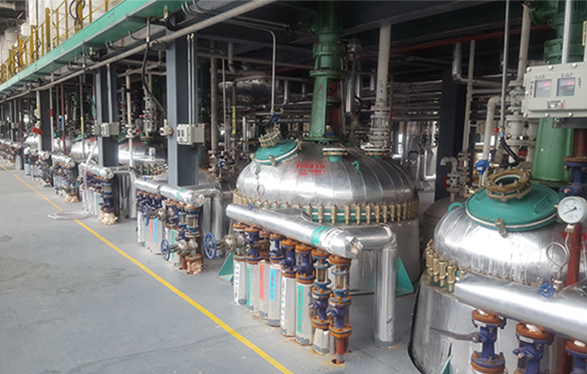
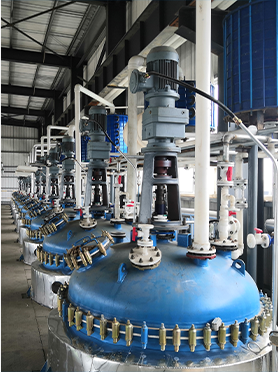
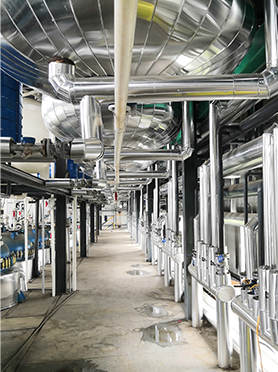
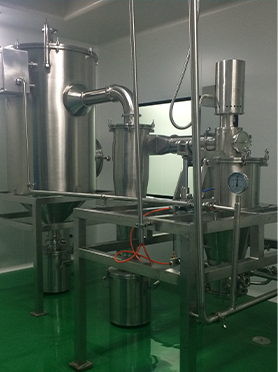
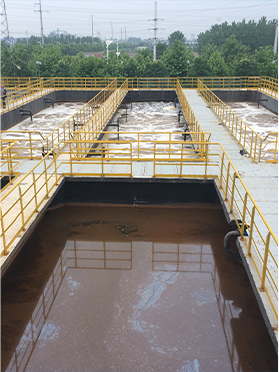
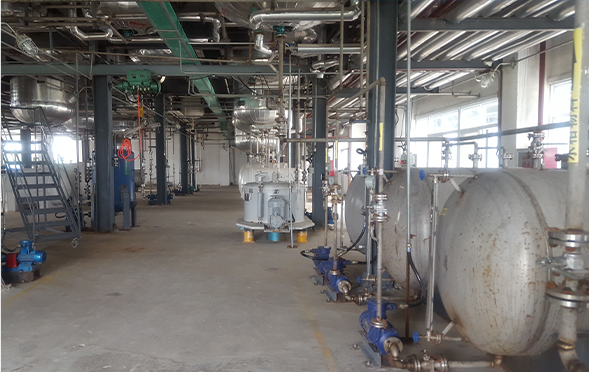
Professional Export Experience
to Global Customers
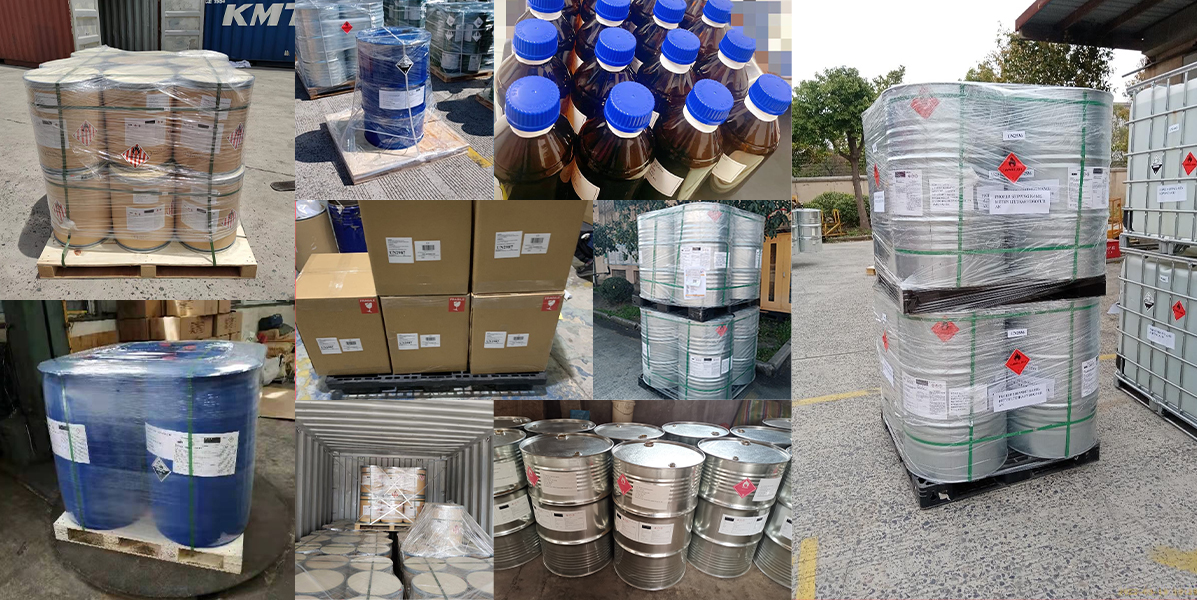
1. 20 years of R&D, manufacturing and sales experience, serving customers in 60 countries and regions around the world;
2. Own R&D laboratory, pilot platform and large-scale production workshop, which can meet the audit requirements of global customers;
3. We can satisfy customers' perfect transition from small scale lab requirements (gram level) to commercialization requirements (hundred tons level).
A: We don't have Minimum Order Quantity, exact quantity should be provided before quotation for us to calculate the exact cost.
A: We don't provide free samples due to lots of request and expensive international courier's cost, we can deduct the sample charge after commercial order placed.
A: Our payment terms: Small or sample order: T/T IN ADVANCE. Commercial order: First order should be by T/T IN ADVANCE or L/C at sight, and following orders T/T 30~90days is acceptable subject to approval of credit application.