
Custom Manufacturing, Project Outsourcing, your Trusted Partner from China
In the vibrant world of textile printing, achieving sharp, well-defined patterns is crucial for product appeal and brand reputation. For pigment printing, the secret to crisp lines and immaculate designs often lies in the precise formulation of the printing paste, particularly the role of the thickener. Synthetic acrylic polymer thickeners are indispensable tools for manufacturers aiming for superior print quality. As a dedicated supplier of these advanced textile auxiliaries, we illuminate their critical functions.
Pigment printing involves applying color particles dispersed in a binder onto the fabric surface. For the printing process to work effectively, the pigment paste needs to have specific rheological properties – that is, it must flow correctly through the printing apparatus (like screens or rollers) without spreading or losing definition. This is where synthetic thickeners come into play. They are meticulously designed to provide the printing paste with the optimal viscosity and flow behavior.
The primary mechanism through which synthetic acrylic thickeners achieve sharpness is by controlling the paste's thixotropy. Thixotropy refers to a shear-thinning property: the paste becomes less viscous when agitated, allowing it to pass smoothly through the printing screen or roller. Once the shear force is removed (i.e., when the paste is on the fabric), the viscosity rapidly recovers. This characteristic prevents the paste from spreading or 'bleeding' into the surrounding fabric fibers, thus maintaining the integrity and sharpness of the printed design. Manufacturers often seek these properties for their consistency and reliability.
Key benefits of using synthetic acrylic polymer thickeners for achieving sharp prints include:
For textile manufacturers, sourcing these crucial ingredients from reliable suppliers is essential. Companies that manufacture and export these synthetic thickeners from China often provide high-quality products at competitive prices. When you buy from a trusted source, you can be confident in the product's consistency and performance, ensuring your printing processes are efficient and your final products meet the highest standards. Requesting samples and technical data is always recommended to verify suitability for your specific needs.
In conclusion, synthetic acrylic polymer thickeners are vital components in achieving the sharp, vibrant, and defect-free textile prints that consumers demand. Their ability to control paste viscosity and rheology is fundamental to the success of pigment printing. By partnering with knowledgeable manufacturers and suppliers, businesses can leverage these advanced chemicals to elevate their product quality and operational efficiency.
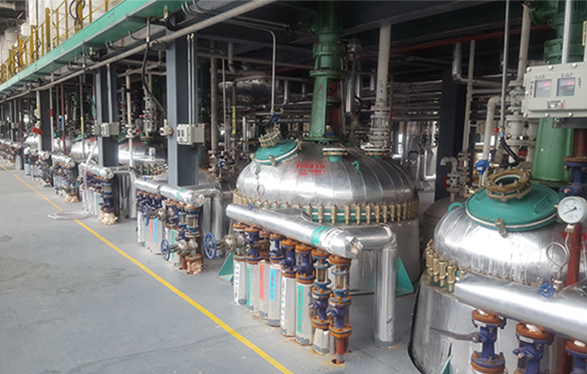
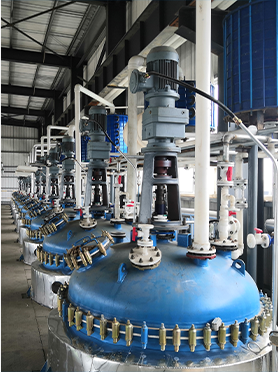
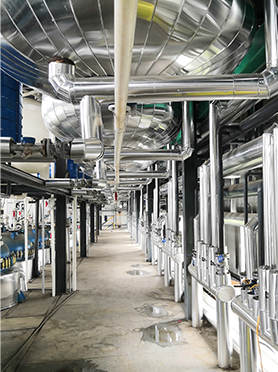
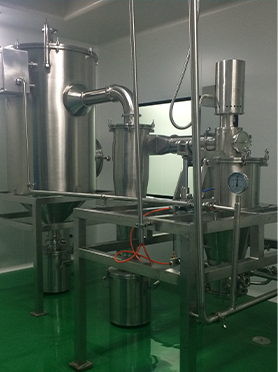
Manufacturing Facilities
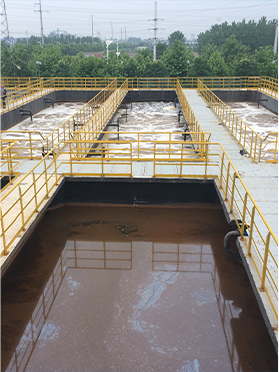
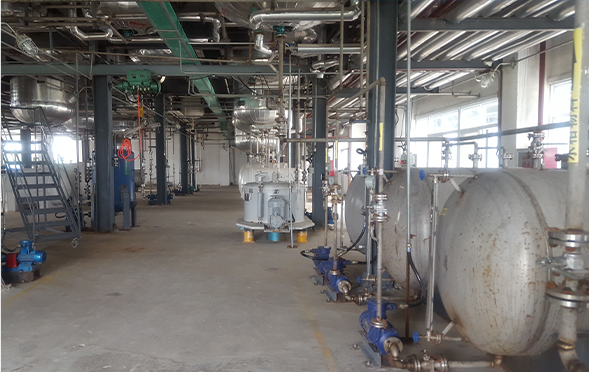
Professional Export Experience
to Global Customers
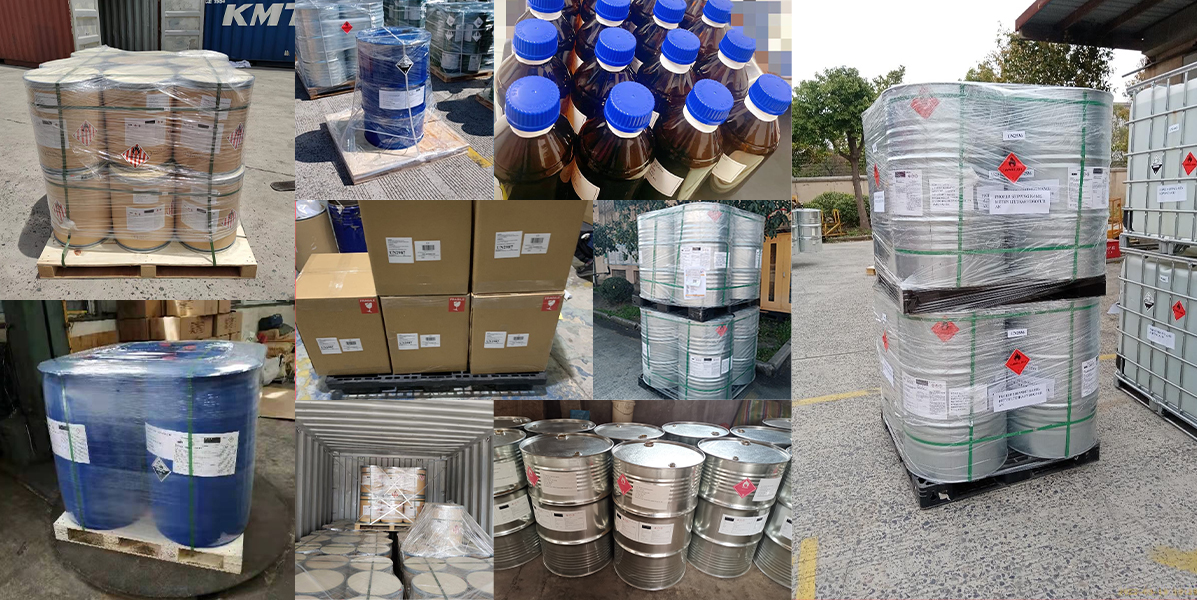
1. 20 years of R&D, manufacturing and sales experience, serving customers in 60 countries and regions around the world;
2. Own R&D laboratory, pilot platform and large-scale production workshop, which can meet the audit requirements of global customers;
3. We can satisfy customers' perfect transition from small scale lab requirements (gram level) to commercialization requirements (hundred tons level).
A: We don't have Minimum Order Quantity, exact quantity should be provided before quotation for us to calculate the exact cost.
A: We don't provide free samples due to lots of request and expensive international courier's cost, we can deduct the sample charge after commercial order placed.
A: Our payment terms: Small or sample order: T/T IN ADVANCE. Commercial order: First order should be by T/T IN ADVANCE or L/C at sight, and following orders T/T 30~90days is acceptable subject to approval of credit application.