
Custom Manufacturing, Project Outsourcing, your Trusted Partner from China
The strategic incorporation of fluorine atoms into organic molecules has become a cornerstone of modern chemical research and development, profoundly impacting fields from pharmaceuticals to materials science. Among the various fluorinated moieties, the trifluoromethoxy group (-OCF3) is particularly noteworthy for the unique and often beneficial properties it confers upon a molecule. As a leading manufacturer and supplier of specialized chemical intermediates, we understand the value of such functional groups. This article focuses on the significance of the trifluoromethoxy group, exemplified by its presence in 4-Trifluoromethoxyphenylboronic Acid (CAS 139301-27-2), and why researchers choose to buy compounds bearing this moiety.
The trifluoromethoxy group is characterized by a methoxy group (-OCH3) where the hydrogen atoms on the methyl carbon are replaced by fluorine atoms. This seemingly small substitution leads to significant changes in a molecule's electronic and physicochemical properties. Compared to a simple methoxy group, the -OCF3 group is highly electronegative due to the strong electron-withdrawing nature of fluorine. This electronegativity influences the electron distribution within the molecule, which can, in turn, affect its reactivity and interactions with biological targets.
One of the most impactful effects of the trifluoromethoxy group is its contribution to lipophilicity. Lipophilicity, often measured by the partition coefficient (logP), is a critical factor in drug design. A molecule with appropriate lipophilicity can more effectively cross biological membranes, such as the cell membrane or the blood-brain barrier, leading to better absorption, distribution, metabolism, and excretion (ADME) properties. The -OCF3 group generally increases lipophilicity more significantly than a trifluoromethyl (-CF3) group, making it a powerful tool for optimizing drug candidates. This is a key reason why many researchers seek to purchase compounds containing this group.
Furthermore, the trifluoromethoxy group often enhances metabolic stability. The C-F bond is one of the strongest single bonds in organic chemistry, making it resistant to enzymatic cleavage. By strategically placing an -OCF3 group, researchers can shield susceptible parts of a molecule from metabolic degradation, thereby increasing its half-life in the body and potentially reducing the required dosage or frequency of administration. This enhanced stability is invaluable in pharmaceutical R&D, driving demand for intermediates like 4-Trifluoromethoxyphenylboronic Acid.
The utility of the trifluoromethoxy group is widely demonstrated in various chemical applications:
As a dedicated manufacturer in China, we understand the growing demand for fluorinated building blocks. 4-Trifluoromethoxyphenylboronic Acid, featuring both the desirable trifluoromethoxy group and a reactive boronic acid moiety, is a prime example of such a valuable intermediate. We encourage researchers and procurement managers to request a quote for this product. By choosing us as your supplier, you ensure access to high-quality materials that are critical for innovation.
In conclusion, the trifluoromethoxy group is a powerful functional handle that chemists leverage to enhance molecular properties. Its ability to tune lipophilicity, improve metabolic stability, and influence electronic characteristics makes it a highly sought-after feature in drug discovery and beyond. We invite you to buy intermediates like 4-Trifluoromethoxyphenylboronic Acid from a trusted manufacturer and unlock the potential of fluorinated chemistry.
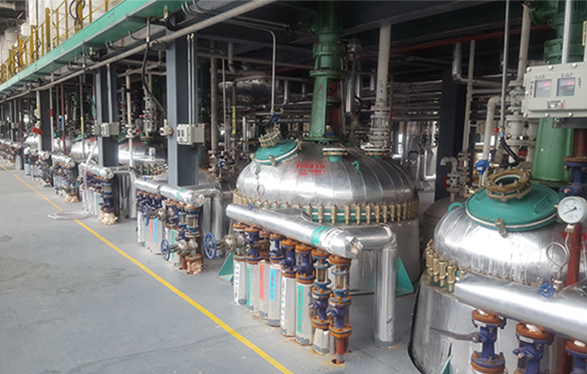
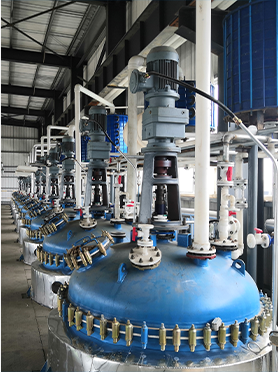
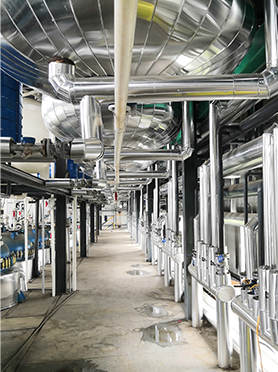
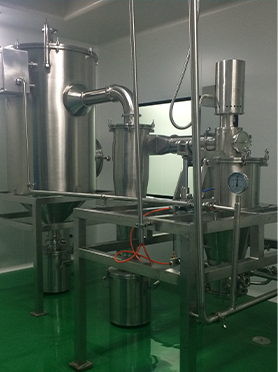
Manufacturing Facilities
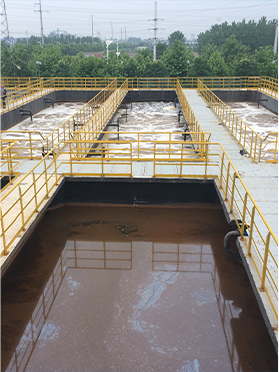
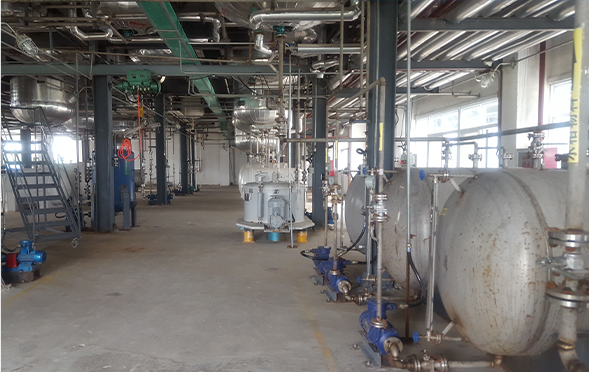
Professional Export Experience
to Global Customers
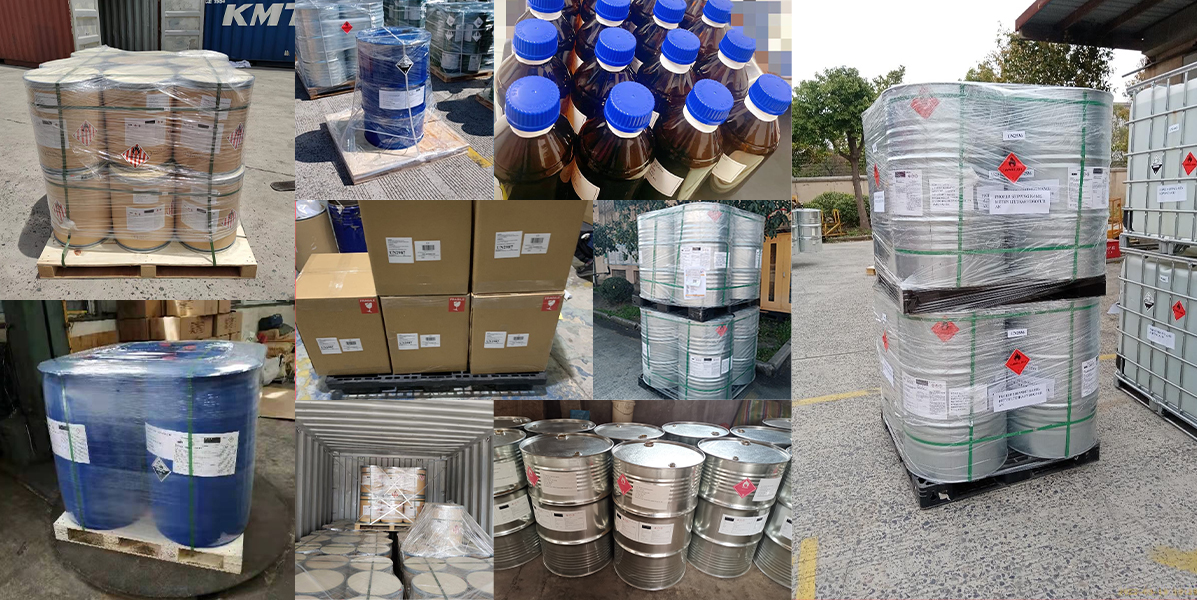
1. 20 years of R&D, manufacturing and sales experience, serving customers in 60 countries and regions around the world;
2. Own R&D laboratory, pilot platform and large-scale production workshop, which can meet the audit requirements of global customers;
3. We can satisfy customers' perfect transition from small scale lab requirements (gram level) to commercialization requirements (hundred tons level).
A: We don't have Minimum Order Quantity, exact quantity should be provided before quotation for us to calculate the exact cost.
A: We don't provide free samples due to lots of request and expensive international courier's cost, we can deduct the sample charge after commercial order placed.
A: Our payment terms: Small or sample order: T/T IN ADVANCE. Commercial order: First order should be by T/T IN ADVANCE or L/C at sight, and following orders T/T 30~90days is acceptable subject to approval of credit application.