
Custom Manufacturing, Project Outsourcing, your Trusted Partner from China
In the textile industry, the tactile feel of a fabric is as important as its visual appeal and functional performance. Consumers often seek out garments and home textiles that are soft, comfortable, and maintain their look over time. Hydrophilic softener flakes, particularly those with non-yellowing properties, are key chemical auxiliaries that contribute significantly to achieving these desired attributes. This article explores how these specialized finishing agents work and why they are a preferred choice for manufacturers aiming to buy premium textile products.
The Science Behind Softness and Hydrophilicity
Textile softeners, including softener flakes, function by depositing a thin layer of lubricating agents onto the surface of fabric fibers. These agents reduce the inter-fiber friction, leading to a smoother, softer feel. The 'hydrophilic' aspect refers to the material's affinity for water, meaning it can readily absorb and wick moisture. This is beneficial for clothing as it enhances breathability and comfort, especially in warm conditions or during physical activity. Traditional softeners might rely on cationic surfactants, which adhere to negatively charged fabric fibers. Advanced formulations, like the non-yellowing hydrophilic softener flakes, are engineered to provide these benefits without compromising the fabric's original color or brightness, a critical factor when products are exposed to light or washing cycles.
Key Benefits for Consumers and Brands:
Application in Textile Manufacturing
As a textile auxiliary agent, these softener flakes are typically incorporated into the finishing process. Manufacturers usually prepare a concentrated solution from the flakes, often using hot water to ensure complete dissolution. This solution is then applied to the fabric through methods like padding (one dip, one pad) or exhaustion (in a dipping process). The recommended dosage and processing temperatures are critical for achieving optimal softness and desired functional properties. For textile producers looking to source these materials, finding a reliable manufacturer or supplier that can provide clear application guidelines and technical support is essential for successful integration into their production lines. Considering options from a reputable supplier in China can offer access to cost-effective solutions without compromising on performance.
In conclusion, Non-Yellowing Hydrophilic Softener Flakes are instrumental in enhancing the overall quality and consumer appeal of textiles. By providing superior softness, excellent color stability, and improved moisture management, they allow brands to deliver products that not only look good but also feel exceptionally comfortable. For manufacturers aiming to differentiate their products, understanding and utilizing these advanced finishing agents is a smart investment.
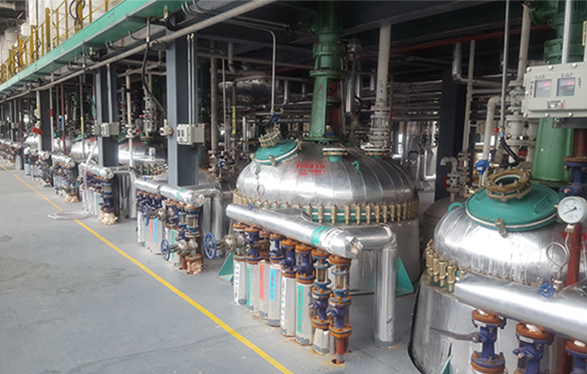
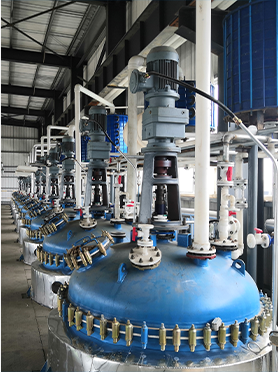
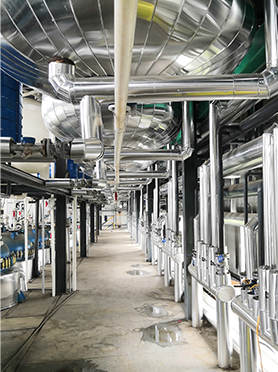
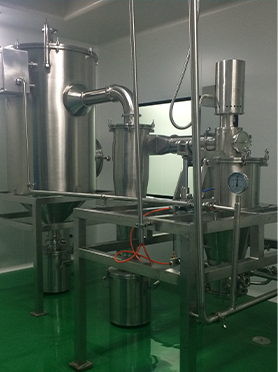
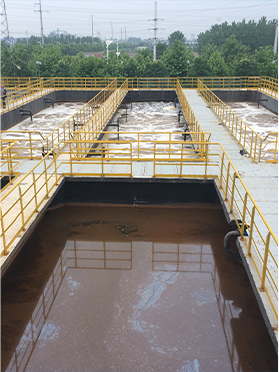
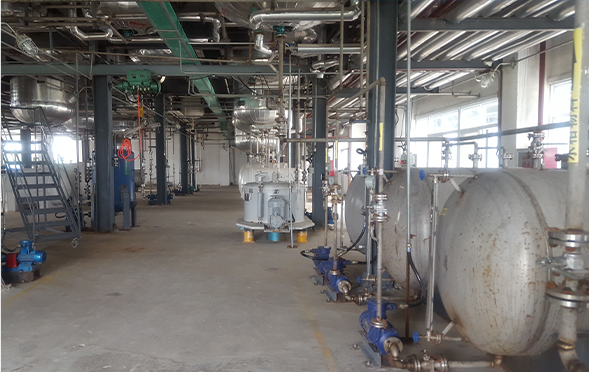
Manufacturing Facilities
Professional Export Experience
to Global Customers
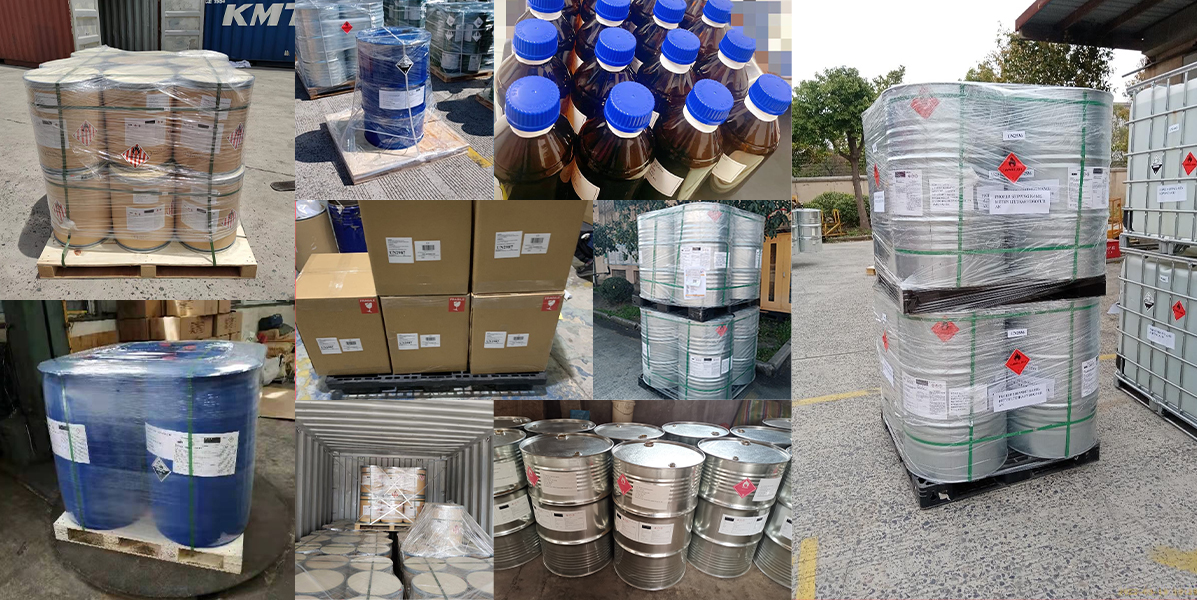
1. 20 years of R&D, manufacturing and sales experience, serving customers in 60 countries and regions around the world;
2. Own R&D laboratory, pilot platform and large-scale production workshop, which can meet the audit requirements of global customers;
3. We can satisfy customers' perfect transition from small scale lab requirements (gram level) to commercialization requirements (hundred tons level).
A: We don't have Minimum Order Quantity, exact quantity should be provided before quotation for us to calculate the exact cost.
A: We don't provide free samples due to lots of request and expensive international courier's cost, we can deduct the sample charge after commercial order placed.
A: Our payment terms: Small or sample order: T/T IN ADVANCE. Commercial order: First order should be by T/T IN ADVANCE or L/C at sight, and following orders T/T 30~90days is acceptable subject to approval of credit application.