
Custom Manufacturing, Project Outsourcing, your Trusted Partner from China
The tactile experience of a textile is often as important as its visual appearance. A soft, smooth, and luxurious handfeel can elevate a product from ordinary to exceptional, significantly influencing consumer satisfaction and brand perception. For purchasing managers and product developers in the textile industry, selecting the right textile softener is a strategic decision that impacts the final product's quality and marketability. This article provides insights into how textile softeners affect handfeel and guides you through the selection process.
At its core, a textile softener works by imparting a lubricating layer onto the fabric fibers. This layer reduces inter-fiber friction, making the fabric feel softer, more pliable, and less abrasive. The type of softener used dictates the degree and nature of this softening effect, as well as other properties it might impart.
Understanding the Mechanics of Softening Agents
Most textile softeners are based on surfactants. Cationic softeners are widely popular due to their strong affinity for fabric fibers, providing excellent softening and antistatic benefits. They create a durable, smooth coating on the fibers. However, their application needs to be carefully managed, as overuse can sometimes lead to an undesirable waxy buildup or affect absorbency.
Nonionic softeners, such as our Non-Yellowing Softener Flake, offer a different approach. While providing effective softening, they are often favored for their compatibility with other textile auxiliaries and their lower tendency to cause issues like yellowing or affecting dye shades. This makes them a versatile choice for manufacturers looking to achieve a premium soft handle without compromising other fabric properties.
Key Factors in Selecting a Textile Softener for Handfeel:
Sourcing from Reliable Suppliers in China
When you, as a purchasing manager, are ready to buy textile softeners, looking for established manufacturers and suppliers in China can be highly beneficial. Direct engagement can lead to competitive pricing and a direct line to product expertise. When inquiring about softener flake prices or looking to purchase, clearly communicate your desired handfeel and any specific performance requirements, such as non-yellowing properties.
Ultimately, improving fabric handfeel with textile softeners is an art and a science. By understanding the mechanisms behind softening agents and carefully selecting products that meet your specific needs – whether it's for woven fabric after-treatment or general fabric enhancement – you can significantly elevate the quality and desirability of your textile products. We encourage you to consider our Non-Yellowing Softener Flake as a premium solution for achieving superior fabric handfeel and performance.
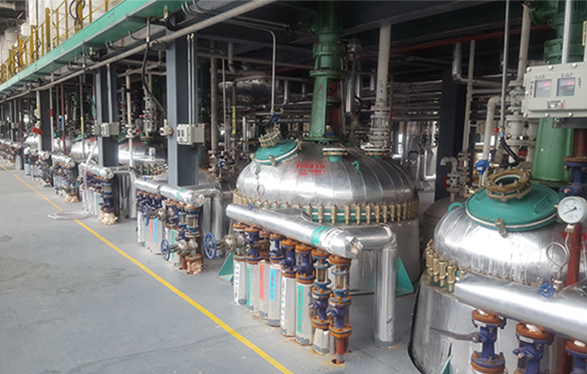
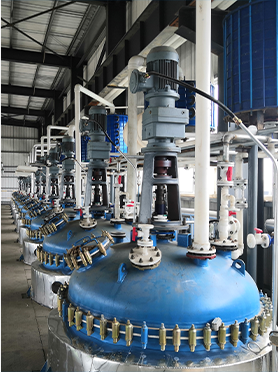
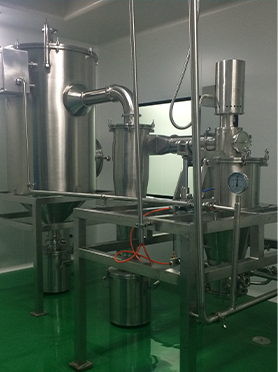
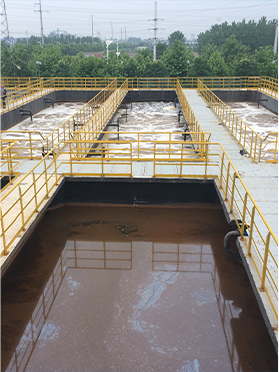
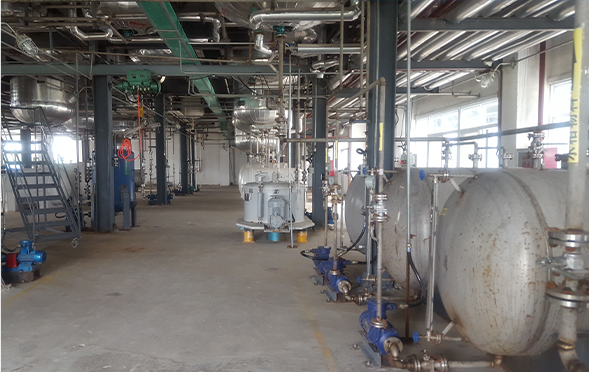
Manufacturing Facilities

Professional Export Experience
to Global Customers
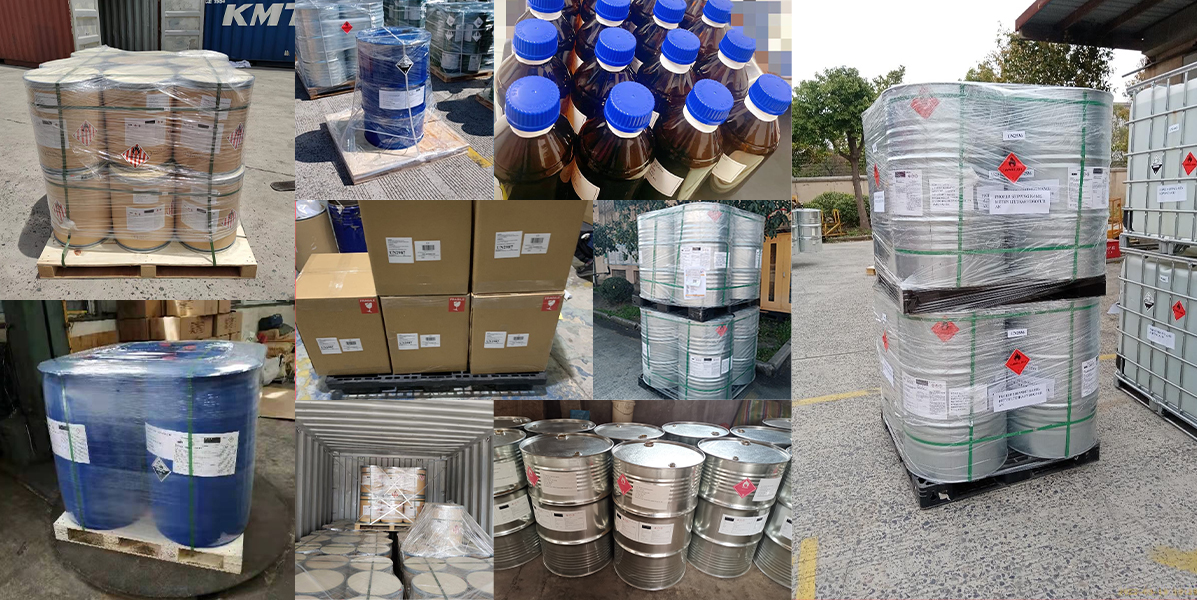
1. 20 years of R&D, manufacturing and sales experience, serving customers in 60 countries and regions around the world;
2. Own R&D laboratory, pilot platform and large-scale production workshop, which can meet the audit requirements of global customers;
3. We can satisfy customers' perfect transition from small scale lab requirements (gram level) to commercialization requirements (hundred tons level).
A: We don't have Minimum Order Quantity, exact quantity should be provided before quotation for us to calculate the exact cost.
A: We don't provide free samples due to lots of request and expensive international courier's cost, we can deduct the sample charge after commercial order placed.
A: Our payment terms: Small or sample order: T/T IN ADVANCE. Commercial order: First order should be by T/T IN ADVANCE or L/C at sight, and following orders T/T 30~90days is acceptable subject to approval of credit application.