
Custom Manufacturing, Project Outsourcing, your Trusted Partner from China
The global demand for Nicotinic Acid (CAS 59-67-6), a vital form of Vitamin B3, continues to grow, propelled by its extensive applications in pharmaceuticals, cosmetics, and animal feed. Historically reliant on chemical synthesis, the production landscape is now being transformed by advancements in biocatalysis. This shift towards enzymatic processes represents a significant innovation, offering more sustainable and efficient manufacturing routes. This article delves into these cutting-edge developments, examining 'Nicotinic Acid Production Technologies' and the impact of 'Biocatalysis in Chemical Manufacturing'.
Traditional chemical synthesis of nicotinic acid, while effective, often involves high temperatures, corrosive reagents, and the generation of byproducts. In response to environmental concerns and the pursuit of greater efficiency, biocatalytic methods have emerged as a superior alternative. These processes leverage the specificity and mild reaction conditions of enzymes, such as nitrilases and amidases, to convert substrates like 3-cyanopyridine into nicotinic acid. This 'Fine Chemical Synthesis' approach aligns with green chemistry principles.
Key to the success of biocatalysis are innovations in enzyme engineering and immobilization. Researchers are actively modifying enzymes through techniques like site-directed mutagenesis and directed evolution to enhance their catalytic efficiency, substrate tolerance, and stability. This continuous improvement is crucial for optimizing the production of 'vitamin B3 powder' and ensuring cost-effectiveness. Furthermore, enzyme immobilization techniques, such as entrapment in alginate beads or the creation of cross-linked enzyme aggregates (CLEAs), allow for the reuse of enzymes, reducing operational costs and facilitating continuous production processes. These advancements are critical for meeting the demand for 'nicotinic acid pharmaceutical grade' products.
The growing market for nicotinic acid, particularly the sustained interest in 'buy nicotinic acid' for pharmaceutical and feed additive applications, underscores the importance of these production innovations. The development of robust and efficient biocatalytic processes not only ensures a steady supply of high-quality nicotinic acid but also contributes to a more sustainable chemical industry. The ongoing research into new nitrilase discovery through metagenomics further promises to expand the repertoire of biocatalysts available.
In summary, the field of nicotinic acid production is rapidly evolving, with biocatalysis at the forefront of innovation. These advancements are crucial for meeting global demand while adhering to sustainable manufacturing practices, solidifying the importance of 'nicotinic acid 99%' in the market.
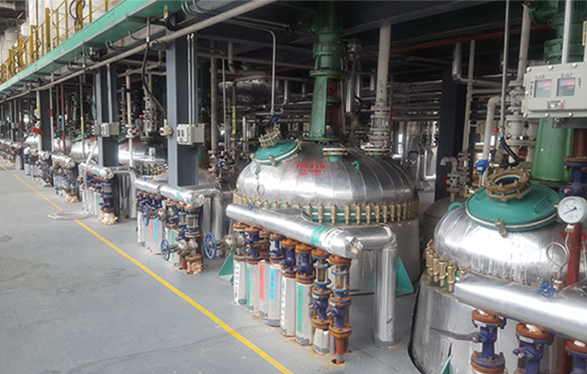
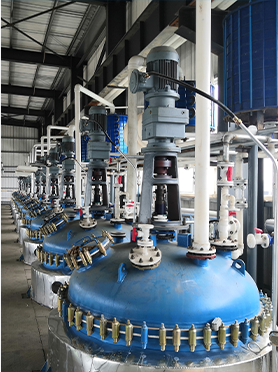
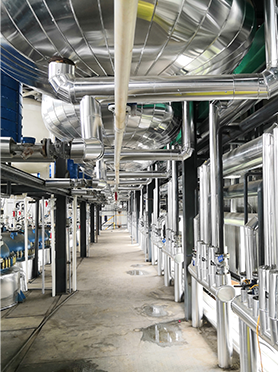
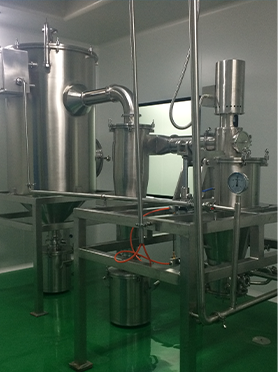
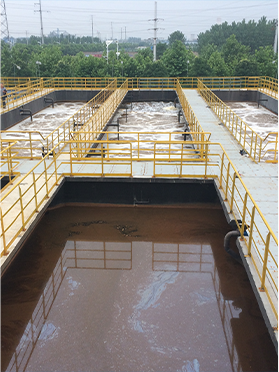
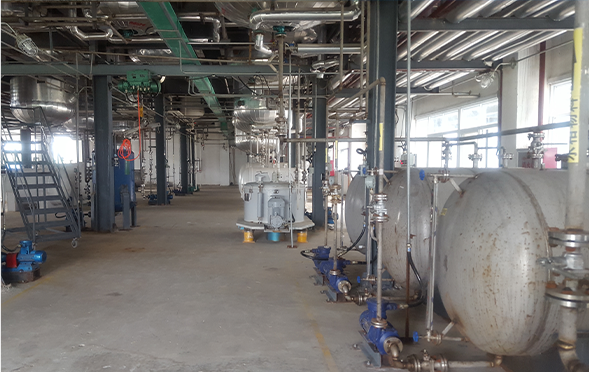
Manufacturing Facilities
Professional Export Experience
to Global Customers
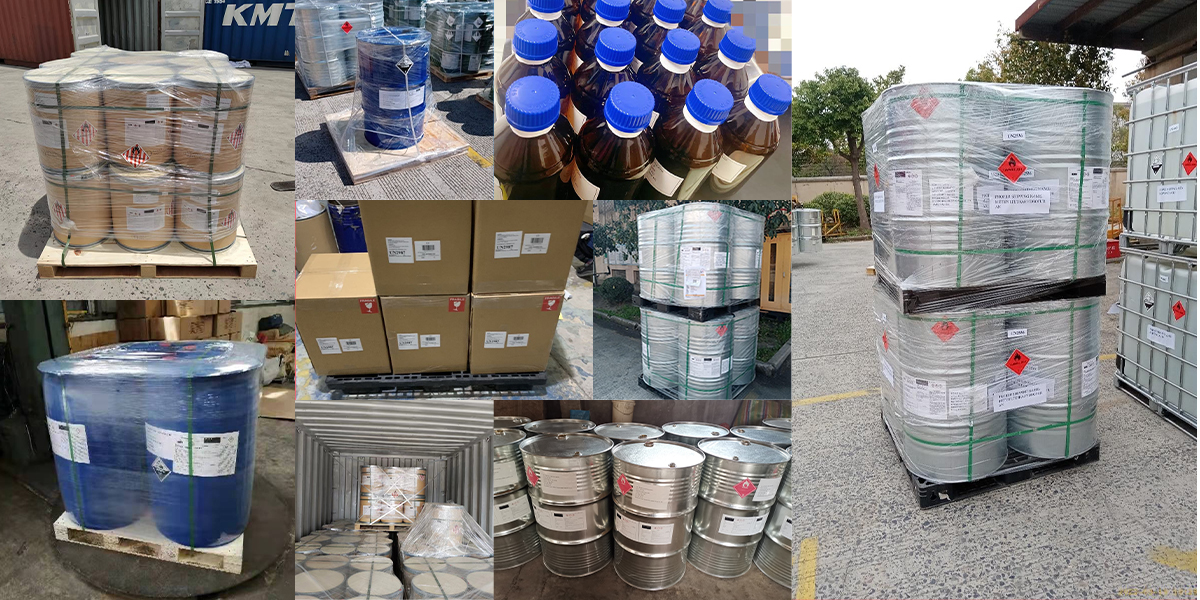
1. 20 years of R&D, manufacturing and sales experience, serving customers in 60 countries and regions around the world;
2. Own R&D laboratory, pilot platform and large-scale production workshop, which can meet the audit requirements of global customers;
3. We can satisfy customers' perfect transition from small scale lab requirements (gram level) to commercialization requirements (hundred tons level).
A: We don't have Minimum Order Quantity, exact quantity should be provided before quotation for us to calculate the exact cost.
A: We don't provide free samples due to lots of request and expensive international courier's cost, we can deduct the sample charge after commercial order placed.
A: Our payment terms: Small or sample order: T/T IN ADVANCE. Commercial order: First order should be by T/T IN ADVANCE or L/C at sight, and following orders T/T 30~90days is acceptable subject to approval of credit application.