
Custom Manufacturing, Project Outsourcing, your Trusted Partner from China
Water treatment technologies are constantly evolving to meet the challenges of providing clean water and managing wastewater effectively. Polyacrylamide (PAM) and its various forms—Anionic Polyacrylamide (APAM), Cationic Polyacrylamide (CPAM), and Non-ionic Polyacrylamide (NPAM)—have become indispensable tools in this field, offering innovative solutions for purification and separation processes.
The primary role of PAM in water treatment is as a flocculant. Its ability to aggregate suspended particles into larger, settleable flocs is fundamental to clarifying raw water and treating industrial effluents. The choice between APAM, CPAM, or NPAM depends on the specific characteristics of the wastewater, such as its pH and the charge of the suspended solids. For instance, APAM is highly effective in neutral to alkaline conditions for treating inorganic suspensions, while CPAM is preferred for acidic wastewater and sludge dewatering due to its strong affinity for negatively charged organic matter. Accurate determination of polyacrylamide flocculant dosage is crucial for achieving optimal results and cost-effectiveness.
Sludge dewatering is another critical area where PAM excels. Both APAM and CPAM are widely used to condition sludge, reducing its water content and making it easier to handle, transport, and dispose of. CPAM, in particular, is known for its high efficiency in dewatering municipal and industrial sludge, significantly reducing sludge volume and associated disposal costs. This application is vital for the sustainability of wastewater treatment plants.
Beyond traditional flocculation and dewatering, PAM derivatives are finding roles in more advanced water treatment processes. In Enhanced Oil Recovery (EOR), APAM's viscosity-enhancing properties help improve oil extraction efficiency. Its use in mining operations for solid-liquid separation and in papermaking as a retention aid further highlights its broad applicability. The understanding of anionic polyacrylamide chemical properties and other PAM types is key to their successful deployment.
The polyacrylamide manufacturing process is continuously refined to produce polymers with specific molecular weights and charge densities, catering to the precise needs of the water treatment sector. Innovations in polymer synthesis allow for more targeted and efficient performance, contributing to both environmental protection and operational efficiency.
As the demand for clean water increases and environmental regulations tighten, the role of Polyacrylamide in water treatment is set to grow. Its versatility, efficiency, and relatively low environmental impact make it a preferred choice for tackling complex water quality challenges.
NINGBO INNO PHARMCHEM CO.,LTD. is at the forefront of providing high-quality Polyacrylamide solutions for the water treatment industry. We are dedicated to offering products that enhance purification processes, promote sustainability, and meet the evolving needs of our clients.
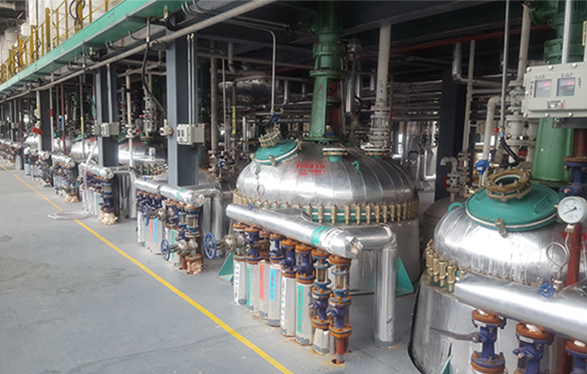
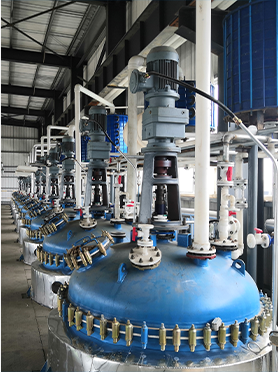
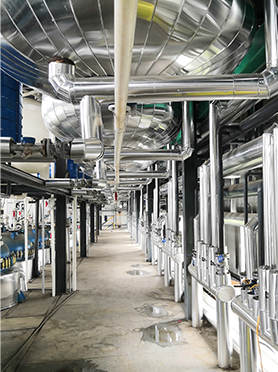
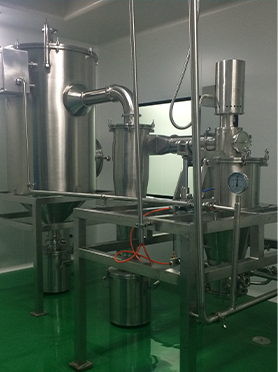
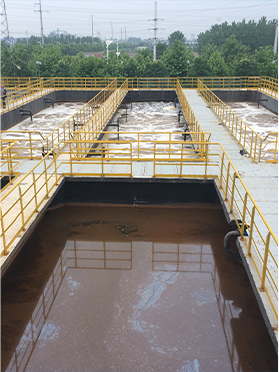
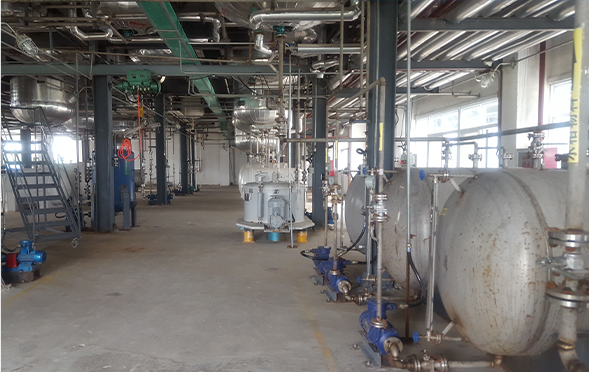
Manufacturing Facilities
Professional Export Experience
to Global Customers
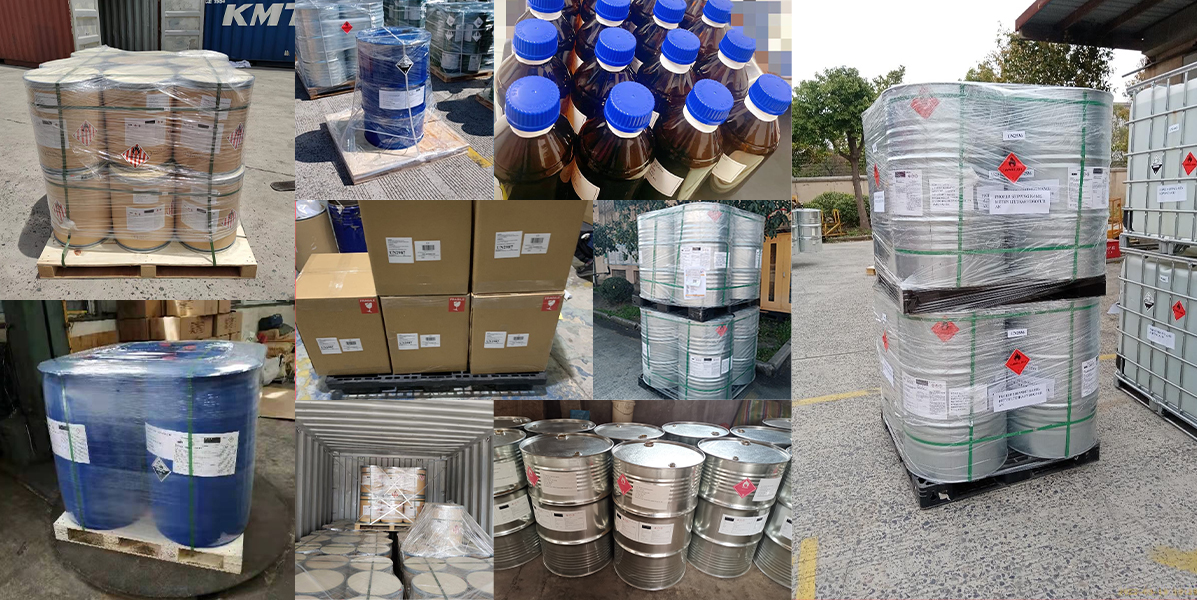
1. 20 years of R&D, manufacturing and sales experience, serving customers in 60 countries and regions around the world;
2. Own R&D laboratory, pilot platform and large-scale production workshop, which can meet the audit requirements of global customers;
3. We can satisfy customers' perfect transition from small scale lab requirements (gram level) to commercialization requirements (hundred tons level).
A: We don't have Minimum Order Quantity, exact quantity should be provided before quotation for us to calculate the exact cost.
A: We don't provide free samples due to lots of request and expensive international courier's cost, we can deduct the sample charge after commercial order placed.
A: Our payment terms: Small or sample order: T/T IN ADVANCE. Commercial order: First order should be by T/T IN ADVANCE or L/C at sight, and following orders T/T 30~90days is acceptable subject to approval of credit application.