
Custom Manufacturing, Project Outsourcing, your Trusted Partner from China
Water scarcity and pollution are growing global concerns, necessitating the development of advanced and efficient water treatment technologies. Among the most promising are advanced oxidation processes (AOPs), which utilize potent oxidizing agents to break down persistent organic pollutants. In this domain, heterogeneous catalysts play a crucial role, and copper phosphate has emerged as a leading contender for its exceptional performance.
The primary application driving the interest in copper phosphate is its efficacy in wastewater treatment, particularly for the removal of challenging contaminants like pharmaceutical residues. The catalytic mechanism often involves the activation of hydrogen peroxide (H2O2), a common oxidant, to generate highly reactive species, such as hydroxyl radicals (•OH). These radicals are instrumental in the oxidative degradation of molecules that are otherwise resistant to degradation.
When compared to other materials, copper phosphate stands out. For instance, in the context of ciprofloxacin degradation, studies have shown that copper phosphate catalysts offer significantly higher degradation rates than traditional catalysts like copper(II) oxide. This enhanced activity is attributed to the unique synergy between copper ions and phosphate anions within the catalyst structure, which optimizes the reaction pathways for pollutant breakdown. This makes it a superior choice for advanced oxidation process for antibiotic removal.
Furthermore, copper phosphate's utility is amplified in photo-assisted processes. In a photo-assisted Fenton-like reaction catalyst system, the catalyst's performance is further boosted by visible light irradiation. This combination not only increases the degradation efficiency but also offers a more sustainable energy input for the treatment process. The ability to generate ROS effectively, even under mild conditions, highlights the versatility of this material.
The practical benefits of using copper phosphate are substantial. As a heterogeneous catalyst, it ensures ease of separation from treated water, which is a critical factor for industrial implementation. Its stability and reusability across multiple treatment cycles mean reduced operational costs and a smaller environmental footprint, aligning with the principles of sustainable chemical engineering.
In summary, copper phosphate represents a significant innovation in water treatment technology. Its potent catalytic activity, especially in AOPs and photo-assisted processes, provides a powerful solution for tackling complex water pollution challenges. As research continues to refine its application, copper phosphate is set to become an indispensable tool in ensuring access to clean and safe water resources globally.
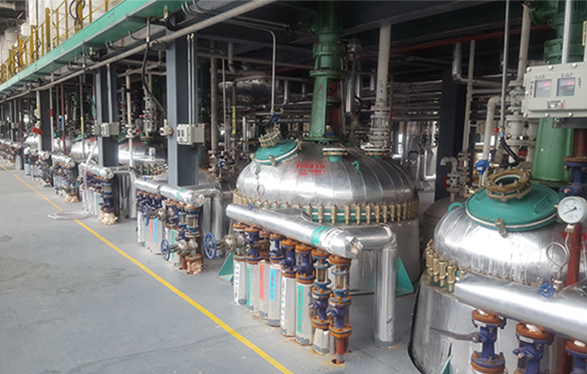
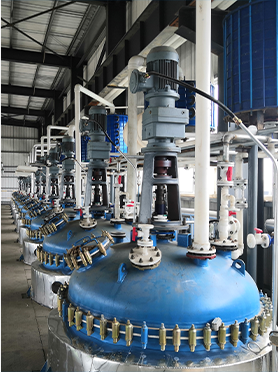
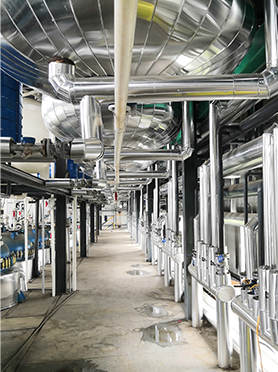
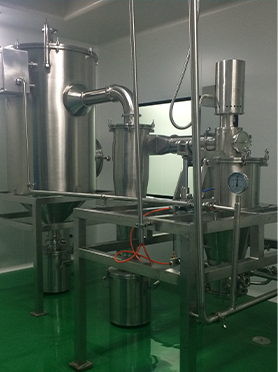
Manufacturing Facilities
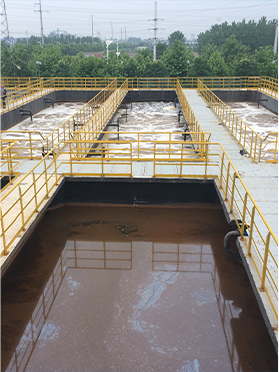
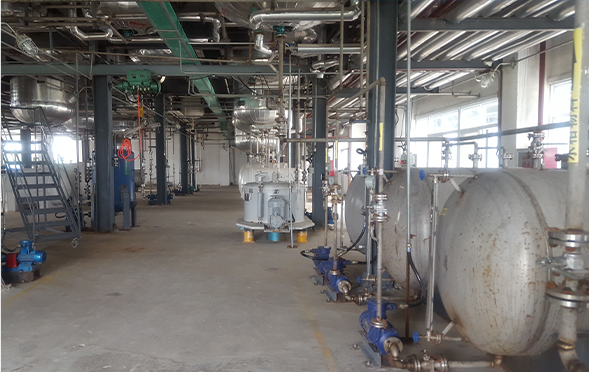
Professional Export Experience
to Global Customers
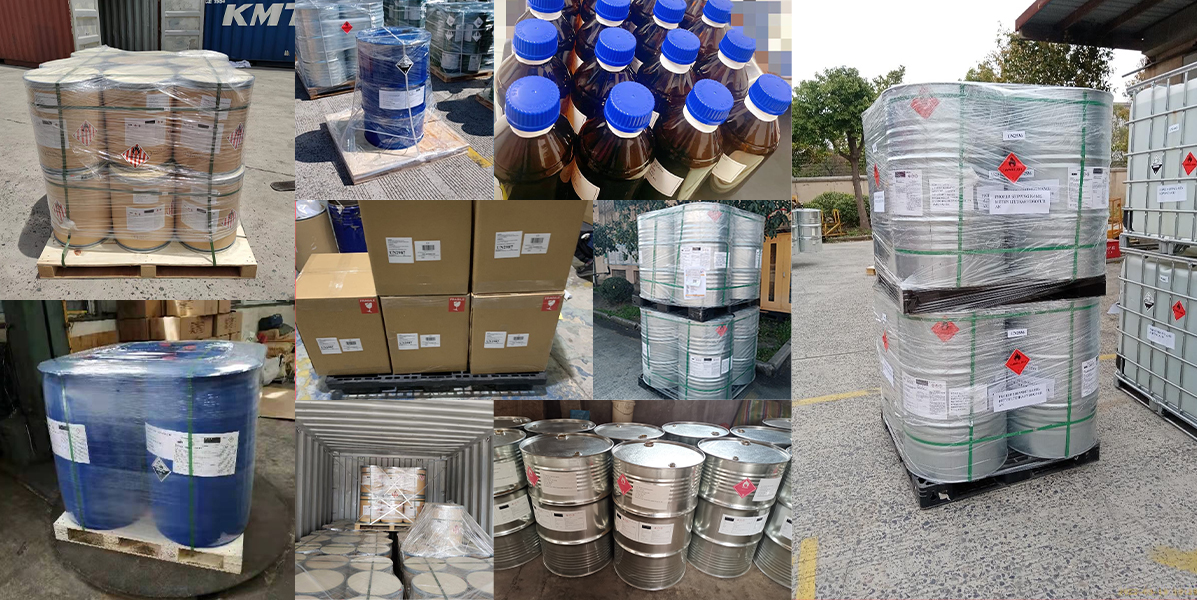
1. 20 years of R&D, manufacturing and sales experience, serving customers in 60 countries and regions around the world;
2. Own R&D laboratory, pilot platform and large-scale production workshop, which can meet the audit requirements of global customers;
3. We can satisfy customers' perfect transition from small scale lab requirements (gram level) to commercialization requirements (hundred tons level).
A: We don't have Minimum Order Quantity, exact quantity should be provided before quotation for us to calculate the exact cost.
A: We don't provide free samples due to lots of request and expensive international courier's cost, we can deduct the sample charge after commercial order placed.
A: Our payment terms: Small or sample order: T/T IN ADVANCE. Commercial order: First order should be by T/T IN ADVANCE or L/C at sight, and following orders T/T 30~90days is acceptable subject to approval of credit application.