
Custom Manufacturing, Project Outsourcing, your Trusted Partner from China
In the pharmaceutical industry, the efficacy of topical and transdermal drug delivery systems hinges not only on the active pharmaceutical ingredient (API) but also on the excipients used in the formulation. Isopropyl Myristate (IPM), a widely recognized emollient and penetration enhancer, plays a crucial role in optimizing these systems. This article explores the significant contributions of IPM to pharmaceutical topical formulations and the importance of sourcing this ingredient from reliable manufacturers.
Understanding Isopropyl Myristate (IPM) and Its Pharmaceutical Relevance
Isopropyl Myristate (CAS 110-27-0) is a synthetic ester derived from isopropyl alcohol and myristic acid. It is characterized by its low viscosity, colorless appearance, and virtually odorless nature, making it an unobtrusive yet highly functional ingredient. In pharmaceutical topical applications, IPM is primarily valued for two key properties: its emollient action and its ability to enhance skin penetration.
IPM as an Emollient: Improving Patient Comfort and Compliance
Topical medications are applied directly to the skin, and the sensory experience during application and post-application is critical for patient compliance. IPM's emollient properties provide a smooth, non-greasy feel, which is often a significant improvement over the potentially occlusive or heavy feel of some other oily components. This pleasant skin feel can make patients more inclined to use their prescribed treatments regularly, thereby improving therapeutic outcomes. For pharmaceutical companies looking to purchase Isopropyl Myristate, the focus on patient comfort makes it an attractive choice.
The Power of Penetration Enhancement
Perhaps IPM's most significant contribution to topical pharmaceuticals is its role as a penetration enhancer. The stratum corneum, the outermost layer of the skin, acts as a formidable barrier to the absorption of many APIs. IPM works by interacting with the lipid bilayers within the stratum corneum, increasing their fluidity and creating temporary pathways for the API to penetrate more effectively. This enhanced delivery can lead to:
This makes IPM an invaluable excipient in a wide array of topical formulations, including creams, ointments, gels, and patches designed for dermatological conditions, pain relief, or localized drug delivery.
Sourcing Pharmaceutical-Grade Isopropyl Myristate
For pharmaceutical applications, the quality and purity of Isopropyl Myristate are paramount. Manufacturers must source IPM that meets stringent regulatory standards, such as USP/NF (United States Pharmacopeia/National Formulary) or equivalent. When seeking to buy Isopropyl Myristate for pharmaceutical use, it is imperative to partner with a manufacturer that can provide:
As a reputable Isopropyl Myristate manufacturer and supplier in China, we are committed to meeting these rigorous pharmaceutical standards. We understand the critical nature of your formulations and strive to provide a reliable, high-quality supply of IPM to support your product development and manufacturing needs.
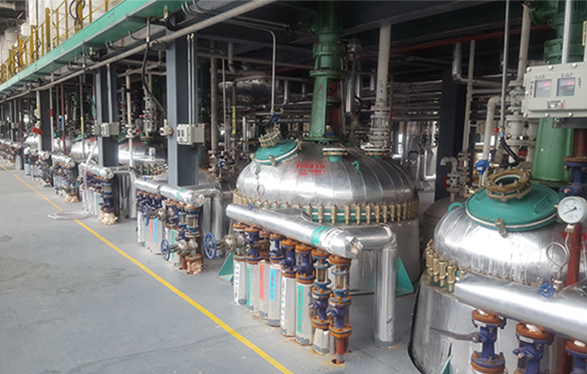
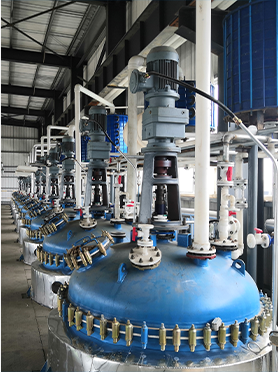
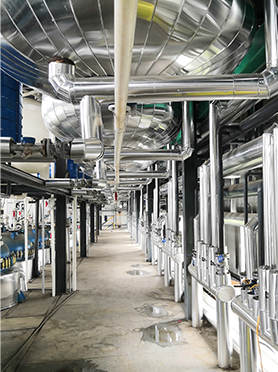
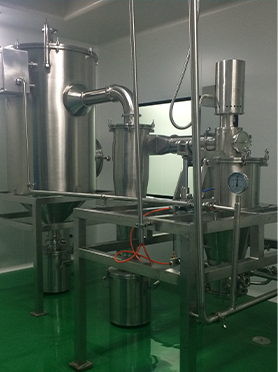
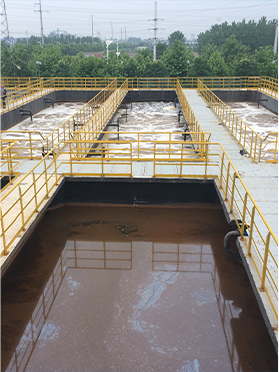
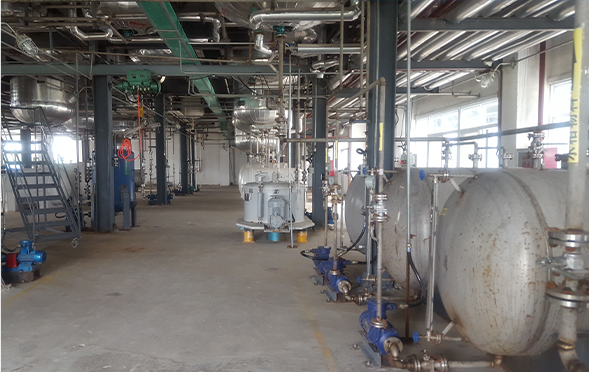
Manufacturing Facilities
Professional Export Experience
to Global Customers
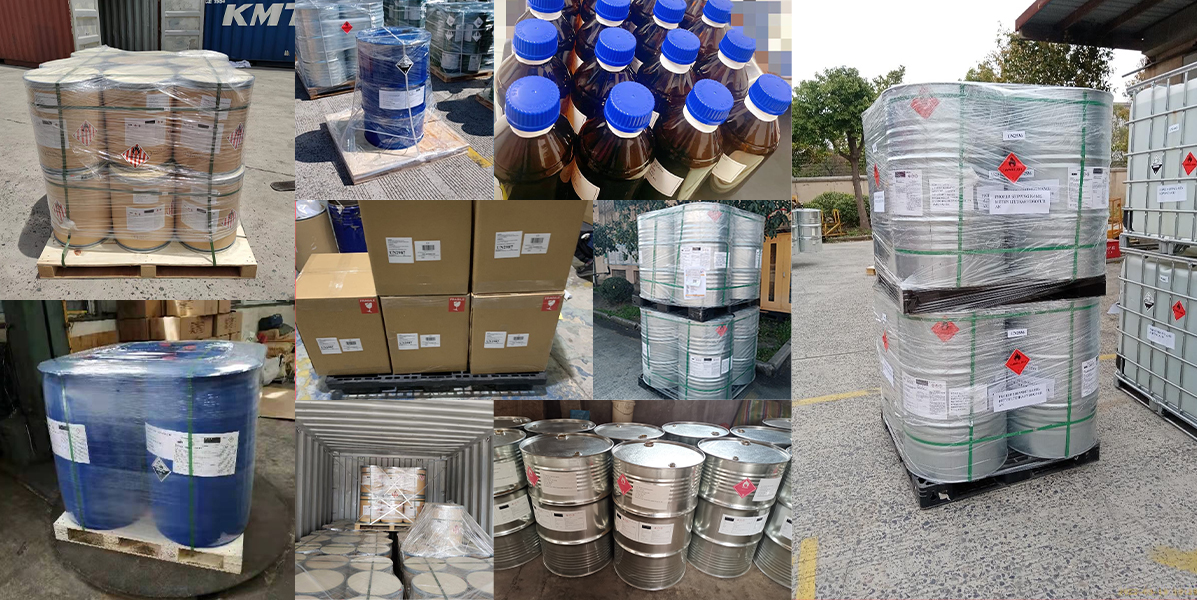
1. 20 years of R&D, manufacturing and sales experience, serving customers in 60 countries and regions around the world;
2. Own R&D laboratory, pilot platform and large-scale production workshop, which can meet the audit requirements of global customers;
3. We can satisfy customers' perfect transition from small scale lab requirements (gram level) to commercialization requirements (hundred tons level).
A: We don't have Minimum Order Quantity, exact quantity should be provided before quotation for us to calculate the exact cost.
A: We don't provide free samples due to lots of request and expensive international courier's cost, we can deduct the sample charge after commercial order placed.
A: Our payment terms: Small or sample order: T/T IN ADVANCE. Commercial order: First order should be by T/T IN ADVANCE or L/C at sight, and following orders T/T 30~90days is acceptable subject to approval of credit application.