
Custom Manufacturing, Project Outsourcing, your Trusted Partner from China
The rapid evolution of electronic devices is heavily reliant on advancements in material science. Within this domain, organic compounds play an increasingly significant role, particularly in the development of next-generation displays and lighting. One such critical intermediate is 4-Methyl Ester of 2,4-Pyridinedicarboxylic Acid (CAS 24195-03-7), a versatile molecule with substantial applications in the electronics industry, most notably in Organic Light-Emitting Diode (OLED) technology.
Understanding the Compound's Structure and Properties
4-Methyl Ester of 2,4-Pyridinedicarboxylic Acid is a derivative of pyridine, a heterocyclic aromatic organic compound. Its structure features a pyridine ring functionalized with a methyl ester group and two carboxylic acid groups at specific positions. This arrangement imparts unique electronic and chemical properties, making it an excellent precursor for synthesizing more complex functional molecules. Typically available at high purity levels, such as 99%, this compound can be supplied in powder or liquid form, catering to diverse synthesis requirements. Researchers and procurement managers often search for 'buy 4-methyl ester of 2,4-pyridinedicarboxylic acid 99% purity' to ensure they obtain the quality necessary for demanding applications.
Primary Application: OLED Materials Synthesis
The most prominent application of 4-Methyl Ester of 2,4-Pyridinedicarboxylic Acid is as an intermediate in the synthesis of OLED materials. OLEDs are revolutionizing display technology with their vibrant colors, deep blacks, energy efficiency, and flexibility. The performance of an OLED device is intricately linked to the properties of its constituent organic layers, including charge transport layers, emissive layers, and blocking layers. Pyridine derivatives, due to their electron-deficient nature and ability to form stable complexes, are often incorporated into these materials to tune their electronic and optical characteristics. This intermediate serves as a vital building block for creating advanced emitters and host materials that contribute to brighter, more efficient, and longer-lasting OLED displays.
Other Potential Electronic Applications
Beyond OLEDs, the versatile nature of this pyridine derivative suggests potential applications in other areas of electronic materials research. Its structure could be leveraged in the development of:
For companies involved in the production of these advanced electronic components, securing a reliable supply of high-quality intermediates is critical. Partnering with a reputable manufacturer and supplier, particularly one offering 'CAS 24195-03-7 for sale' with guaranteed purity and efficient logistics, is essential for maintaining production timelines and fostering innovation. A trusted supplier in China can provide these critical materials efficiently and at competitive pricing.
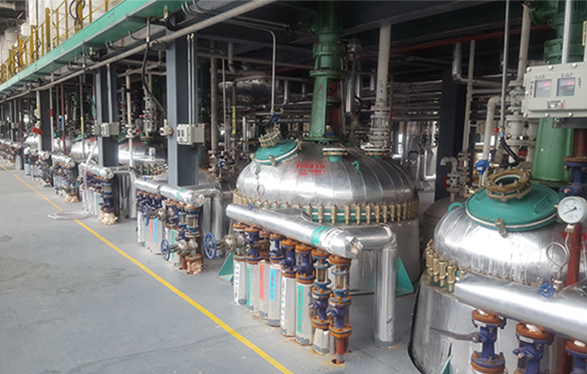
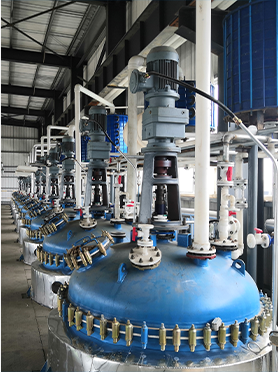
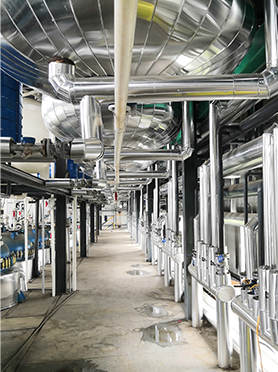
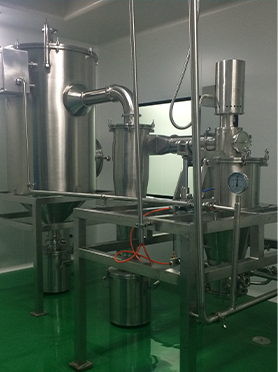
Manufacturing Facilities
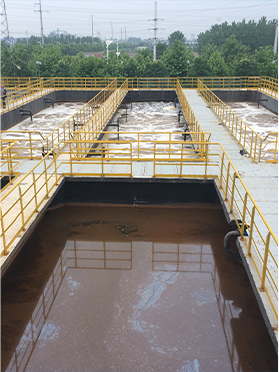
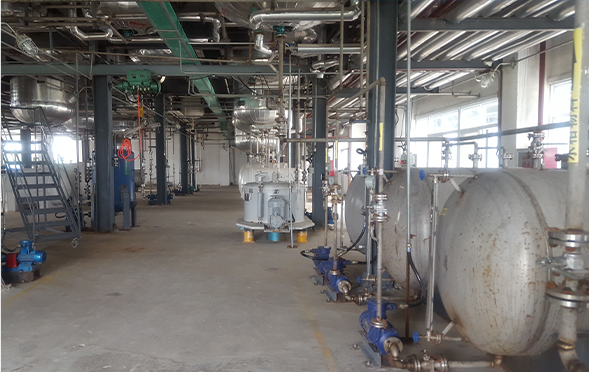
Professional Export Experience
to Global Customers
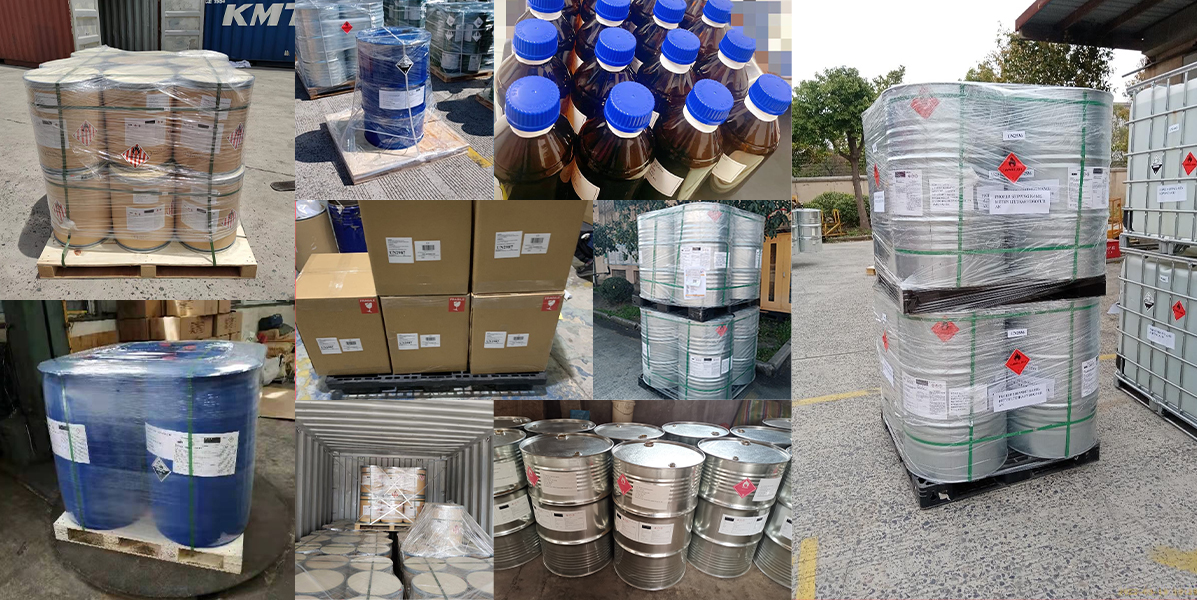
1. 20 years of R&D, manufacturing and sales experience, serving customers in 60 countries and regions around the world;
2. Own R&D laboratory, pilot platform and large-scale production workshop, which can meet the audit requirements of global customers;
3. We can satisfy customers' perfect transition from small scale lab requirements (gram level) to commercialization requirements (hundred tons level).
A: We don't have Minimum Order Quantity, exact quantity should be provided before quotation for us to calculate the exact cost.
A: We don't provide free samples due to lots of request and expensive international courier's cost, we can deduct the sample charge after commercial order placed.
A: Our payment terms: Small or sample order: T/T IN ADVANCE. Commercial order: First order should be by T/T IN ADVANCE or L/C at sight, and following orders T/T 30~90days is acceptable subject to approval of credit application.