
Custom Manufacturing, Project Outsourcing, your Trusted Partner from China
For professionals in the textile printing industry, selecting the correct acrylic thickener is vital for achieving consistent and high-quality results. These additives are the silent architects behind the perfect rheology of pigment printing pastes, influencing everything from print definition to color yield. As a manufacturer and supplier of specialized textile chemicals, we believe that informed purchasing decisions lead to better outcomes. This guide outlines the key specifications buyers should scrutinize when looking to purchase acrylic paint thickeners for textile applications.
One of the primary technical specifications to consider is the solid content. This indicates the percentage of active thickening agent in the product. Higher solid content generally means greater thickening efficiency, allowing for lower dosage rates and potentially reducing overall formulation costs. When you buy an acrylic thickener, checking the solid content ensures you are getting maximum value and effectiveness. Our Acrylic Synthetic PTF Thickener, for instance, is formulated with a high solid content, typically ≥60%, providing robust thickening power.
The pH value of the thickener is another critical parameter. Most acrylic thickeners function optimally within a specific pH range, which influences their thickening efficiency and stability. For pigment printing pastes, a slightly alkaline pH is often preferred for compatibility with binders and pigments, and to maintain the integrity of the print. When you purchase a thickener, understanding its pH (e.g., 6-7 as per industry standards) helps in predicting its behavior in your specific formulation. Ensuring the pH is suitable for your application is a key step for any buyer.
Reactive content is also a crucial specification, particularly for polymer-based thickeners. This refers to the functional groups within the polymer chain that are responsible for the thickening mechanism. A higher reactive content often translates to better performance characteristics, such as improved stability and faster thickening response. While specific reactive content percentages can vary, understanding this aspect helps in comparing different products and selecting one that offers reliable and predictable performance. Manufacturers looking for predictable results should prioritize products with clearly defined reactive content.
When you buy acrylic thickeners, it's also important to consider the product's form and any specific usage requirements. For example, whether it requires ammonia for dispersion or can be easily incorporated into the paste. Some thickeners, like ours, can be made into a paste rapidly without the need for ammonia, simplifying the formulation process and reducing operational complexity. This ease of use is a significant advantage for textile manufacturers aiming to streamline their production. We are a leading chemical supplier in China, offering products that meet these precise technical needs for your textile printing operations.
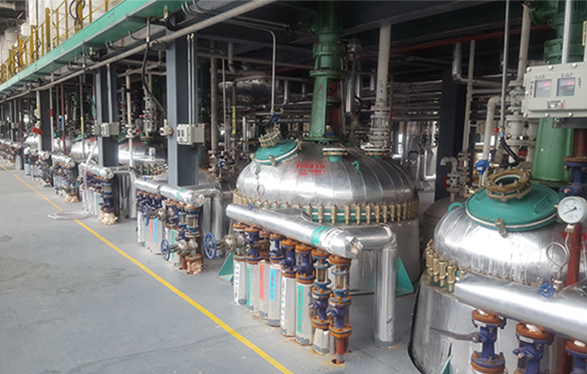
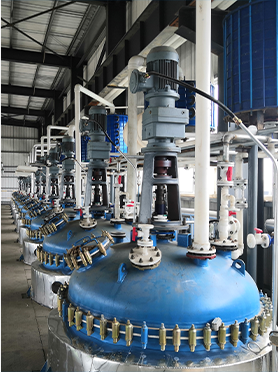
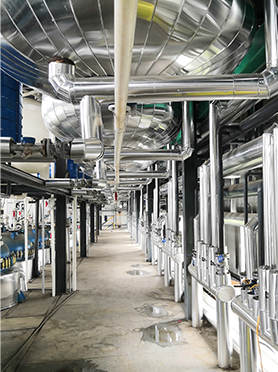
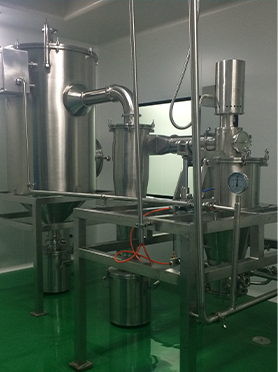
Manufacturing Facilities
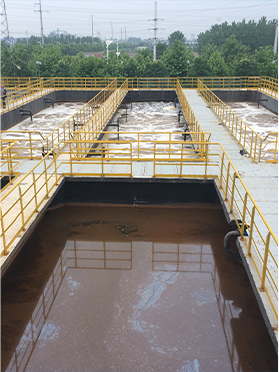
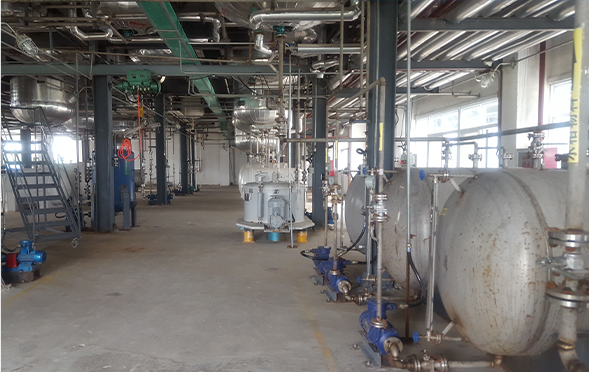
Professional Export Experience
to Global Customers
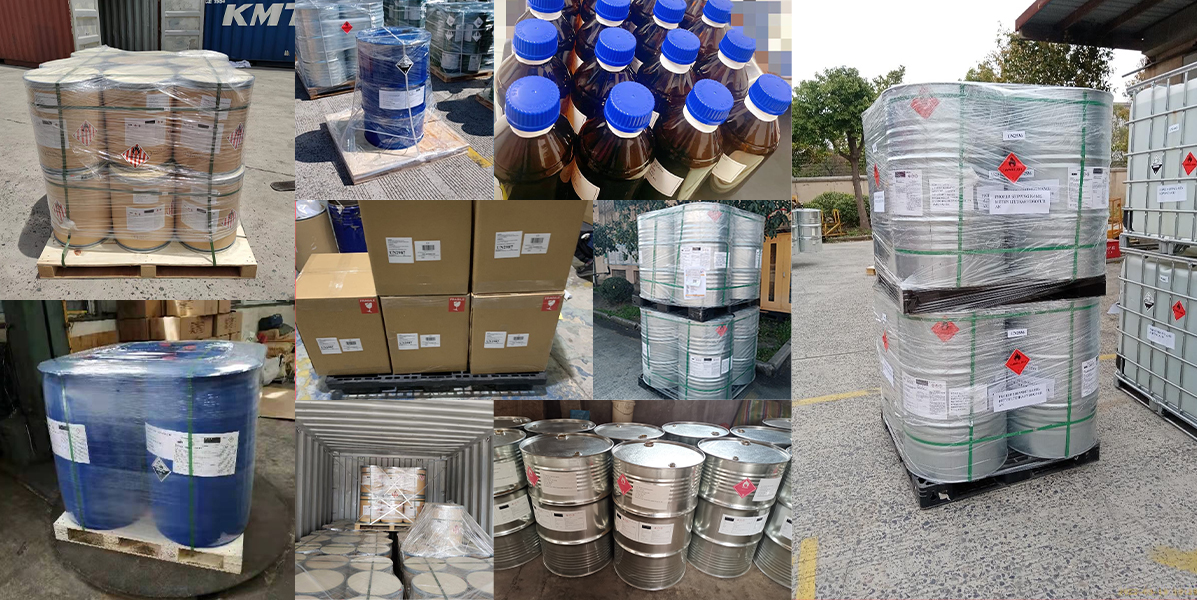
1. 20 years of R&D, manufacturing and sales experience, serving customers in 60 countries and regions around the world;
2. Own R&D laboratory, pilot platform and large-scale production workshop, which can meet the audit requirements of global customers;
3. We can satisfy customers' perfect transition from small scale lab requirements (gram level) to commercialization requirements (hundred tons level).
A: We don't have Minimum Order Quantity, exact quantity should be provided before quotation for us to calculate the exact cost.
A: We don't provide free samples due to lots of request and expensive international courier's cost, we can deduct the sample charge after commercial order placed.
A: Our payment terms: Small or sample order: T/T IN ADVANCE. Commercial order: First order should be by T/T IN ADVANCE or L/C at sight, and following orders T/T 30~90days is acceptable subject to approval of credit application.