
Custom Manufacturing, Project Outsourcing, your Trusted Partner from China
The food industry constantly seeks ingredients that can improve product quality, shelf-life, and consumer appeal. Lactose Monohydrate (CAS 64044-51-5), also known as milk sugar, is a staple ingredient that plays a multifaceted role in food product enhancement. For food scientists and procurement specialists, understanding its applications and how to source it effectively is key to product innovation and manufacturing efficiency.
Lactose Monohydrate is a carbohydrate naturally found in milk. It is derived from cow's milk and typically appears as a fine, white to pale yellow powder. Its chemical structure, consisting of galactose and glucose, contributes to its mild sweetness and unique functional properties. These attributes make it a highly versatile ingredient across a broad spectrum of food applications.
One of the primary uses of Lactose Monohydrate in the food industry is as a sweetener. While less sweet than sucrose, its subtle sweetness provides a pleasant taste profile without overpowering other flavors, making it ideal for products where a delicate sweetness is desired. It is frequently incorporated into infant formulas, where its composition mimics that of human milk, providing essential carbohydrates for infant nutrition.
Beyond its sweetening capabilities, Lactose Monohydrate functions effectively as a stabilizer and bulking agent. In processed foods such as baked goods, confectionery, and dairy products, it helps to maintain texture, prevent sugar crystallization, and improve mouthfeel. Its ability to bind water also contributes to the stability of food matrices, enhancing product consistency and shelf-life.
For manufacturers looking to buy Lactose Monohydrate, sourcing from reputable chemical suppliers is crucial to ensure food-grade quality and safety. Suppliers often provide detailed specifications, including purity levels (typically around 98%), particle size, and compliance with relevant food safety standards. The CAS number 64044-51-5 is the definitive identifier for this compound.
When considering bulk purchases, partnering with manufacturers in China can offer significant advantages in terms of volume, cost-effectiveness, and a stable supply chain. It is advisable for procurement teams to request samples and inquire about pricing from multiple suppliers to secure the best terms. Understanding the ingredient's role in specific food formulations – whether for bakery, confectionery, or prepared meals – helps in specifying the required grade and quantity.
In conclusion, Lactose Monohydrate is an indispensable ingredient for food manufacturers, contributing to taste, texture, and stability. Its broad applicability from infant nutrition to confectionery makes it a cornerstone ingredient. By engaging with trusted suppliers and understanding the product's specifications, food businesses can leverage Lactose Monohydrate to create higher-quality and more appealing food products.
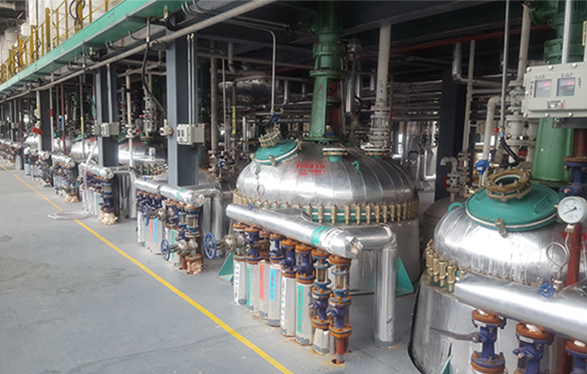
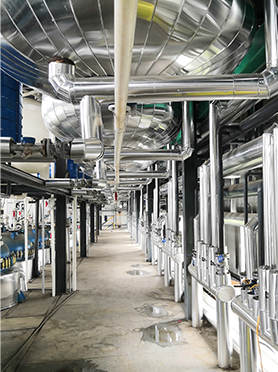
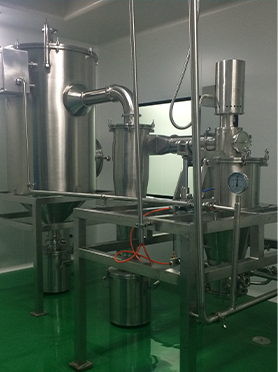
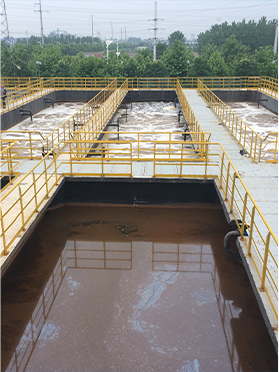
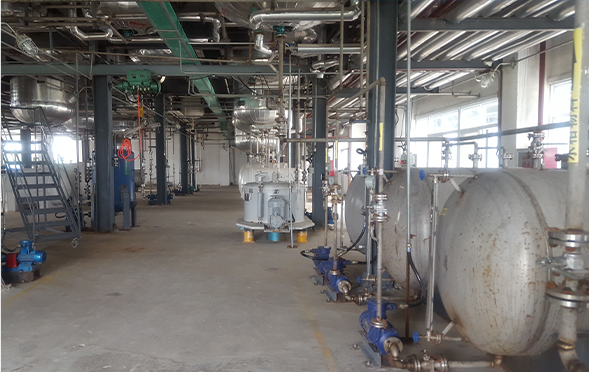
Manufacturing Facilities

Professional Export Experience
to Global Customers
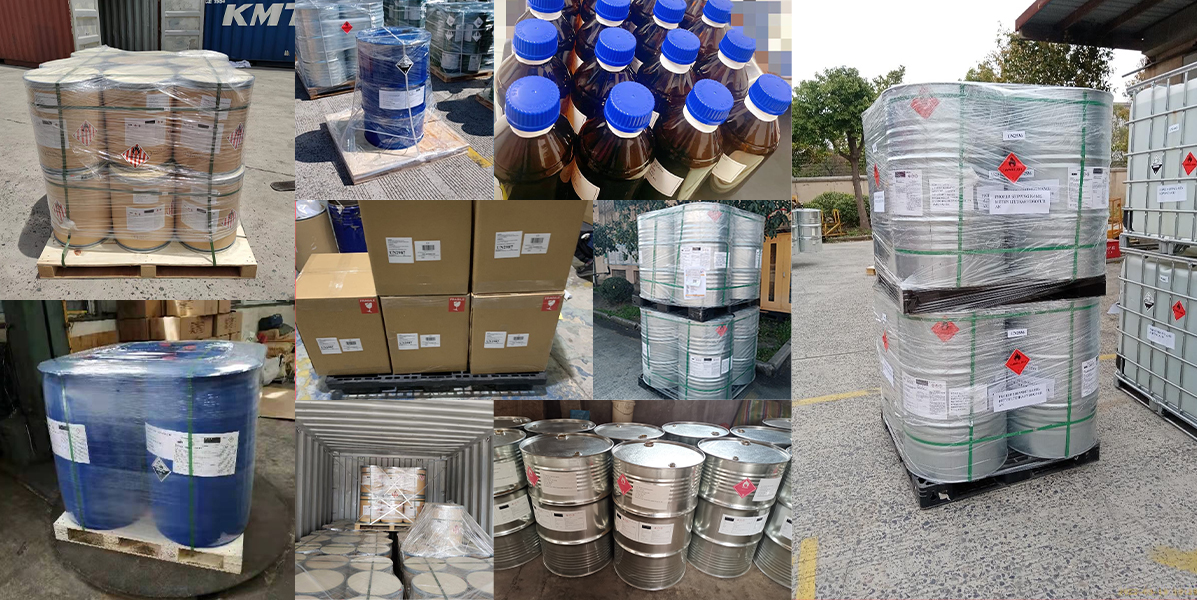
1. 20 years of R&D, manufacturing and sales experience, serving customers in 60 countries and regions around the world;
2. Own R&D laboratory, pilot platform and large-scale production workshop, which can meet the audit requirements of global customers;
3. We can satisfy customers' perfect transition from small scale lab requirements (gram level) to commercialization requirements (hundred tons level).
A: We don't have Minimum Order Quantity, exact quantity should be provided before quotation for us to calculate the exact cost.
A: We don't provide free samples due to lots of request and expensive international courier's cost, we can deduct the sample charge after commercial order placed.
A: Our payment terms: Small or sample order: T/T IN ADVANCE. Commercial order: First order should be by T/T IN ADVANCE or L/C at sight, and following orders T/T 30~90days is acceptable subject to approval of credit application.