
Custom Manufacturing, Project Outsourcing, your Trusted Partner from China
The shift towards LED curing technology in industrial processes is accelerating, driven by its energy efficiency, longer lifespan, and ability to emit specific wavelengths. For this transition to be successful, the right photoinitiators are essential. 4-Benzoyl-4'-methyldiphenyl sulfide (BMS), CAS No. 83846-85-9, a robust Type II photoinitiator, proves to be highly effective in LED curing applications, offering significant advantages to manufacturers.
Why BMS is Suitable for LED Curing
LED curing systems typically emit light in narrow spectral bands, often in the UVA range (365 nm, 395 nm, 405 nm). BMS exhibits absorption characteristics that align well with these wavelengths, allowing it to efficiently absorb the emitted light and initiate the polymerization process. As a Type II photoinitiator, it works in conjunction with amine synergists to generate free radicals through a hydrogen abstraction mechanism. This combination is key to achieving effective curing in LED systems:
When considering purchasing BMS for LED curing applications, it's important to note that formulation optimization is key. Typical concentrations range from 0.5% to 5%, and the choice of synergist and other formulation components will significantly impact the final cure performance.
Applications in LED Curing
The efficiency and versatility of BMS make it a valuable component in various LED-cured products:
1. Advanced Coatings: BMS is used in LED curable coatings for wood, plastics, and metals, providing excellent hardness, chemical resistance, and aesthetic appeal. The precise wavelength output of LEDs, combined with BMS, allows for highly controlled curing, minimizing heat generation.
2. High-Speed Printing Inks: In the printing industry, LED curing enables faster print speeds and lower energy costs. BMS-based ink formulations offer excellent color rendition and adhesion on diverse substrates.
3. Specialty Adhesives: From electronics assembly to demanding industrial applications, LED curable adhesives formulated with BMS provide rapid, reliable bonding. Their precise curing capabilities are critical for intricate assemblies.
4. 3D Printing and Additive Manufacturing: BMS can be incorporated into photopolymer resins for 3D printing, enabling rapid layer-by-layer curing with LED light sources for creating complex parts.
Sourcing BMS for Your LED Curing Needs
For manufacturers and formulators looking to integrate LED curing into their processes, sourcing high-quality BMS is essential. When you decide to buy BMS, it is important to partner with a reliable manufacturer or supplier. Key considerations include:
By leveraging the capabilities of BMS (CAS 83846-85-9) and working with trusted suppliers, businesses can effectively harness the benefits of LED curing technology, achieving greater efficiency and superior product outcomes.
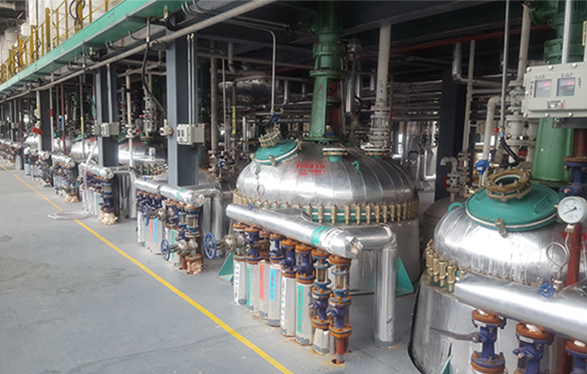
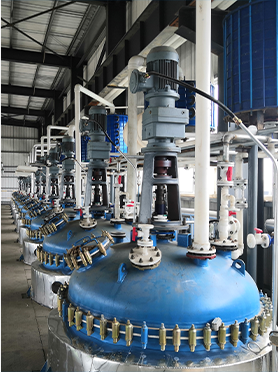
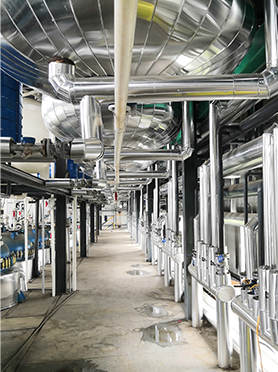
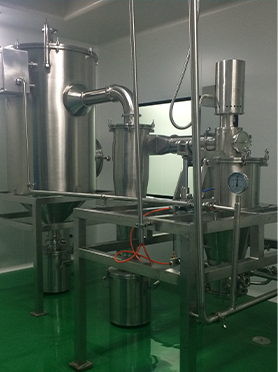
Manufacturing Facilities
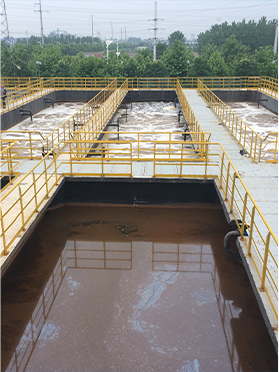
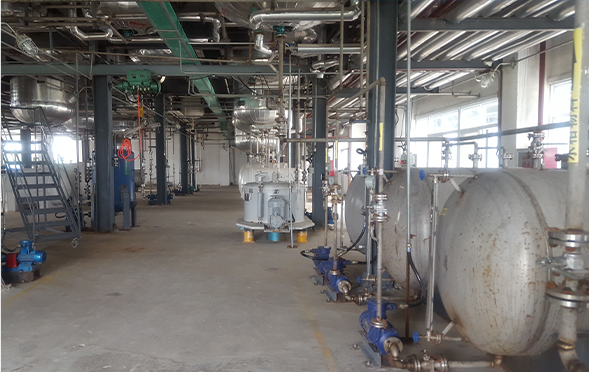
Professional Export Experience
to Global Customers
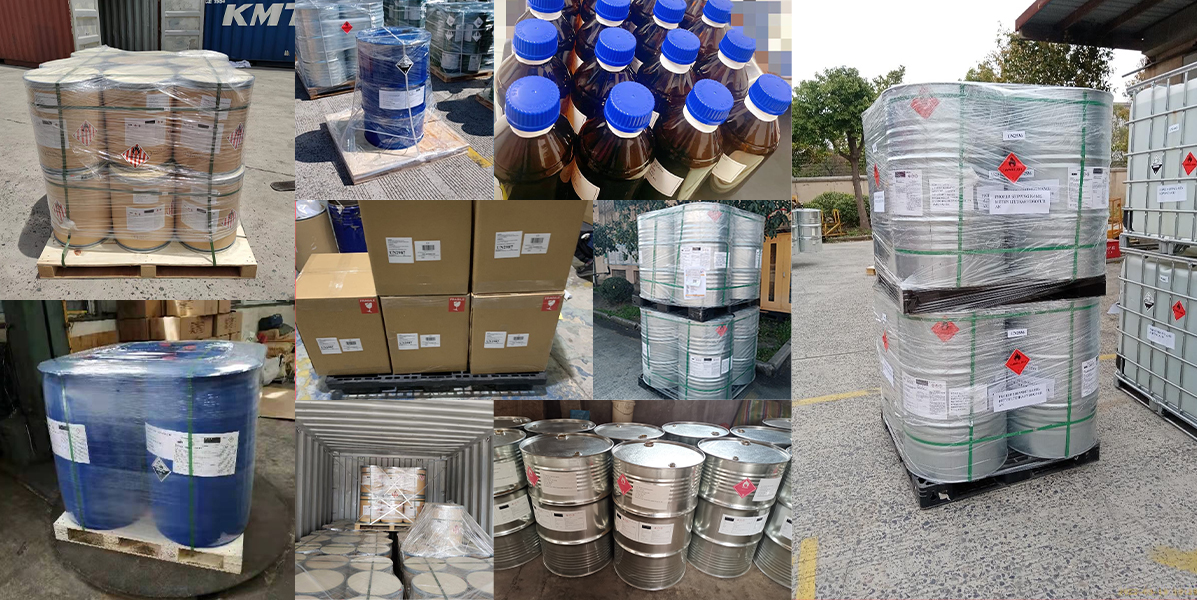
1. 20 years of R&D, manufacturing and sales experience, serving customers in 60 countries and regions around the world;
2. Own R&D laboratory, pilot platform and large-scale production workshop, which can meet the audit requirements of global customers;
3. We can satisfy customers' perfect transition from small scale lab requirements (gram level) to commercialization requirements (hundred tons level).
A: We don't have Minimum Order Quantity, exact quantity should be provided before quotation for us to calculate the exact cost.
A: We don't provide free samples due to lots of request and expensive international courier's cost, we can deduct the sample charge after commercial order placed.
A: Our payment terms: Small or sample order: T/T IN ADVANCE. Commercial order: First order should be by T/T IN ADVANCE or L/C at sight, and following orders T/T 30~90days is acceptable subject to approval of credit application.