
Custom Manufacturing, Project Outsourcing, your Trusted Partner from China
Lidocaine HCl is a cornerstone in clinical practice, primarily recognized for its efficacy in pain management through local anesthesia. Its application in dentistry is widespread, providing dentists with the ability to perform procedures with minimal patient discomfort. Whether for infiltration anesthesia or nerve blocks, lidocaine hydrochloride in dentistry offers a rapid onset and reliable duration of action, crucial for a successful patient experience.
Beyond the dental chair, lidocaine hydrochloride for anesthesia is indispensable in surgical settings. It's used for infiltration anesthesia, peripheral nerve blocks, and central neural blocks like epidural and caudal anesthesia. The ability to provide targeted numbing allows for a wide range of surgical interventions, from minor procedures to more complex surgeries, enhancing patient safety and comfort. Healthcare providers rely on understanding lidocaine hcl uses to select the appropriate administration method.
Lidocaine HCl's utility extends to managing cardiac conditions. As an antiarrhythmic agent, it is vital in treating ventricular arrhythmias, particularly in acute myocardial infarction and during cardiac surgery. Its effectiveness in stabilizing heart rhythms, as detailed in discussions of lidocaine hcl for arrhythmias, makes it a critical emergency medication.
The topical applications of Lidocaine HCl are also extensive. It provides relief from skin irritations, minor burns, insect bites, and neuropathic pain. The development of lidocaine patches offers a sustained-release option for chronic pain management, such as post-herpetic neuralgia. Furthermore, its use in oral solutions helps alleviate discomfort from sore mouths and throats, a common issue for patients undergoing chemotherapy or radiation therapy.
Safe and effective use of Lidocaine HCl requires careful attention to lidocaine hcl dosage and potential adverse effects. Understanding lidocaine hydrochloride precautions and being aware of possible lidocaine hcl drug interactions are paramount. For example, combining lidocaine with certain cardiac medications or drugs affecting liver metabolism can lead to adverse outcomes. Healthcare professionals must continuously educate themselves on these aspects to ensure optimal patient care and minimize risks associated with lidocaine hcl side effects.
In summary, Lidocaine HCl is a highly versatile pharmaceutical compound. Its application in pain management, cardiac health, and various medical procedures highlights its importance. By focusing on practical lidocaine hydrochloride topical applications and adhering to safety guidelines, practitioners can continue to leverage the benefits of this essential medication.
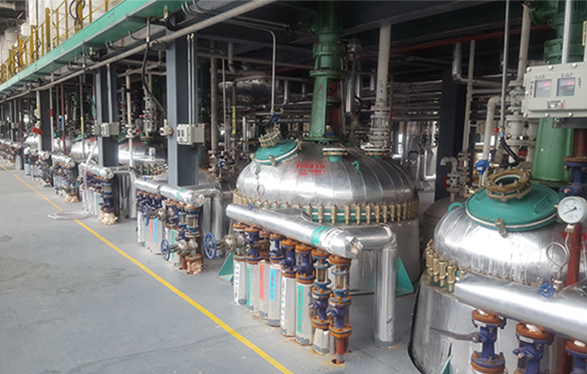
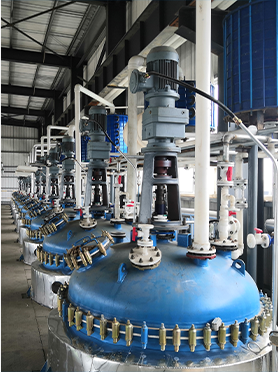
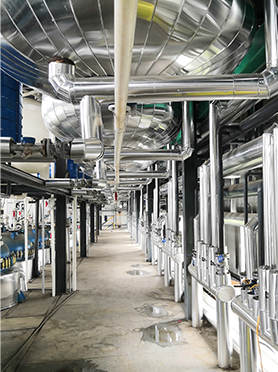
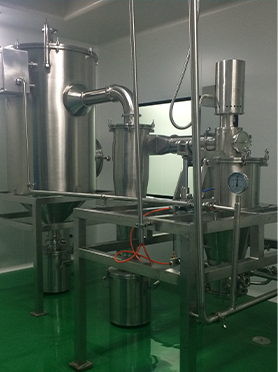
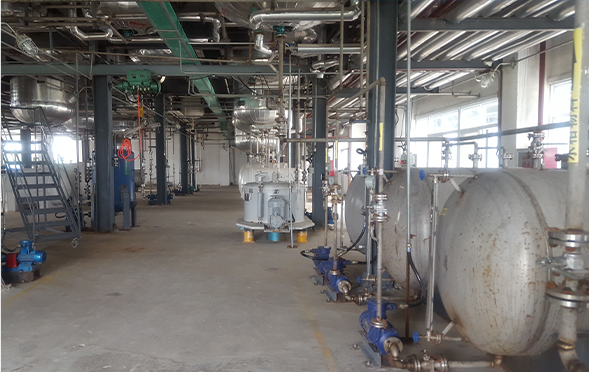
Manufacturing Facilities

Professional Export Experience
to Global Customers
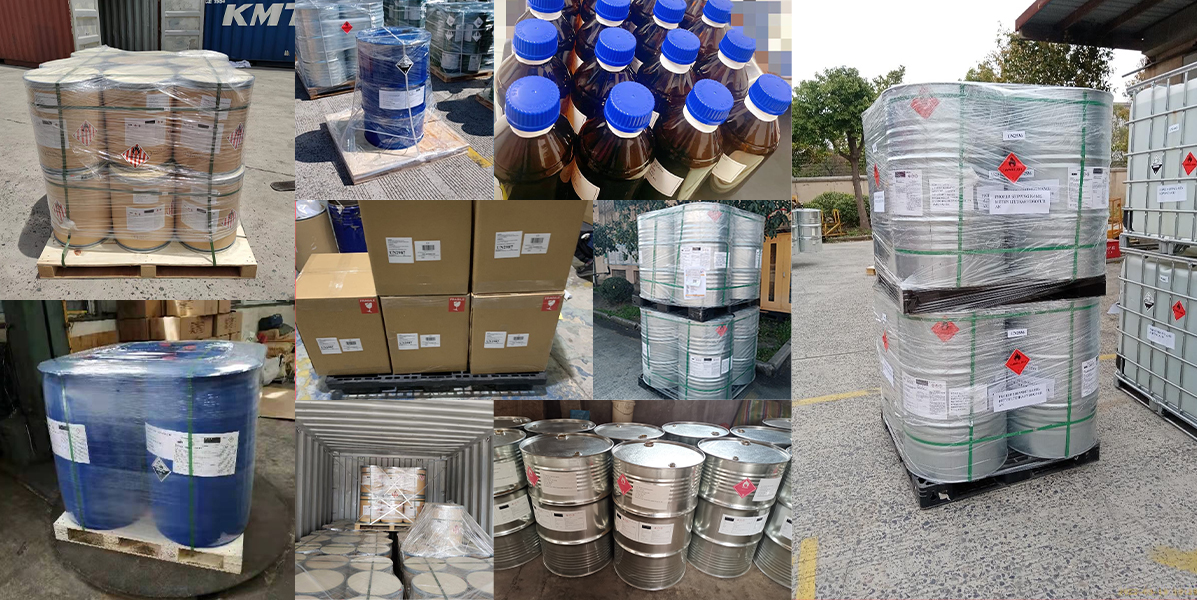
1. 20 years of R&D, manufacturing and sales experience, serving customers in 60 countries and regions around the world;
2. Own R&D laboratory, pilot platform and large-scale production workshop, which can meet the audit requirements of global customers;
3. We can satisfy customers' perfect transition from small scale lab requirements (gram level) to commercialization requirements (hundred tons level).
A: We don't have Minimum Order Quantity, exact quantity should be provided before quotation for us to calculate the exact cost.
A: We don't provide free samples due to lots of request and expensive international courier's cost, we can deduct the sample charge after commercial order placed.
A: Our payment terms: Small or sample order: T/T IN ADVANCE. Commercial order: First order should be by T/T IN ADVANCE or L/C at sight, and following orders T/T 30~90days is acceptable subject to approval of credit application.