
Custom Manufacturing, Project Outsourcing, your Trusted Partner from China
The development of high-performance composite materials hinges on selecting the right combination of reinforcing fibers, resin matrices, and fillers. Hollow glass microspheres are increasingly recognized as a superior filler option, offering a compelling blend of weight reduction and mechanical enhancement. For engineers and product developers in sectors like automotive, aerospace, and construction, understanding how to buy and utilize these materials is crucial for innovation.
The fundamental advantage of hollow glass microspheres in composites lies in their extraordinarily low density. When incorporated into resin systems like epoxies, polyesters, or polyurethanes, they significantly decrease the overall specific gravity of the composite. This is particularly advantageous for applications where weight savings directly translate to improved fuel efficiency (in vehicles) or easier handling and installation. Manufacturers often market these benefits prominently to attract customers in weight-sensitive industries.
Beyond weight reduction, these microspheres contribute positively to the mechanical profile of composites. They act as stress distributors, helping to improve the material's impact resistance and reduce the tendency for crack propagation. This leads to enhanced durability and a longer service life for the final product. The crush strength of the microspheres themselves is a critical factor here; robust microspheres are essential to withstand processing pressures and maintain their integrity within the composite matrix.
Furthermore, the spherical shape of hollow glass microspheres promotes good flowability and dispersibility within the resin. This results in easier processing, better mold filling, and a more uniform distribution of the filler, minimizing voids and inconsistencies. This improved processability can lead to higher production yields and reduced manufacturing costs. Companies looking to buy these fillers are often seeking this combination of enhanced material properties and manufacturing efficiency.
The versatility of hollow glass microspheres also extends to their thermal and acoustic insulation properties, which can be beneficial in composite applications such as structural insulated panels or sound-dampening components. When sourcing these materials, it's advisable to consult with suppliers who can provide detailed specifications and application support. By choosing the right hollow glass microspheres and incorporating them effectively, manufacturers can develop next-generation composite materials that are lighter, stronger, and more cost-effective.
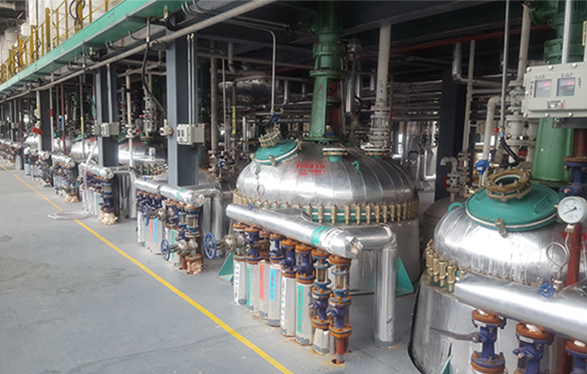
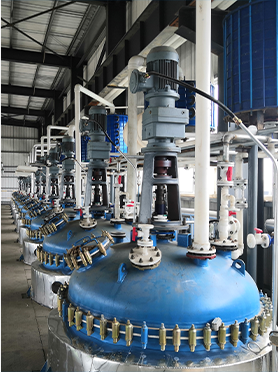
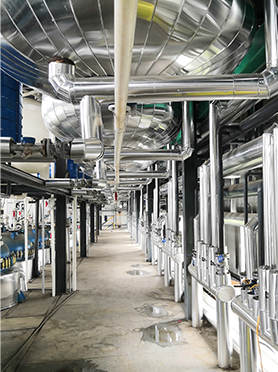
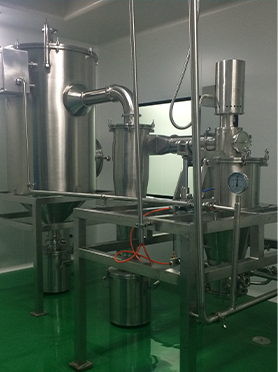
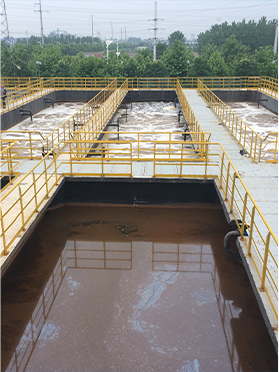
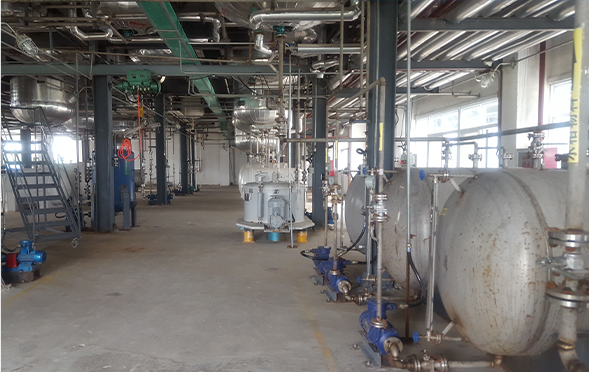
Manufacturing Facilities
Professional Export Experience
to Global Customers
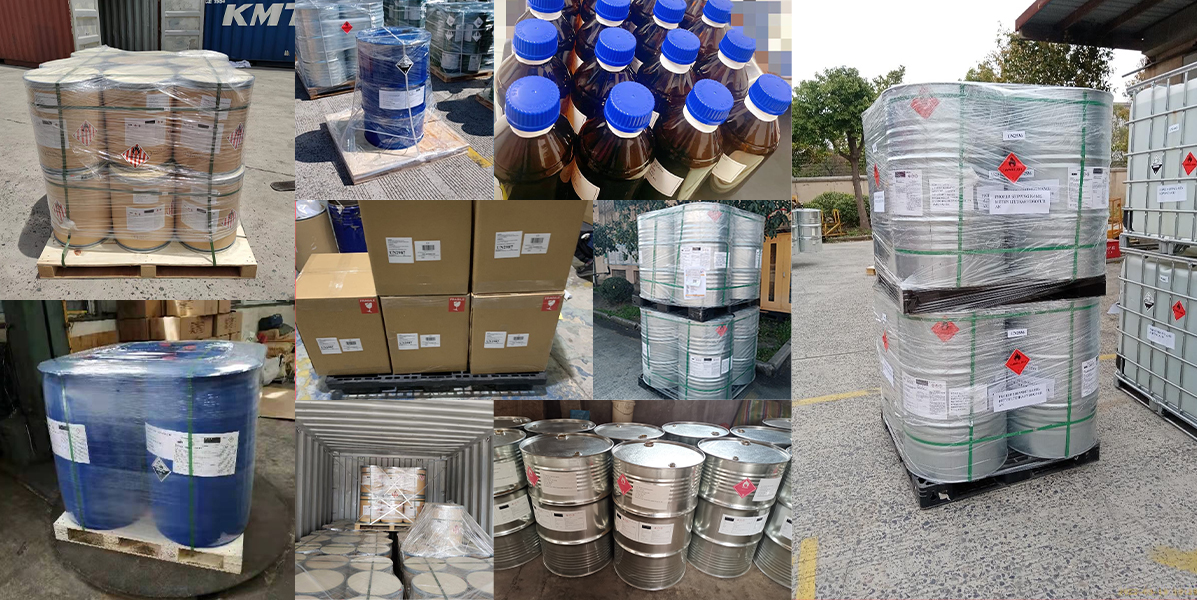
1. 20 years of R&D, manufacturing and sales experience, serving customers in 60 countries and regions around the world;
2. Own R&D laboratory, pilot platform and large-scale production workshop, which can meet the audit requirements of global customers;
3. We can satisfy customers' perfect transition from small scale lab requirements (gram level) to commercialization requirements (hundred tons level).
A: We don't have Minimum Order Quantity, exact quantity should be provided before quotation for us to calculate the exact cost.
A: We don't provide free samples due to lots of request and expensive international courier's cost, we can deduct the sample charge after commercial order placed.
A: Our payment terms: Small or sample order: T/T IN ADVANCE. Commercial order: First order should be by T/T IN ADVANCE or L/C at sight, and following orders T/T 30~90days is acceptable subject to approval of credit application.