
Custom Manufacturing, Project Outsourcing, your Trusted Partner from China
In the ongoing battle against obesity, pharmacological interventions play a crucial role, and liraglutide has emerged as a significant player. This article explores the efficacy and safety of liraglutide for weight loss, alongside essential patient considerations for its successful use in chronic weight management.
Liraglutide, a GLP-1 receptor agonist, is approved for weight management when used in conjunction with a reduced-calorie diet and increased physical activity. Its effectiveness in this area is primarily attributed to its appetite-suppressing and satiety-inducing properties. Patients often report feeling fuller for longer, which naturally leads to a reduction in overall calorie consumption. The clinical trials demonstrating how liraglutide works for weight loss consistently show statistically significant reductions in body weight compared to placebo groups. Achieving these results, however, is often linked to adherence to the prescribed titration schedule, where the liraglutide dosage for weight loss is carefully escalated to the maximum effective dose.
When discussing the benefits of liraglutide for obesity treatment, it's important to highlight that it is intended for chronic use. Weight loss with liraglutide is typically gradual, and patients are advised to aim for at least a 4% reduction in baseline body weight after 16 weeks of treatment. If this target is not met, the medication may be discontinued, as it may not be effective for that individual. This highlights the personalized nature of weight management strategies.
The safety profile of liraglutide for weight loss is generally well-characterized, with gastrointestinal side effects like nausea, vomiting, and diarrhea being the most common, especially during dose escalation. Careful patient selection and counseling are important to manage these expectations. Understanding liraglutide side effects and precautions is critical. Patients should be informed about the potential, albeit rare, serious risks such as pancreatitis and thyroid C-cell tumors, and be educated on the symptoms to watch for. Regular medical monitoring is an integral part of the treatment protocol.
For individuals considering liraglutide, it's crucial to understand its role within a broader health framework. While discussing how liraglutide compares to other GLP-1 agonists, it's noted that individual responses can vary, and medical professionals will guide the best choice. The question of is liraglutide safe for children with type 2 diabetes and weight management is also relevant, with approvals for adolescent use under specific conditions. Ultimately, the successful use of liraglutide for weight loss relies on a combination of the medication's pharmacological action, patient adherence, and ongoing medical support, making the discussion of drug interactions with liraglutide a continuous part of the patient's care plan.
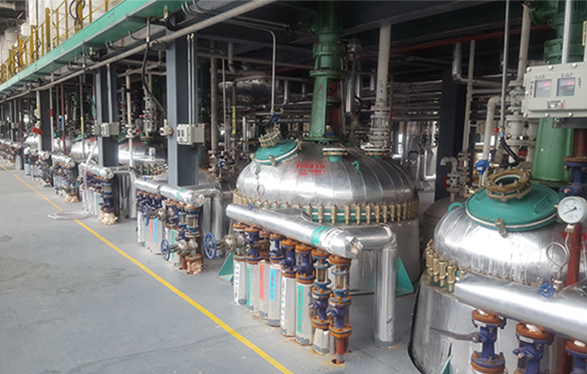
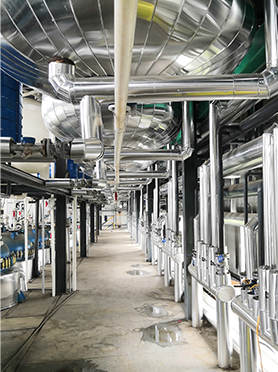
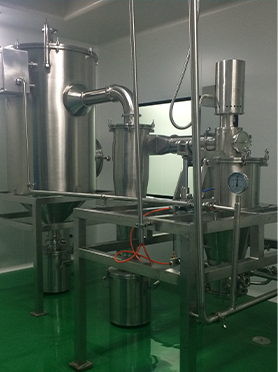
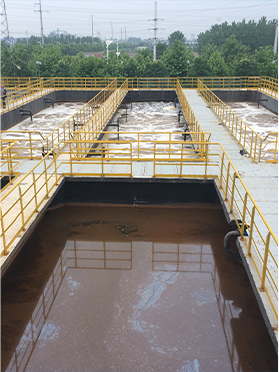
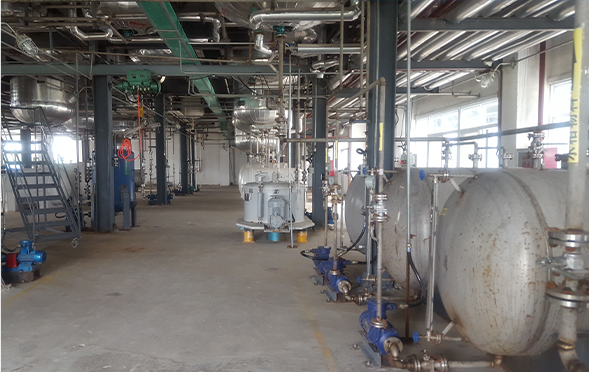
Manufacturing Facilities

Professional Export Experience
to Global Customers
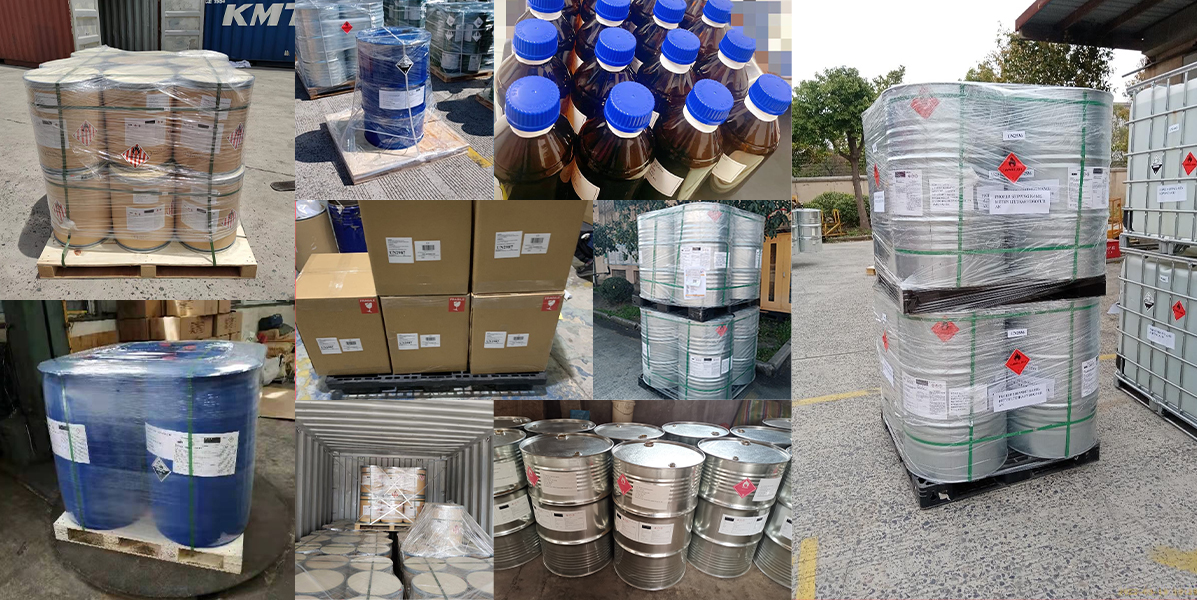
1. 20 years of R&D, manufacturing and sales experience, serving customers in 60 countries and regions around the world;
2. Own R&D laboratory, pilot platform and large-scale production workshop, which can meet the audit requirements of global customers;
3. We can satisfy customers' perfect transition from small scale lab requirements (gram level) to commercialization requirements (hundred tons level).
A: We don't have Minimum Order Quantity, exact quantity should be provided before quotation for us to calculate the exact cost.
A: We don't provide free samples due to lots of request and expensive international courier's cost, we can deduct the sample charge after commercial order placed.
A: Our payment terms: Small or sample order: T/T IN ADVANCE. Commercial order: First order should be by T/T IN ADVANCE or L/C at sight, and following orders T/T 30~90days is acceptable subject to approval of credit application.