
Custom Manufacturing, Project Outsourcing, your Trusted Partner from China
The choice of anticoagulant in blood collection tubes is a critical decision that can significantly impact the accuracy of laboratory test results. Two commonly used anticoagulants are Lithium Heparin and Sodium Heparin. While both prevent blood clotting, their applications and suitability for specific tests differ. Understanding these differences is key for any laboratory professional or procurement manager looking to buy the right reagents.
The Science Behind Heparin Salts
Heparin itself is a potent anticoagulant. When formulated into salts for blood collection tubes, it's typically paired with either lithium or sodium ions. The fundamental difference lies in how these salts interact with specific analytes during testing. As a leading supplier of these critical components, we aim to clarify these distinctions.
Lithium Heparin: The Go-To for Electrolytes and Chemistry
Lithium Heparin is widely recognized for its minimal interference with electrolyte measurements. When testing for ions like sodium, potassium, and chloride, Lithium Heparin provides superior accuracy. This is because sodium itself is an electrolyte; using sodium heparin could artificially elevate the measured sodium levels in a patient's blood. Therefore, for comprehensive metabolic panels (CMPs) and electrolyte testing, Lithium Heparin tubes are the preferred choice. Moreover, its compatibility with tests like arterial blood gases (ABGs) and many general chemistry assays makes it a versatile option for diagnostic laboratories. If your focus is on purchasing reliable anticoagulants for these applications, inquire about our Lithium Heparin offerings.
Sodium Heparin: Specific Applications in Diagnostics
Sodium Heparin, while effective as an anticoagulant, has specific applications where it is preferred over its lithium counterpart. It is often used in tests related to immunology, cytogenetics, and flow cytometry. In these fields, the absence of lithium ions might be critical for the specific assay methodologies. While it's a reliable anticoagulant, its use in electrolyte testing, particularly for sodium, is cautioned against.
Making the Right Choice: A Procurement Perspective
For procurement managers and lab scientists, the decision hinges on the intended use. If the primary need is for general chemistry, electrolyte analysis, or ABGs, sourcing high-purity Lithium Heparin from a trusted manufacturer is advisable. If the tests lean towards immunology or specialized molecular diagnostics, Sodium Heparin might be the appropriate choice. As a comprehensive supplier, we offer both, ensuring you can buy the right product for your laboratory's unique requirements. Explore our range of heparin products and discover how our competitive pricing and consistent quality can benefit your operations.
Ultimately, selecting the correct heparinized tube is a crucial step in ensuring the validity of diagnostic results. Consulting with experienced suppliers can provide valuable insights into which anticoagulant best suits your specific testing needs.
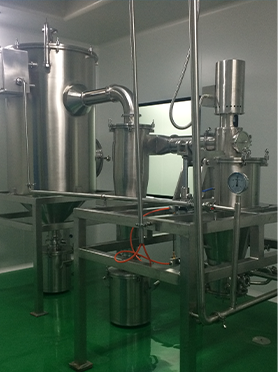
Manufacturing Facilities





Professional Export Experience
to Global Customers
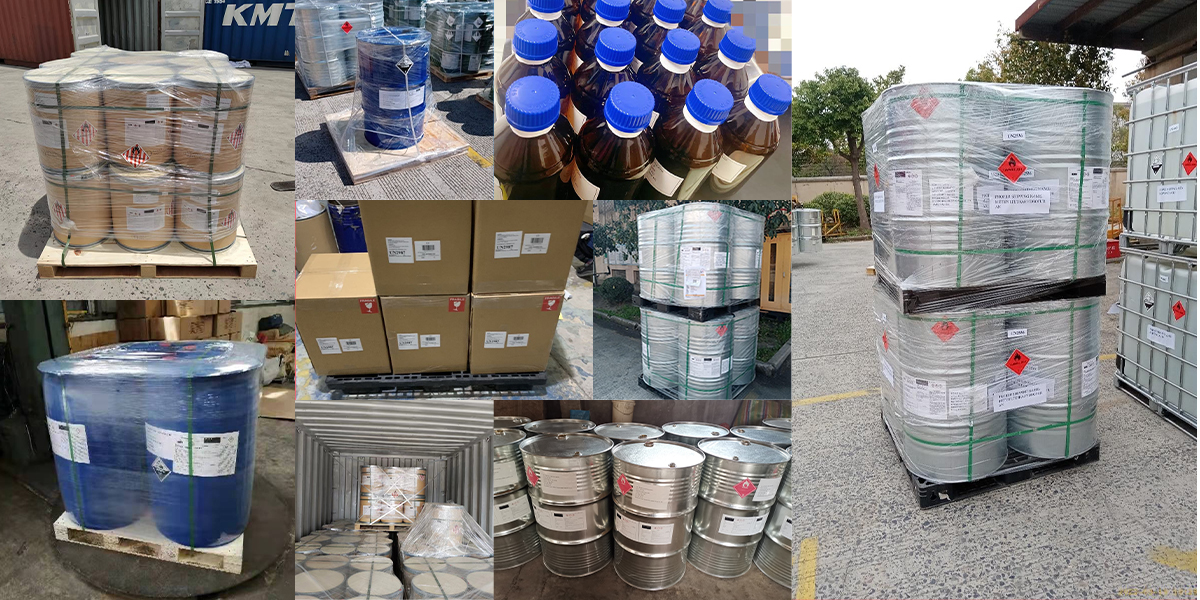
1. 20 years of R&D, manufacturing and sales experience, serving customers in 60 countries and regions around the world;
2. Own R&D laboratory, pilot platform and large-scale production workshop, which can meet the audit requirements of global customers;
3. We can satisfy customers' perfect transition from small scale lab requirements (gram level) to commercialization requirements (hundred tons level).
A: We don't have Minimum Order Quantity, exact quantity should be provided before quotation for us to calculate the exact cost.
A: We don't provide free samples due to lots of request and expensive international courier's cost, we can deduct the sample charge after commercial order placed.
A: Our payment terms: Small or sample order: T/T IN ADVANCE. Commercial order: First order should be by T/T IN ADVANCE or L/C at sight, and following orders T/T 30~90days is acceptable subject to approval of credit application.