
Custom Manufacturing, Project Outsourcing, your Trusted Partner from China
The environmental burden of synthetic dyes, such as Reactive Orange 14, in industrial wastewater is a pressing concern. While effective, traditional removal methods like activated carbon can be costly. This has spurred significant research into utilizing low-cost, readily available materials, particularly agricultural waste, as adsorbents. These materials, when properly processed, can offer a sustainable and economical solution for removing dyes like Basic Orange 14 from aqueous solutions.
Agricultural waste products, such as peanut shells, rice husks, and fruit peels, are abundant and often disposed of through burning or landfilling. Transforming these materials into effective adsorbents involves processes that increase their surface area, porosity, and the presence of functional groups that can bind with dye molecules. For instance, the modification of peanut shells, a common agricultural byproduct, has shown remarkable success in adsorbing reactive dyes. Through carbonization and activation processes, these shells develop a porous structure and a significant surface area, providing ample sites for dye molecules to attach.
The mechanism by which these natural adsorbents remove Reactive Orange 14 is typically multifaceted, involving a combination of electrostatic interactions, hydrogen bonding, and potentially n-π stacking. Reactive Orange 14, being an anionic dye due to its sulfonic acid groups, is effectively attracted to positively charged surfaces. At acidic pH levels, many biomass-derived adsorbents, such as modified peanut shells or chitosan-based materials, exhibit positive surface charges. This electrostatic attraction plays a dominant role in the initial uptake of the dye. Hydrogen bonding can occur between the functional groups on the adsorbent (e.g., hydroxyl, carboxyl, amino groups) and the dye molecule, further strengthening the adsorption process.
Optimizing the adsorption process is crucial for maximizing efficiency. Key parameters include the pH of the solution, the adsorbent dosage, the contact time, and the initial concentration of the dye. Studies consistently show that acidic pH values (often pH 2-4) are optimal for the adsorption of anionic dyes like Basic Orange 14 onto biomass-based adsorbents, as this maximizes the positive surface charge of the adsorbent and the dye's anionic character. The adsorbent dosage needs to be sufficient to ensure all active sites are available, while contact time is essential to reach adsorption equilibrium, typically achieved within 90-120 minutes for many such systems. Increasing the initial dye concentration generally increases the adsorption capacity, as it provides a higher driving force, though the percentage removal may decrease at very high concentrations due to site saturation.
The widespread availability and low cost of agricultural waste make these materials highly attractive for developing sustainable water treatment solutions. By converting waste streams into valuable adsorbents, we can not only effectively remove pollutants like Reactive Orange 14 but also contribute to waste reduction and a circular economy. Continued research into novel modification techniques and characterization of these bio-adsorbents promises to unlock their full potential in addressing the challenges of industrial dye pollution.
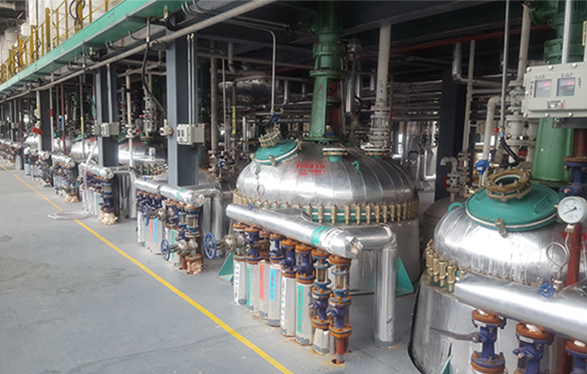
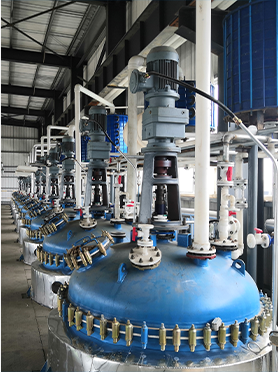
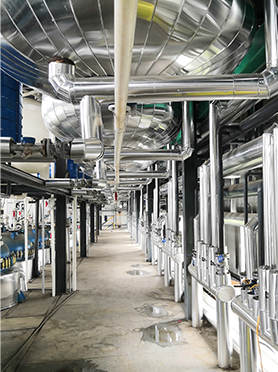
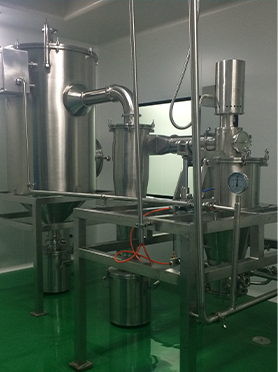
Manufacturing Facilities
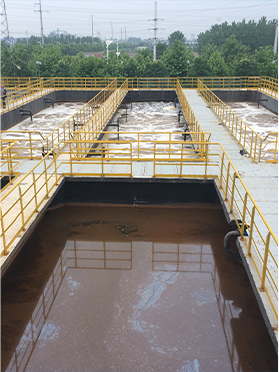
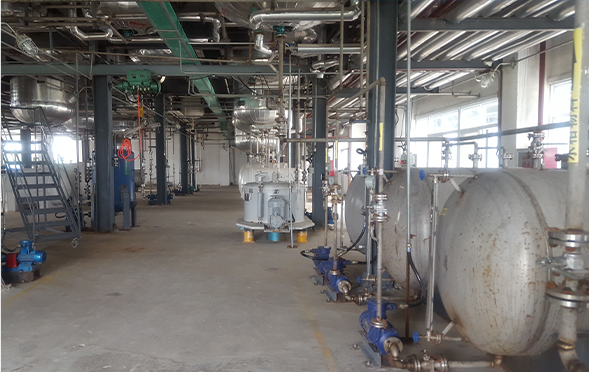
Professional Export Experience
to Global Customers
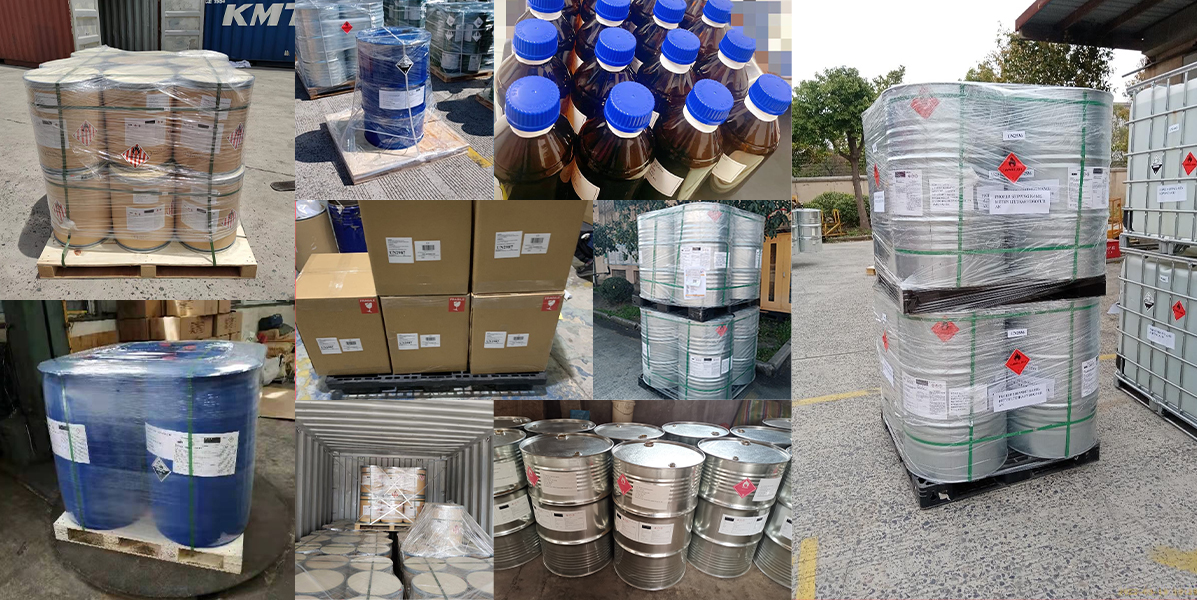
1. 20 years of R&D, manufacturing and sales experience, serving customers in 60 countries and regions around the world;
2. Own R&D laboratory, pilot platform and large-scale production workshop, which can meet the audit requirements of global customers;
3. We can satisfy customers' perfect transition from small scale lab requirements (gram level) to commercialization requirements (hundred tons level).
A: We don't have Minimum Order Quantity, exact quantity should be provided before quotation for us to calculate the exact cost.
A: We don't provide free samples due to lots of request and expensive international courier's cost, we can deduct the sample charge after commercial order placed.
A: Our payment terms: Small or sample order: T/T IN ADVANCE. Commercial order: First order should be by T/T IN ADVANCE or L/C at sight, and following orders T/T 30~90days is acceptable subject to approval of credit application.